-

How to manage cotton during the boll-opening stage? These key points you need to master
Key management points for cotton during the boll-opening stage
-
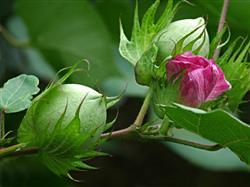
Do not relax pest and disease control during the cotton flowering and boll stage
In recent years, the proportion of Bt transgenic insect-resistant cotton planted has accounted for more than 95% of the total cotton planting area in our province. The promotion of insect-resistant cotton has played a strong role in controlling the occurrence and damage of cotton bollworm in cotton fields, but some pests and diseases should be strengthened in control. Judging from this year's situation, the cotton boll stage is a period when multiple pests and diseases occur and cause damage in an interwoven manner, mainly including...
-
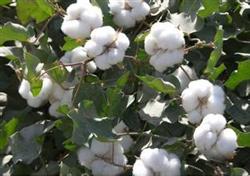
What are the key measures for managing cotton during the boll-opening stage?
The appearance of high-yielding cotton during the boll-opening stage is early maturity without premature senescence, which requires the lower part of the cotton plant to have open bolls, the upper part to continue flowering, and very few late buds. In robustly growing cotton, the top fruiting branches extend horizontally, with fruiting branches 20-30 cm long and 3-4 large buds. If the top fruiting branches extend upward too long, with clusters of superfluous buds and flowers that stop too late, this indicates excessive vegetative growth and late maturity due to greedy green...
-
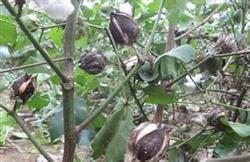
What are the control methods for cotton boll rot?
1. Clear the ditches. Before and after rain, promptly clean the drainage ditches in the cotton field. The ditches must be unobstructed to ensure there is no standing water in the cotton field when it rains and no blockage in the ditches, so that surface water can be drained quickly after rain and the groundwater level in the cotton field can be effectively lowered. 2. Prune branches and remove leaves. Pruning branches and removing leaves in the late growth stage of cotton can not only reduce nutrient consumption and save nutrients...
-
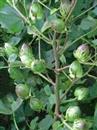
How to fertilize cotton effectively during the flowering and boll-setting stage
Cotton farmers should earnestly strengthen the management of cotton fields after rain, prevent premature aging, prevent boll rot, and control pests and diseases, so as to promote normal boll-opening growth of cotton. Focus on the following measures: 1. Drain waterlogged fields early to prevent lodging. August and September are the cotton boll-opening period. In view of the rainy climate this year, for cotton fields with standing water, after rain...
-
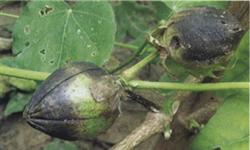
What are the control methods for cotton boll rot?
1. Poor light is suitable for the rapid infection and spread of pathogens, and the disease is often severe, with cotton boll rot also being relatively serious. Types of cotton boll diseases: cotton boll rot is caused by infection and damage to cotton bolls by multiple pathogens. In cotton-growing areas of our province in years with abundant summer and autumn rain, cotton fields have relatively high humidity, heavier closure, and ventilation and light penetration account for 28.3% of boll diseases. In our province, the number of rainy days and rainfall in late August...
-
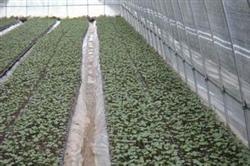
What are the control methods for boll shedding in cotton?
The reasons for the high or low emergence rate of cotton are, generally speaking, manifold: they include the effect of the weather during the previous year's cotton harvest season on the maturity of the cotton, as well as whether the cotton seedling-raising techniques were properly matched. As for the climatic conditions of the previous year, the weather during the cotton harvesting period was, on the whole, fairly good, which was favorable for the maturation of cotton seeds...
-
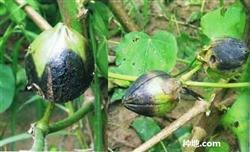
What to Do About Cotton Boll Rot? A Detailed Guide to Prevention and Control Methods
What to Do About Cotton Boll Rot? What Methods Can Prevent and Control It? In mid to late August, when cotton enters the boll-opening stage, boll rot and rotten bolls often occur. In ordinary fields, the rate of rotten bolls and rotten bolls reaches 10%-15%, and in severely affected fields it reaches over 30%, often causing reduced cotton yield and lower quality. For this reason, there are the following five measures to prevent and control cotton boll rot and rotten bolls:...
-
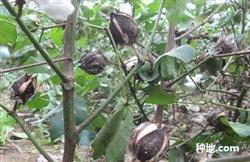
What causes cotton boll rot?
Why do cotton bolls rot? How should they be prevented and controlled? Every autumn harvest season, cotton boll rot becomes a major headache for cotton farmers. What should be done? Based on years of experience, the author proposes "five measures" that fellow cotton farmers might try. First, timely pest control. Cotton boll rot is mostly caused by pathogens entering through insect holes on the bolls...
-

Detailed Explanation of Cotton Square and Boll Stage Management Techniques
Cotton Square and Boll Stage Management Techniques
条件筛选