What causes cotton boll rot?
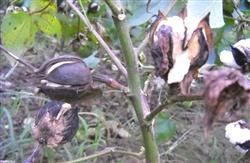
What causes cotton boll rot? Please give an introduction. Cotton boll rot is mainly caused by frequent rainfall accompanied by high temperatures and high humidity, which makes cotton boll rot rise sharply. According to a survey on August 25, in the hilly cotton areas, the average number of rotten bolls per plant was 1-1.5, and in the plain lakeside cotton areas, the average number of rotten bolls per plant was about 2. The first batch of...
What causes cotton boll rot? Please give an introduction
Cotton boll rot is mainly caused by frequent rainfall accompanied by high temperatures and high humidity, which makes cotton boll rot rise sharply. According to a survey on August 25, in the hilly cotton areas, the average number of rotten bolls per plant was 1-1.5, and in the plain lakeside cotton areas, the average number of rotten bolls per plant was about 2. The first batch of cotton picked by some farmers was basically rotten bolls. Judging from survey data from various places, the degree of boll rot varies greatly.
For example, early-maturing varieties and varieties with low fruiting branch node positions have more rotten bolls; cotton sown too early and with less transplanted cotton has more rotten bolls; cotton with excessive nitrogen fertilizer application and shaded cotton fields has more rotten bolls; cotton with excessively high planting density has more rotten bolls; cotton in too low terrain with poor drainage has more rotten bolls; cotton with inadequate pest and disease control has more rotten bolls. According to field dissection, 62.7% of rotten bolls had pest or disease invasion. The above analysis shows that preventing rotten bolls is feasible according to regular patterns.
Therefore, in guiding cotton production, the strategy for preventing rotten bolls should be to avoid autumn rain and boring pests through variety selection, improve the growth environment through improved methods, reduce pest and disease invasion pathways through chemical control, and seek advantages and avoid disadvantages through comprehensive supporting measures.
First, suitable varieties should be selected. Hilly cotton areas should choose early-maturing or early-to-mid-maturing cotton varieties. Plain cotton areas should choose cotton varieties that are mid-maturing or early-to-mid-maturing with higher fruiting branch node positions. Among the selected varieties, the use of insect-resistant and disease-resistant cotton seeds is encouraged.
Second, adjust cultivation techniques. ① The sowing and transplanting period should not be too early; sowing in early to mid-April and transplanting in early May are appropriate; ② Promote wide-narrow row planting, expand row spacing, and reduce planting density, especially for hybrid cotton, which only needs 1500-2000 plants per mu; ③ Remove early buds from the lower 1-2 layers of fruiting branches to promote more mid-season summer bolls and early autumn bolls; ④ Apply scientific chemical regulation to create a plant shape that facilitates ventilation and light penetration; ⑤ Thoroughly prune empty branches, old leaves, and ineffective flower buds in the later period. Third, focus on disaster resistance and good pest and disease control. ① Deepen ditches and raise fields to lower the groundwater level and prevent waterlogging; ② Prevent the third and fourth generations of cotton bollworm and early boll diseases; ③ Harvest endangered bolls promptly and strive to obtain good bolls from rotten ones.
Click to get more cotton planting techniques
Click to get more grain crop planting techniques