What is the best time to apply boll fertilizer to cotton?
When is the best time to apply boll fertilizer to cotton? Here is an introduction. With boll fertilizer applied to cotton, there is no need to fear excessive vegetative growth. Some farmers worry that after applying boll fertilizer, cotton will undergo "secondary growth," staying green and late-maturing. In fact, this concern is unnecessary. First, because after cotton sets bolls in concentrated fashion, the direction of nutrient transport shifts from the main stem growing point to the fruiting branches that have set bolls; the bolls have the capacity to receive nutrients and will not cause "secondary growth." Second, the flowering and boll-setting stage is the second peak of carbon content in the cotton plant, while nitrogen content declines, soluble sugars increase, the carbon-to-nitrogen ratio is at its highest, and nutrient demand is greatest. The only fear is starving the plants, not excessive growth. Third, the middle and upper parts of the cotton plant have good ventilation and light penetration, and the boll-setting rate there can reach over 50%, more than 10 percentage points higher than the boll-setting rate in the lower part. With sufficient fertilizer, cotton can remain steady without decline.
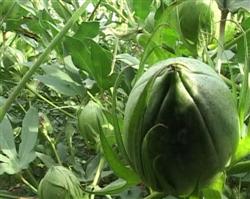
When is the best time to apply boll fertilizer to cotton? Here is an introduction
With boll fertilizer applied to cotton, there is no need to fear excessive vegetative growth. Some farmers worry that after applying boll fertilizer, cotton will undergo "secondary growth," staying green and late-maturing. In fact, this concern is unnecessary. First, because after cotton sets bolls in concentrated fashion, the direction of nutrient transport shifts from the main stem growing point to the fruiting branches that have set bolls; the bolls have the capacity to receive nutrients and will not cause "secondary growth." Second, the flowering and boll-setting stage is the second peak of carbon content in the cotton plant, while nitrogen content declines, soluble sugars increase, the carbon-to-nitrogen ratio is at its highest, and nutrient demand is greatest. The only fear is starving the plants, not excessive growth. Third, the middle and upper parts of the cotton plant have good ventilation and light penetration, and the boll-setting rate there can reach over 50%, more than 10 percentage points higher than the boll-setting rate in the lower part. With sufficient fertilizer, cotton can remain steady without decline.
Pay attention to improving boll fertilizer application techniques. First, change from supplementary application of boll fertilizer to general application of boll fertilizer, updating the concept of boll fertilizer application. Second, change from light application of boll fertilizer before the Start of Autumn to increasing the amount of boll fertilizer around the Start of Autumn, generally applying 15 kg of urea per mu. Adjust according to the seedlings and flexibly control the fertilization time. Third, change from broadcast application to hole application, and change from dry application to application while capturing soil moisture. In drought, irrigate promptly to regulate fertilizer with water. Fourth, if rain occurs after fertilization, depending on the seedling condition, for overly vigorous cotton seedlings, spray the retarding-type plant growth regulator mepiquat chloride or chlormequat, 4-5 grams or 16-20 milliliters per mu, diluted in 40-50 kg of water. For those without a tendency toward excessive growth, spraying is not needed.
Click to get more cotton cultivation techniques
Click to get more grain crop cultivation techniques