-
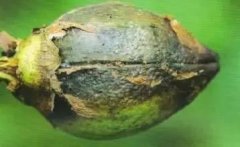
Common diseases of cotton bolls and control methods for cotton boll blackening
Do you know what diseases can occur during cotton cultivation? Below we introduce the most common cotton boll blackening disease. Do you know this disease? What do the symptoms of this disease look like on cotton? What are the control methods? Let's take a look together.
-

What are the key management techniques for cotton during the flowering and boll stage?
Cotton enters the flowering stage in early July, and the period from late August to early September when bolls open is the flowering and boll stage. The flowering and boll stage is the period of most vigorous cotton growth and development, and also the key period that determines yield. This year, due to higher temperatures, cotton growth and development has generally been faster, which
-
How can the boll-setting rate be increased in cotton cultivation?
Types of square and boll shedding in cotton include physiological shedding, shedding caused by pests and diseases, and shedding caused by mechanical damage. As for the causes of physiological shedding: first, excessive application of fertilizer and water causes excessive vegetative growth, with nutrients consumed too heavily in the early stage and supply falling short of demand in the later stage; second, excessive planting density in the cotton field causes severe shading by branches and leaves, reducing light, weakening photosynthesis, and decreasing the nutrients produced; third, some cotton fields are deficient in boron, causing cotton to flower but not set fruit; fourth, high temperature and drought, insufficient fertilizer and water, or excessively high temperatures cause cotton pollen sterility; fifth, frequent rainy weather leads to poor pollination. As for pest and disease damage, inadequate control of cotton mirids, cotton bollworms, Fusarium wilt and Verticillium wilt can easily lead to massive square and boll shedding. As for mechanical damage, it is mainly caused by improper operation during field management. In addition, in the past two years, blind application of herbicides has occasionally caused square and boll shedding.
-
Control methods for the third-generation cotton bollworm in cotton
1. Manual egg collection and pest elimination. Since most third-generation cotton bollworms are found in the flowers and bolls of insect-resistant cotton, for insect-resistant cotton fields, withered flowers should be removed promptly and pests eliminated manually. For other cotton fields, manual egg collection and pest elimination can be carried out along with pruning and removal of side branches, and the remaining branches and withered leaves should be taken out of the field
-
Four key techniques to grasp in the management of cotton during the boll-opening stage
Grasp the "four key techniques" in cotton management during the boll-opening stage (skillfully manage fertilizer and water, skillfully prune, skillfully pick rotten bolls, skillfully promote ripening). 1. Skillfully manage fertilizer and water to promote nutrient transport. First, foliar topdressing. For cotton fields where leaves lose green too early and show premature aging due to nutrient deficiency, spray 50-60 kg per mu of 1%-2% urea solution onto the leaves to extend the functional period of the leaves. For cotton fields that grow too vigorously and show late maturity with excessive vegetative growth, foliar spray 0.2% potassium dihydrogen phosphate solution or 0.3% superphosphate soaking liquid to promote nutrient transport and help improve boll opening. Second, prevent autumn drought.
-
How to Grow Cotton to Prevent Square and Boll Shedding
(1) General patterns of square and boll shedding. ① Ratio of square and boll shedding: In square and boll shedding, the overall trend in the ratio of square shedding to boll shedding is that the boll shedding rate is higher than the square shedding rate, with a ratio of about 3:2. ② Age of squares and bolls at shedding: After squaring, shedding is greatest at 11-20 days, while shedding of large squares over 20 days old is less. Young bolls 3-8 days after flowering are most prone to shedding, with 3-5 days being the most common, while young bolls over 10 days old rarely shed.
-
Watch out for and control cotton boll rot in hot and humid weather
Currently cotton is at the flowering and boll stage and will soon enter the boll-opening stage. This is the vigorous period of cotton reproductive growth, the critical period for the growth of midsummer bolls and yield formation, and also the critical period for controlling boll rot. This year, rainfall from late July to early August was abnormally higher than usual, so
-
What are the causes of cotton square and boll shedding?
1. Physiological shedding. Physiological shedding accounts for about 60-70% of total square and boll shedding, mainly caused by improper management and damage from pests and diseases, which leads to nutrient imbalance in the plant and insufficient nutrients for squares and bolls. There are mainly the following three aspects: 1. Poor root development, insufficient absorption of water
-
When is the cotton flowering and boll stage? How should water and fertilizer management be controlled? How should fertilizer be applied?
After cotton topping, it enters the flowering and boll stage. This period is the key period for cotton yield formation and also the peak period of water and fertilizer demand. During this period, field management of cotton is crucial. So when is the cotton flowering and boll stage? How should water and fertilizer management be controlled? Cotton flowering and boll
-
How many generations of the boring pest cotton bollworm occur in a year, and how should insecticides be used for its control?
The cotton bollworm, of the order Lepidoptera and family Noctuidae, is widely distributed in China and around the world, and occurs in both cotton-growing and vegetable-growing regions of China. The cotton bollworm is an important boring pest during the cotton bud and boll stage, mainly boring into and feeding on buds, flowers and bolls, and also feeding on tender leaves. So how many generations of the cotton bollworm occur
条件筛选