What to Do When Areca Palm Leaves Turn Yellow? Eight Simple Methods to Bring the Leaves Back to Green
Yellowing leaves on an areca palm is a very frustrating thing, as it not only affects its appearance but also threatens its health. So when we encounter yellowing areca palm leaves, what should we do? Understanding several common causes and their solutions becomes very important.
What to Do When Areca Palm Leaves Turn Yellow
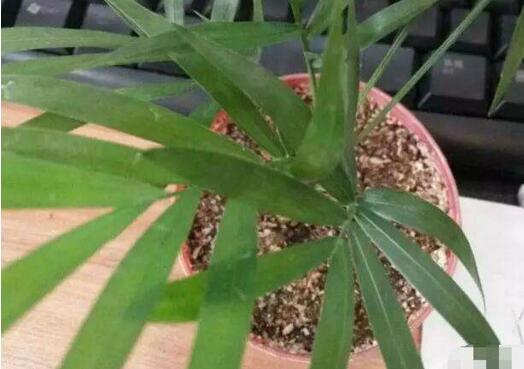
After looking into it, the editor found that there are eight main reasons that can cause leaves to turn yellow: soil alkalinity being too high, improper repotting, too much or too little watering, temperatures being too low, direct sun exposure, pests and diseases, and a stuffy, hot environment, among others. Therefore, to know what to do when areca palm leaves turn yellow, you need to address these aspects.
1. Soil alkalinity is too high
Areca palms prefer slightly acidic soil. If the alkalinity becomes too high, it will affect the growth and development of its roots, which in turn affects nutrient absorption, ultimately causing some leaves to turn yellow.
Solution: When choosing soil, sandy, slightly acidic soil is best. If you usually water mainly with alkaline tap water, you can let the tap water sit for three days first, filtering out some of the chlorine before watering, which can prevent the soil alkalinity from becoming too high.
2. Improper repotting
Repotting involves removing the plant from its pot and putting it into a new one. During this process, extra care must be taken to protect the roots. If the roots are damaged, yellowing leaves may appear after repotting.
Solution: If yellowing areca palm leaves are caused by improper repotting, what should you do? You can help it return to healthy growth as quickly as possible through proper care afterward. Of course, before that you should learn how to repot an areca palm, which can help avoid this problem.
3. Too little watering
Although areca palm seedlings grow relatively slowly, if you water too little or only water once every 10-plus days, yellowing leaves may occur.
Solution: Learn how to water an areca palm and care for it according to the correct watering method. Do not wait until the leaves turn yellow and the soil becomes compacted before watering.
4. Too much watering
Some people do it to be lazy, while others worry that the areca palm is not getting enough water, so overwatering often occurs, which results in yellowing leaves. The reason is that too much water causes waterlogging in the pot, and roots soaked in water for a long time will rot, affecting normal respiration and absorption.
Solution: Drain the standing water in the pot as soon as possible, and check whether the soil has become compacted. Loosen the soil in time to ensure air permeability and drainage, following the principle that the water applied should be able to flow out through the drainage holes at the bottom.
5. Temperature is too low
Areca palm growth stalls at 10 degrees and it may freeze to death at 5 degrees. When the temperature is too low, the absorption function of the roots basically stalls as well, so some branches and leaves that were already not healthy may wither and turn yellow.
Solution: The minimum temperature for overwintering needs to be above 10°C. If you are in the north, generally the areca palm should be moved indoors in early October; in the south, you need to pay attention to temperature control, and keeping it warm in a timely manner is very important.
6. Direct sun exposure
Areca palms quite like sunlight, but in summer, if you let them bake in the sun, then even the healthiest plant may have its leaves scorched yellow.
Solution: From May to September each year, if the areca palm is outdoors, you should provide shade for it to avoid direct sunlight hitting the leaves, which can effectively prevent yellowing caused by overly strong light.
7. Caused by pests and diseases
Plants, like people, can get sick. In addition, they may also encounter pest problems. When pests and diseases appear on an areca palm, its leaves may not only turn yellow, but also become scorched, blackened, and drop off.
Solution: The key to pests and diseases lies in prevention. Usually pay attention to environmental hygiene and to fertilizing, which can improve the areca palm's resistance to disease. When pests and diseases appear, control them promptly.
8. Stuffy, hot environment
As a tropical plant, the areca palm quite likes warm, humid environments. But if the environment is too stuffy and hot, such as when ventilation is poor and the temperature is also very high, it may become uncomfortable, and yellowing leaves will follow.
Solution: Maintain ventilation in the environment, which can effectively prevent it from becoming too stuffy and hot. At the same time, pay attention to the ambient temperature, and do not place the areca palm near a heat source.
How to Grow and Care for Guanyin Bamboo and Points to Note
Guanyin bambooWhat are the cultivation methods and points to note? Guanyin bamboo generally refers to fernleaf hedge bamboo. Guanyin bamboo is native to southern China. It likes warm, humid and semi-shaded environments, has somewhat poor cold tolerance, cannot tolerate strong light exposure, and fears waterlogging. It is suited to fertile, loose, well-drained loam, and the winter temperature should not be below 0°C. Guanyin bamboo has dense clumps, short bamboo culms, and graceful branches and leaves. It can absorb formaldehyde and purify the air. It is often used for potted ornamental display, embellishing small courtyards and rooms, and is also often used to make bonsai or as low hedge material. It is cultivated throughout areas south of the Yangtze River in China, as well as in Japan and India. Let's take a look at the specific introduction below.
I. Introduction to Guanyin Bamboo
Guanyin bamboo is a perennial woody plant of the genus Guanyin bamboo in the bamboo subfamily of the grass family. The culms grow in dense clumps, short and slender but hollow; the culms are 1-3 m tall and 0.5-1.0 cm in diameter, with leafy branchlets drooping, each branchlet having 9-13 leaves. The leaves are small, linear-lanceolate to lanceolate, 3.3-6.5 cm long and 0.4-0.7 cm wide.
The Guanyin bamboo plant grows in clumps, with fine, delicate leaves that curve and droop, just like a phoenix tail. It is a shrub type.
A clumping bamboo, it is a variation of hedge bamboo. Its plant form is short, and its dense green leaves are graceful and elegant, like a phoenix tail. The branches are slender, and because the upper part of the culm has abundant branches and leaves, the culm is thin and the burden is too heavy, forming a downward droop, like a shy young girl lowering her head, silent and wordless. Guanyin bamboo has slender branches and leaves, and its stems curve slightly downward, resembling a phoenix tail. Its bearing is elegant, and its ornamental value is relatively high. It is suitable for clump planting in courtyards, and can also be used as a bonsai plant; paired with rocks and ornaments, it is very elegant and refined. The branches and culms are dense, slender, and curved downward. The leaves are small, about 3 cm long, often arranged 20 to a branch on both sides, resembling a feather shape.
A small clumping bamboo, with culms whose diameter is between that of a toothpick and chopsticks. The leaf color is dense and forms a ball shape. It is coarse-growing and easy to grow, and can produce up to 100 culms per year. Because this bamboo is full of spiritual energy, it is named "Guanyin" bamboo. As the saying goes, a mountain is sacred when it has water, and a temple with a Guanyin bamboo ball beside it has an immortal air.
II. How to Grow Guanyin Bamboo
① For potted Guanyin bamboo, in summer it should be moved to a cool, shaded place outdoors, and attention should be paid to watering more, keeping the potting soil moist and humid. You should also spray the leaves and sprinkle water on the ground to maintain humid air, which can keep the Guanyin bamboo branches and leaves emerald green. Dry, hot summer wind will cause the Guanyin bamboo leaves to scorch and wither, so the temperature must be lowered appropriately to avoid oppressive heat. In cold winter it needs to be placed indoors, with nutrients controlled and fertilizing stopped. The indoor temperature needs to be maintained above 10°C.
② During the growing period, liquid fertilizer needs to be applied once about every 20 days. The liquid fertilizer can be decomposed, low-density soybean cake water, or a compound liquid fertilizer. Fertilizing should be stopped in cold winter.
③ Guanyin bamboo does not need repotting every year. Usually repot once every 2 years. The growing medium for potted plants is made by mixing 1 part leaf mold, 0.5 part garden soil, and a small amount of river sand and rice hull ash, etc.
④ Guanyin bamboo can be propagated by division or by seed. Division can be carried out in early spring when repotting. When dividing, take the overly dense clumps out of the pot, cut them apart from the rhizome with a knife, and pot them separately. Be careful not to damage the roots. After division, they should be placed in a cool, shaded place. The first watering should be thorough; afterward, just keep them moist and humid, and do not water too much. Seed propagation is best carried out in April to May, and before sowing the seeds should be soaked in warm water for 1-2 days. About 40 days after sowing, they can sprout. The seedlings grow very slowly, and it takes about half a year before they can be transplanted for cultivation.
III. Points to Note When Growing Guanyin Bamboo
During the growing season, Guanyin bamboo will continuously send out young culms from the root zone. If the overall composition is affected because they are too tall, the overly tall parts can be cut away. Guanyin bamboo bonsai emphasizes posture and charm; its branches and culms must have both upright and drooping forms, be well-spaced and dense in an orderly way, and vary in height. When there are too many stems, there will be a feeling of density and stuffiness, which affects the ornamental effect of the bonsai. The overly dense branches and culms should be thinned according to growth conditions, and special attention should be paid to cutting away weak-growing culms.
What to Do When Hydroponic Guanyin Bamboo Leaves Turn Yellow
Water-yellow: Tender leaves are dull yellow and lusterless, old leaves show no obvious change, branches are thin and yellow-green, and new shoots shrivel and stop growing, indicating overwatering. Take the plant out of the pot, place it in a ventilated, cool place to let the root ball dry by itself, then put it back in the pot.
Drought-yellow: The yellowing from lack of water is different from the yellowing from too much water. The yellowing from lack of water shows as the leaf tips or edges withering and drying, with old leaves turning yellow and dropping from the bottom upward, but new leaves growing relatively normally. Just pay attention to watering thoroughly and deeply.
Scorch-yellow: Strong direct sunlight falling on some shade-loving flowers (such as spider plant and hosta) easily causes the leaf tips and leaf edges to wither, and yellow patches appear on the sunny parts of the leaves. Just move them to a shaded place.
Light-deficiency yellow: Being placed in a shaded environment for a long time means the leaves cannot get enough sunlight and cannot form chlorophyll. The whole plant's leaves turn yellow and then drop. Supplementing light can prevent this problem.
Fertilizer-yellow: Yellowing of flowers caused by too much fertilizer or too high a concentration shows as dry brown tips on new leaves. Generally the leaf surface is thick and lusterless, and uneven and not smooth, while old leaves scorch yellow and drop. Fertilizing should be stopped immediately, and in serious cases a large amount of clean water should be used to flush out part of the fertilizer.
Fertilizer-deficiency yellow: This shows as tender leaves becoming lighter in color, appearing yellow or pale green, while old leaves are relatively normal or gradually turn from green to yellow. Check the potting soil; if there is dry caking, the soil should be changed. Usually apply thin fertilizer frequently and water in some alum water at the right time (Guanyin bamboo is a foliage plant and should be given fertilizer mainly based on nitrogen fertilizer).
Root-cutting yellow: Do not cut off the roots in winter, otherwise it cannot absorb water and the leaves will naturally turn yellow.
The Feng Shui Role of Guanyin Bamboo
For people whose Five Elements lack earth. In feng shui, Guanyin bamboo also belongs to "auspicious things." Planting and placing it on a balcony can ward off evil and keep the home safe. People lacking earth can choose herbaceous plants (the pot should not be too large), and the evergreen Guanyin bamboo, which has "the meaning of reporting peace," can be the first choice.
The work-and-career type. If you do not have a job now, you should find one as soon as possible. If you want to boost your career, you can place four stalks of lucky bamboo (lotus bamboo, Guanyin bamboo, and curly bamboo, these three names are all the same plant, just called differently) in the northeast of your home. Placing them in the northeast to boost career luck and help you find a job quickly can help your career. However, placing lucky bamboo in the northeast is only limited to the second lunar month. When you successfully get a job, you can move the lucky bamboo away, then place a cup of water in the northeast again, with six copper coins and one black stone in the cup. This can achieve the effect of boosting popularity. Of course, while boosting popularity, you should also reach out more to others in your career and work, and contact others more, so that you can get help from certain people.
The Wenchang-boosting type. If you want to boost Wenchang, you should arrange four stalks of Guanyin bamboo in the southwest, planted in a pot with soil. In addition, adding a cup of water can benefit Wenchang. Since ancient times, people have emphasized placing large-leaved evergreen plants in the "prosperous position," and placing cacti and other thorny plants in the "declining position."
Guanyin bamboo is a thick-leaved, large-leaved evergreen plant, so it can achieve the effect of "generating prosperity" and increase the household's wealth. Of course, broad-leaved ficus, areca palm, snake plant, lucky bamboo, and others also have the effect of "generating prosperity." I personally have a special fondness for Guanyin bamboo, not only because it is green and refined, but also because it is a symbol of peace, hence the common saying "bamboo embraces peace." "The Complete Book of Yang Dwellings" also records: "If bamboo and trees around the dwelling are green and lush, wealth luck is good!" Overall, bamboo is indeed a plant suitable for both ornament and feng shui, and if a "bamboo painting" is hung in the prosperous position, that also works. In the "prosperous position," besides hanging a bamboo painting, you can also hang a peony painting. Peony has long been known as the flower of wealth and honor; it is not only brightly colored, but also noble and graceful in shape, so it has always been regarded as a symbol of wealth and honor. Therefore, hanging this flower of wealth and honor in the prosperous direction can be said to make perfection even more perfect!
The Symbolism of Guanyin Bamboo
Guanyin bamboo, also known as lotus bamboo, was only introduced in recent years. It grows coarsely and vigorously, is evergreen all year round, and has upright, elegant stems and a free, easy posture full of bamboo charm. It is a fairly good indoor foliage plant. Because it is named lotus bamboo and Guanyin bamboo, in feng shui it is a plant symbolizing good fortune and blessing peace, and it is also very suitable as an offering decoration on an altar.
The above is what the editor introduces for everyone aboutGuanyin bamboocultivation methods and points to note, hoping it can help you. For more related information about Guanyin bamboo, please continue to follow Tubatu Learning Decoration.
More reading:
Early Bamboo Picture Collection Early Bamboo Pictures to Enjoy and Information Introduction
The Feng Shui Role of Snake Plant
Sample Essay One: The Role of Snake Plant
To understand more about the role of snake plant, take a look!
1. Snake plant's special and strong effect in removing harmful components from the air. Environmental scientists believe that the quality of air does not depend on how much oxygen there is, but rather on the ratio of positive ions to negative ions in the air. For example, everyone is advised to place more green plants indoors to alleviate the harm of positive ions to the human body and promote the regulation of negative ions for human health. Plant scientists, based on comparative investigations of the amount of negative ions produced by various plants, found that placing snake plant indoors is most suitable because the amount of negative ions it produces is more than 30 times that of other plants! It can be called an expert at making "negative ions" and can also effectively absorb carbon dioxide at night and remove harmful gases such as formaldehyde from the air. Compared with negative ions, positive ions in the room are harmful to the human body. Under ordinary circumstances, turbid air and poorly ventilated rooms in cities will produce many positive ions, while waterfalls with intense water movement, streams, springs, and places with vigorous plant photosynthesis and transpiration such as forests will produce many negative ions. In addition, everyone knows that various large appliances release electromagnetic and electromagnetic wave radiation that will produce large amounts of positive ions. Once there are too many positive ions, they will cause harm to the human body. Others, such as cigarette smoke and various new building materials and clothing, also carry positive charges and positive ions, and they will reduce the negative ions in indoor air. These positive ions and negative ions floating around us in pollutants or dust neutralize each other, and the dust is adsorbed and made to settle until the negative ions are completely eliminated.
。
2. Snake plant has ordinary medicinal uses. Snake plant can be pounded and applied externally or taken internally. It mainly treats clearing heat and resolving toxin, removing putrefaction, promoting tissue regeneration, and muscle growth. It treats the common cold, cough, bronchitis, bruises and injuries, carbuncle swelling and toxic sores, and snakebite.
Question: Snake plant also has uses in home beautification. Not to mention that snake plant has no brightly colored flowers and no showy floral posture, but in fact its body has both softness and strength, and its distinctive patterns make it a relatively special one among many plants, and using it for decoration has quite a good effect.
Original address.html
To understand more about the role of snake plant, take a look!1. Snake plant's special and strong effect in removing harmful components from the air. Environmental scientists believe that the quality of air does not depend on how much oxygen there is, but rather on the ratio of positive ions to negative ions in the air. For example, everyone is advised to place more green plants indoors to alleviate the harm of positive ions to the human body and promote the regulation of negative ions for human health. Plant scientists, based on comparative investigations of the amount of negative ions produced by various plants, found that placing snake plant indoors is most suitable because the amount of negative ions it produces is more than 30 times that of other plants! It can be called an expert at making "negative ions" and can also effectively absorb carbon dioxide at night and remove harmful gases such as formaldehyde from the air. Compared with negative ions, positive ions in the room are harmful to the human body. Under ordinary circumstances, turbid air and poorly ventilated rooms in cities will produce many positive ions, while waterfalls with intense water movement, streams, springs, and places with vigorous plant photosynthesis and transpiration such as forests will produce many negative ions. In addition, everyone knows that various large appliances release electromagnetic and electromagnetic wave radiation that will produce large amounts of positive ions. Once there are too many positive ions, they will cause harm to the human body. Others, such as cigarette smoke and various new building materials and clothing, also carry positive charges and positive ions, and they will reduce the negative ions in indoor air. These positive ions and negative ions floating around us in pollutants or dust neutralize each other, and the dust is adsorbed and made to settle until the negative ions are completely eliminated.
。
2. Snake plant has ordinary medicinal uses. Snake plant can be pounded and applied externally or taken internally. It mainly treats clearing heat and resolving toxin, removing putrefaction, promoting tissue regeneration, and muscle growth. It treats the common cold, cough, bronchitis, bruises and injuries, carbuncle swelling and toxic sores, and snakebite.
Question: Snake plant also has uses in home beautification. Not to mention that snake plant has no brightly colored flowers and no showy floral posture, but in fact its body has both softness and strength, and its distinctive patterns make it a relatively special one among many plants, and using it for decoration has quite a good effect.
Sample Essay Two: Feng Shui Uses of Golden Margin Snake Plant
Snake plant is also known as bowstring hemp, brocade sansevieria, and there is a variegated golden-margin snake plant and silver-veined snake plant. Golden margin snake plant is one of the more ornamental of the 60-plus kinds of snake plant. Golden margin snake plant is an ornamental foliage plant that can purify the indoor environment. Snake plant and spider plant can absorb more than 80% of harmful gases indoors, and their ability to absorb formaldehyde is super strong, and they can also be used for feng shui. So what exactly are the feng shui uses of golden margin snake plant? Let's take a look together below.
。
Feng Shui Uses of Golden Margin Snake Plant
Uses
A brief discussion of golden margin snake plant as a feng shui plant
Snake plant likes warm conditions. It needs sufficient sunlight and can also tolerate moderate shade. The suitable temperature is 18 to 27 degrees; below 13 degrees it stops growing. Winter is the dormant period. In well-drained sandy soil and an environment not lower than 0 degrees, it can also survive. But if it is used in a decorative flowerpot with poor drainage, waterlogging must be strictly avoided, lest low temperature and water accumulation cause rot at the base of the plant. It is an evergreen perennial herb. It has many creeping rhizomes. No roots. Stems usually 1-2 leaves or 3-6 leaves in bundles, leathery and hard; linear-lanceolate or narrowly long lanceolate, 30-120 cm long and 2.5-8 cm wide, with a short pointed apex and a green hard tip, gradually narrowing toward the middle and lower parts, with white-green and dark-green alternating horizontal banded patterns on both sides and green edges. Flower stem 30-80 cm high, with brown, pale membranous sheaths at the base; flower clusters have 3-8 flowers, solitary or 2-3 in scattered groups; flowers pale green or greenish white; stalk 6-8 mm long, with a node near the middle; perianth tube 6-12 mm long, 6 linear lobes 1.4-1.8 cm long; 6 stamens; ovary superior, 3 chambers, stigma head-shaped. Berry spherical, about 3 mm in diameter. Flowering in winter. It is widely cultivated. Guangdong, Guangxi.
Golden
What does the margin snake plant look like
1. Golden margin snake plant: Golden margin snake plant is also called yellow-edged snake plant. It is a cultivated variety of snake plant. The leaf edges have fine yellow band-like lines, and the middle has light green with dark green longitudinal stripes. It has higher ornamental value than snake plant.
2. Short-leaved snake plant: Short-leaved snake plant is a cultivated variety of snake plant. The plant is low and does not exceed 20 cm in height. The leaves grow from the center outward in a spiral and overlap each other to form a bird's nest shape. The leaves are short and wide, long-ovate, with a gradually pointed apex and an obvious short tail tip, 10-15 cm long and 12-20 cm wide. The leaves are deep green, with broad yellow bands on both sides of the leaf edges, and the leaf surface has relatively irregular silver-gray streaks. The leaves are clustered and lush.
3. Silver-leaved short snake plant: Silver-leaved short snake plant is also called silver-edged short-leaved snake plant. It is a cultivated variety of snake plant. Both the plant shape and leaf shape are similar to short-leaved snake plant. The leaves are short and silver-white with no obvious horizontal markings.
4. Golden
margin short-leaved snake plant: Golden margin short-leaved snake plant is also called yellow-leaved short snake plant. It is a variety of short-leaved snake plant. Apart from the yellow leaf edges being relatively broad, accounting for about half of the leaf, its other characteristics are similar to short-leaved snake plant. The leaves are short, broad, and arranged in a rosette. The ornamental value is higher.
。
5. Pencil snake plant: Pencil snake plant is a common species in the same genus. The leaves are cylindrical, thick at the top and thin at the bottom, generally with one leaf at the base, and the leaf surface has fine longitudinal grooves. Leaves are 1-1.5 m long, and the leaf cylinder is about 3 cm in diameter. The base of the leaf overlaps left and right, and the leaves are located on one plane and spread out in a fan-bone shape. The form is special and the ornamental value is relatively high.
Feng Shui Uses of Snake Plant -- Wood Formation
Method
If there is a large building in the northeast-to-east direction exerting pressure nearby, and the building is earth in form, then that direction is an inauspicious place, and it is necessary to use the annual wood formation to restrain it, precisely because wood is used to restrain earth.
In the northeast-to-east direction, according to the eight trigrams positions, the direction is Yin (Yin direction is one of the twelve earthly branches, and it is also one of the twelve zodiac earthly branches: Zi, Chou, Yin, Mao, Chen, Si, Wu, Wei, Shen, You, Xu, Hai, a total of twelve spirits). The Yin direction belongs to the wood element, and its corresponding animal is the tiger, so it is most appropriate to use snake plant to arrange the formation. The snake plant has long strip-shaped hard leaves, slightly bluish-green, with golden edges like markings resembling a tiger's tail, which is why it is called snake plant. Snake plant (the spirit of Yin wood) specifically restrains the earth form of the northeast. For recommended reading: Feng Shui Uses of Golden Margin Snake Plant
Sample Essay Three: Effects and Uses of Snake Plant Root
Pinyin name Hǔ Wěi Lán Gēn
Medicinal source basis: It is the root and stem of the agave family plant snake plant.
Latin plant, animal, mineral names: 1. Sansevieria trifasciata; 2. Sansevieria trifasciata var. laurentii (De Wildem.)
Collection
and storage: It can be dug up throughout the year, washed clean, sliced, and used fresh.
Original form. 1. Snake plant is an evergreen perennial herb. It has creeping rhizomes. Leaves 1-6, basal, upright, thick and substantial; leaf blades strip-shaped and oblanceolate to oblanceolate, 30-120 cm long and 2.5-8 cm wide, apex pointed and folded, base gradually narrowing into a narrow groove and leaf stalk, both surfaces with alternating white and dark green horizontal banded patterns. Flower scape together with inflorescence 30-80 cm high; 3-8 flowers in 1-3 bundles, 1-3 clusters, scattered on the inflorescence axis; pedicel 6-8 mm, with a node near the middle; perianth segments 6, white to greenish, 10-12 mm long; perianth tube 6-8 mm long; stamens nearly as long as the flower; perianth protruding from the flower. Flowering period November-December. 2. Golden margin snake plant. Its morphological characteristics are similar to snake plant, except that the leaf edges are golden yellow.
Habitat distribution
Habitat
Ecological environment: 1. Snake plant is cultivated in various parts of China. 2. Golden margin snake plant is cultivated in various parts of China.
Resource distribution: 1. Snake plant is native to western Africa. 2. Golden margin snake plant is cultivated in various parts of China.
Nature and flavor: pungent; cool
Functions and indications: dispel wind and dampness; unblock meridians; promote blood circulation and reduce swelling. Mainly for dampness joint pain; numbness of the limbs; traumatic injuries
Usage
Dosage: external use: appropriate amount of fresh product, pounded and applied.
Excerpt from "
Chinese Herbal Medicine"
Sample Essay Four: The Role of the Chinese Medicine Snake Plant
The role of the Chinese medicine snake plant:
Source
"Sichuan Herbs of Lu"
Pinyin name Hǔ Wěi Lán
Alias: Tiger Tail (""Sichuan Herbs of Lu".")
It is the leaf of the agave family plant snake plant. It can be collected at any time.
Original form: evergreen perennial herb. It has creeping rhizomes. No stem. Leaves usually 1-2 or 3-6 in bundles, leathery and hard; linear-lanceolate or narrowly long lanceolate, 30-120 cm long and 2.5-8 cm wide, apex short-pointed with a green hard tip, gradually narrowing toward the middle and lower parts, both surfaces with white and dark green alternating horizontal banded patterns and green edges. Flower stem 30-80 cm high, base with pale brown, membranous sheaths; flower clusters have 3-8 flowers, solitary or 2-3 in scattered groups; flowers pale green or greenish white; stalk 6-8 mm long, with a node near the middle; perianth tube 6-12 mm long, lobes 6, linear, 1.4-1.8 cm long; stamens 6; ovary superior, 3 chambers, stigma head-shaped. Berry spherical, about 3 mm in diameter. Flowering in winter.
Habitat distribution: Mostly cultivated. Distributed in Guangdong and Guangxi.
Chemistry
This product contains saponins from Aba.
Glycoside
Nature and flavor: "Luchuan Herbal Medicine: Properties" sour, cool.
. Functions
Indications
Can clear
heat and toxin. Relieves colds, treats bronchitis, qi, traumatic injuries, sores and ulcers.
① "Luchuan Materia Medica": Detoxifies and reduces inflammation. Treats traumatic injuries, sores and ulcers, snake bites.
② "Guangxi Chinese Herbal Medicine": Clears heat and detoxifies, removes necrotic tissue and promotes tissue regeneration. Treats colds, cough, bronchitis, traumatic injuries, carbuncles, sores, toxic swellings, snake bites.
Use
Usage: Oral administration: decoct 0.5-1 liang in water. External use: crush and apply.
Note: This product varies by plant species. Golden-edged tiger tail orchid is similar to the species with golden yellow leaf margins. The uses are basically the same. Functions
Excerpted from "Dictionary"
*
Sample Essay Five: The Air-Purifying Effect of Snake Plant and Care Precautions
The Air-Purifying Effect of Snake Plant and Care Precautions
Negative ions are hailed as the "longevity factor" in the air. In forests, negative oxygen ions per cubic centimeter of air can reach 100,000 to 1,000,000. When negative oxygen ions reach more than 10,000, various metabolic activities in the human body become very active; when they reach more than 100,000, they can have effects such as sedation, pain relief, lowering blood pressure, stopping asthma, regulating nerves, and eliminating fatigue. In addition, they can also lower intraocular pressure and improve eyesight.
Compared with negative ions, harmful positive ions are everywhere indoors. Under normal circumstances, cities with turbid air and poorly ventilated interiors produce many positive ions, while waterfalls with intense water molecule movement, streamsides, fountains, and forests with vigorous plant photosynthesis and transpiration produce many negative ions. In addition, everyone knows that electromagnetic waves and electromagnetic radiation released by various electrical appliances produce large amounts of positive ions. Once there are too many positive ions, they can harm the human body. Others such as cigarette smoke, various new building materials, and clothing also carry positively charged positive ions, which reduce negative ions in indoor air. These positive ions neutralize with negative ions in pollutants or dust floating around us, causing dust to be adsorbed and precipitated until it is completely eliminated by negative ions.
Environmentalists believe that air quality does not depend on the amount of oxygen, but on the ratio of positive ions to negative ions in the air. Therefore, it is recommended that everyone place more green plants indoors to alleviate the harm of positive ions to the human body and promote the regulation of human health by negative ions. Based on investigations and comparisons of the amount of negative ions produced by various plants, botanists found that snake plant is the most suitable for indoor placement, because the amount of negative ions it produces is more than 30 times that of other plants! It is a "master" at producing negative ions, and it can also effectively absorb carbon dioxide at night and remove harmful gases such as toluene from the air.
Snake plant, also known as tiger skin plant and thousand-year orchid, is a perennial evergreen herbaceous plant of the Asparagaceae family. Common varieties include golden-edged snake plant, short-leaf snake plant, and yellow short-leaf snake plant.
Golden-edged snake plant
Caring for snake plant is relatively easy. Place it in a sunny or semi-shady environment, keep the soil on the dry side, and ensure good drainage. When caring for snake plant indoors, pay attention to the following points:
1. Temperature: Snake plant likes warm temperatures. Its suitable temperature is 18-27°C, and growth stops below 13°C. In winter, the temperature should not be below 10°C for long periods, otherwise the base of the plant will rot, causing the entire plant to die.
2. Light: Generally place it in a shady or semi-shady spot, but snake plant prefers sunlight, so give it some sun as appropriate. Only when the light is too strong will the leaves become dark and pale. Snake plants kept in shade for a long time should not be placed directly in strong sunlight, otherwise serious damage will occur.
3. Water: Snake plant is a desert plant and can withstand harsh environments and long droughts. Not watering for several days is not a big problem. The amount of watering should not be too large; excessive moisture will cause root and stem rot. In winter, keep it dry. Properly controlling watering can improve its cold resistance. In hot seasons, keep the potting soil moist. When watering, avoid pouring into the leaf rosette, so as to prevent rot caused by low temperature and standing water. When growing in plastic pots or other decorative flower pots with poor drainage, absolutely avoid standing water, otherwise it will cause rot and make the leaves fold down.
4. Propagation: Snake plant is mainly propagated by division and cuttings, but new plants produced by cuttings of golden-edged snake plant will lose their golden edges and become entirely green, so the best propagation method for golden-edged snake plant is division.
Warm tip: In winter, if a snake plant suddenly tilts, it is very likely because it has been damaged by cold. This is because snake plant will suffer root rot due to moisture and cold (below 5°C). At this time, simply cut off about 5 cm of leaf, dry it in a cool place for about 10 days, then insert it into sandy soil, and it will slowly grow new roots.
Sample Essay Six: How to Grow Snake Plant
How to Grow Snake Plant
Snake plant leaves are upright like swords, and the patterns on the leaf surface are wonderfully beautiful and full of charm. Because it is evergreen all year round and has a very long ornamental period, it is a popular foliage plant.
Placed as a potted plant on windowsills, coffee tables, and desks, it can add a touch of tropical flavor to the room. Planted in the ground, it can display the landscape of tropical Africa. In Europe, snake plant has a very humorous name called "mother-in-law's tongue," probably because its leaves are sharp and long, straight like swords, so Westerners gave it this laugh-inducing name. Snake plant not only has high ornamental value, but also has strong adsorption capacity for sulfur dioxide and formaldehyde, making it one of the contributors to preventing indoor air
pollution.
Snake plant, also known as thousand-year orchid, is a perennial evergreen herbaceous plant of the Asparagaceae family. Plant height varies by variety, ranging from tens of centimeters to 1 m. Leaves are fleshy, clustered, upright, with sword-shaped, broadly lanceolate, and other forms. The leaf surface has various patterns of different shapes, and the underground part has creeping rhizomes. The flower stalk can reach 60-80 cm high, and the flowers are white to pale green, inconspicuous, fragrant, blooming in summer.
Cultivated varieties include golden-edged snake plant, short-leaf snake plant, and round-leaf snake plant. Snake plant is native to tropical Africa and is highly adaptable. It likes warmth and tolerates drought. In summer it fears strong sunlight exposure, and in winter it needs sufficient sunlight.
It has low requirements for potting soil; good drainage is enough, but fertile humus soil is best. At home, the following formula can be used: 5 parts garden soil, 2 parts leaf mold, 3 parts sand, or 4 parts peat soil, 2 parts leaf mold, 2 parts sand, 2 parts perlite.
It likes warmth and is not cold-tolerant. The suitable growth temperature is 20-28°C. In winter, it can overwinter indoors at no lower than 5°C. In winter, it should be placed on a windowsill with light for cultivation.
It can grow under full sun, half sun, or in shaded places, among which half sun and a ventilated location are best. It likes light and is also very shade-tolerant, and can grow well under bright scattered light indoors. Generally, in spring, autumn, and winter, sufficient light should be given, but at noon and when summer light is strong, shade it or move it to a semi-shady place, and appropriately spray the plant to lower the temperature and maintain air humidity, which is beneficial to its growth. If summer light is strong, the leaf color will age, which is not good for ornamentation.
It is relatively drought-tolerant. From late autumn to spring, during the stage when growth stops, reduce watering. At the seedling stage, watering should not be too much, otherwise it easily causes root and stem rot. From April to October is the growth period, and it should be watered fully. In summer, generally water once a day, in the morning. During the plum rain season or when air humidity is high, appropriately reduce watering. When the weather is dry, frequently spray the leaf surface, which can keep the leaves tender and green.
It has low fertilizer requirements. During the growth period, apply dilute decomposed cake fertilizer once every half month. Stop fertilizing during high heat and from November to early March of the following year. When applying liquid fertilizer to snake plant, be careful not to pour the fertilizer solution into the leaf rosette, otherwise it will cause rot at the leaf base.
It can be propagated by division or cuttings. The suitable period for leaf cuttings is spring and summer. Leaves can be cut into sections every 15 cm and inserted into a cutting bed with sandy soil as the medium. Keep it moist, and roots can develop after about 60-80 days. When taking cuttings, they must not be inserted upside down. However, seedlings obtained from leaf cuttings easily lose the patterns on their leaves. How to Grow Snake Plant
Snake plant leaves are upright like swords, and the patterns on the leaf surface are wonderfully beautiful and full of charm. Because it is evergreen all year round and has a very long ornamental period, it is a popular foliage plant.
Placed as a potted plant on windowsills, coffee tables, and desks, it can add a touch of tropical flavor to the room. Planted in the ground, it can display the landscape of tropical Africa. In Europe, snake plant has a very humorous name called "mother-in-law's tongue," probably because its leaves are sharp and long, straight like swords, so Westerners gave it this laugh-inducing name. Snake plant not only has high ornamental value, but also has strong adsorption capacity for sulfur dioxide and formaldehyde, making it one of the contributors to preventing indoor air
pollution.
Snake plant, also known as thousand-year orchid, is a perennial evergreen herbaceous plant of the Asparagaceae family. Plant height varies by variety, ranging from tens of centimeters to 1 m. Leaves are fleshy, clustered, upright, with sword-shaped, broadly lanceolate, and other forms. The leaf surface has various patterns of different shapes, and the underground part has creeping rhizomes. The flower stalk can reach 60-80 cm high, and the flowers are white to pale green, inconspicuous, fragrant, blooming in summer.
Cultivated varieties include golden-edged snake plant, short-leaf snake plant, and round-leaf snake plant. Snake plant is native to tropical Africa and is highly adaptable. It likes warmth and tolerates drought. In summer it fears strong sunlight exposure, and in winter it needs sufficient sunlight.
It has low requirements for potting soil; good drainage is enough, but fertile humus soil is best. At home, the following formula can be used: 5 parts garden soil, 2 parts leaf mold, 3 parts sand, or 4 parts peat soil, 2 parts leaf mold, 2 parts sand, 2 parts perlite.
It likes warmth and is not cold-tolerant. The suitable growth temperature is 20-28°C. In winter, it can overwinter indoors at no lower than 5°C. In winter, it should be placed on a windowsill with light for cultivation.
It can grow under full sun, half sun, or in shaded places, among which half sun and a ventilated location are best. It likes light and is also very shade-tolerant, and can grow well under bright scattered light indoors. Generally, in spring, autumn, and winter, sufficient light should be given, but at noon and when summer light is strong, shade it or move it to a semi-shady place, and appropriately spray the plant to lower the temperature and maintain air humidity, which is beneficial to its growth. If summer light is strong, the leaf color will age, which is not good for ornamentation.
It is relatively drought-tolerant. From late autumn to spring, during the stage when growth stops, reduce watering. At the seedling stage, watering should not be too much, otherwise it easily causes root and stem rot. From April to October is the growth period, and it should be watered fully. In summer, generally water once a day, in the morning. During the plum rain season or when air humidity is high, appropriately reduce watering. When the weather is dry, frequently spray the leaf surface, which can keep the leaves tender and green.
It has low fertilizer requirements. During the growth period, apply dilute decomposed cake fertilizer once every half month. Stop fertilizing during high heat and from November to early March of the following year. When applying liquid fertilizer to snake plant, be careful not to pour the fertilizer solution into the leaf rosette, otherwise it will cause rot at the leaf base.
It can be propagated by division or cuttings. The suitable period for leaf cuttings is spring and summer. Leaves can be cut into sections every 15 cm and inserted into a cutting bed with sandy soil as the medium. Keep it moist, and roots can develop after about 60-80 days. When taking cuttings, they must not be inserted upside down. However, seedlings obtained from leaf cuttings easily lose the patterns on their leaves.
Sample Essay Seven: Can You Grow Snake Plant?
Can You Grow Snake Plant?
Snake plant is native to western Africa. It tolerates drought, likes sunlight and warmth, and also tolerates shade. It dislikes waterlogging and grows robustly in well-drained sandy loam. Snake plant grows quickly in spring and summer, so it should be given more organic liquid fertilizer. In late autumn and winter, it is best to keep the potting soil slightly dry. It is not tolerant of severe cold. Bring it indoors in late autumn and early winter. As long as the indoor temperature is above 18°C, it will grow normally in winter without dormancy, bloom from January to February, and overwinter safely at no lower than 10°C.
During the growth period of snake plant, whether cared for indoors or outdoors, it should not be kept in a shaded place or under strong sunlight for a long time, otherwise the yellow edges will narrow and fade. During the growth period of sword leaves, the growth point curls and closes and appears dark brown, and it spreads during dormancy. Beginners often think it is a dry tip and cut it off. Once the apical growth point is damaged, growth stops.
[Planting]: Snake plant is highly adaptable and can be managed relatively extensively. For potting, use 3 parts fertile garden soil, 1 part coal cinder, and add a small amount of soybean cake crumbs or poultry manure as base fertilizer.
[Fertilizing]: Do not overdo it. During the peak growth period of snake plant, apply fertilizer 1-2 times a month, and the amount should be small. If only nitrogen fertilizer is applied for a long time, the patterns on the leaves will become dull, so compound fertilizer is generally used. You can also evenly bury 3 holes of cooked soybeans in the soil at the edge of the pot, 7-10 beans per hole, being careful not to let them touch the roots. Stop fertilizing from November to March of the following year.
[Light]: Potted snake plant should not be placed in a dark place for a long time. Give it scattered light often, otherwise the leaves will become dark and lack vitality. But it also should not be suddenly moved into sunlight; it should first adapt in a dimly lit place.
[Growth Habits]: Snake plant is highly adaptable. It likes warmth and moisture, tolerates drought, likes light, and also tolerates shade. It is not strict about soil, and well-drained sandy loam is best. Its suitable growth temperature is 20-30°C, and the overwintering temperature is 10°C. Tiger skin plant can be propagated by division and cuttings.
[Propagation]: Tiger skin plant can be propagated by division and cuttings.
[Soil]: Snake plant is not strict about soil and can grow normally even in a very small volume of soil. It likes loose sandy soil and humus soil, and tolerates drought and poor soil. It grows robustly, and even when the pot is full it does not inhibit its growth. Generally repot once every two years, in spring, and standard compost can be used when repotting.
[Temperature]: Snake plant likes warm temperatures. Its suitable temperature is 18-27°C, and growth stops below 13°C. In winter, the temperature should not be below 10°C for long periods, otherwise the base of the plant will rot, causing the entire plant to die.
[Watering]: It should be moderate, not too wet. Snake plant is a desert plant and can withstand harsh environments and long droughts. If watered too frequently, the leaves turn white and the pattern color also fades. From spring to autumn it grows vigorously and should be watered fully. During the winter dormancy period, control watering and keep the soil dry. When watering, avoid pouring into the leaf rosette. When using plastic pots or other decorative flower pots with poor drainage, absolutely avoid standing water, so as to prevent rot and make the leaves fold down.
1. Division: Suitable for all varieties of snake plant. Generally carried out together with spring repotting. The method is to cut overly dense leaf clusters into several clusters. In addition to leaves, each cluster must also have a section of rhizome and a sucker, and then they can be potted separately.
2. Cuttings: Only suitable for varieties whose leaves do not have golden yellow edges or silver veins, otherwise the yellow and white patterns on the leaves will disappear and they will become ordinary tiger skin plant varieties. The method is to select healthy and plump leaves, cut them into 5-6 cm lengths, insert them into sandy soil or vermiculite, exposing half above the soil surface, keep them slightly moist, and roots can form in about one month.
3. Note: Small seedlings propagated by leaf cuttings from golden-edged snake plant and variegated-leaf varieties are green seedlings, and the golden edges and variegated patterns disappear, reducing ornamental value. Therefore, these varieties are not suitable for leaf cutting propagation and can only be propagated by division.
[Cultivation]: For potted snake plant, use equal parts leaf mold and garden soil mixed with a small amount of decomposed base fertilizer as the substrate. It grows well under conditions of sufficient light. Apart from avoiding direct sunlight in midsummer, it should receive more sunlight in other seasons; if placed in a too dark indoor spot for too long, the leaves will become dark and lack vitality.
In addition, if snake plant is placed indoors for a long time, it should not be suddenly moved directly into sunlight. It should first be moved to a place with better light and allowed to adapt before seeing sunlight, so as to avoid burning the leaves. Watering should be appropriate, following the principle of preferring dryness over moisture. Usually wipe dust from the leaf surface with clean water to keep the leaves clean and shiny. In spring, when new plants sprout at the root collar, water appropriately more and keep the potting soil moist; in the high-temperature summer season, also keep the potting soil moist frequently; after late autumn, control watering and keep the potting soil relatively dry to enhance cold resistance.
Snake plant has low fertilizer requirements. During the growing season, apply dilute liquid fertilizer 1-2 times a month to ensure the leaves remain green and thick.
Mature snake plants can bloom every year and are fragrant, but they are mainly grown for foliage. Such plants are drought-tolerant, moisture-tolerant, and shade-tolerant, and can adapt to various harsh environments. They are suitable for garden beautification or potting, and are advanced indoor flowering plants.
Steps/Methods
Method One for Growing Snake Plant: Choosing Soil
The potting soil for planting tiger skin plant should be breathable. Therefore, when planting tiger skin plant, it is best to use two-thirds leaf mold plus one-third garden soil, stirred evenly. Absolutely avoid using all impermeable clay or sandy soil. After watering this kind of soil, because it is not breathable, moisture does not evaporate easily, and the roots and stems rot easily.
Method Two for Growing Snake Plant: Planting Method
Tiger skin plant is a rhizome-growing plant. A flower pot with an inner diameter of 40 cm can hold 10 individual plants, and after one year it can yield a full pot of tiger skin plant. When planting, first place part of the soil at the bottom of the pot, then start planting from one side of the pot, keep a good distance between individual plants, and ensure the plants are evenly planted in the pot.
Method Three for Growing Snake Plant: Daily Management
Tiger skin plant likes light and can be placed directly in direct sunlight. If indoor conditions do not allow it, it can also be placed relatively close to sunlight. Because the soil is fairly breathable, water once every 3-5 days in spring, summer, and autumn, and once every 7-10 days in winter. If the indoor temperature is relatively high in winter, the watering interval can be shortened. In summer, tiger skin plant sprouts and grows new leaves relatively quickly. When the pot is full, thinning can be used by cutting off old leaves along the roots with scissors so that new leaves can fully receive light and have space to grow. Generally, repot once every two years, in order to remove old roots and old leaves, replace some soil to increase nutrients in the soil, and keep the whole potted plant fresh and attractive in appearance.
Precautions
For potted tiger skin plant, use equal parts leaf mold and garden soil mixed with a small amount of decomposed base fertilizer as the substrate. It grows well under conditions of sufficient light. Apart from avoiding direct sunlight in midsummer, it should receive more sunlight in other seasons; if placed in a too dark indoor spot for too long, the leaves will become dark and lack vitality. In addition, if placed indoors for a long time, it should not be suddenly moved directly into sunlight. It should first be moved to a place with better light and allowed to adapt before seeing sunlight, so as to avoid burning the leaves.
Watering should be appropriate, following the principle of preferring dryness over moisture. Usually wipe dust from the leaf surface with clean water to keep the leaves clean and shiny. In spring, when new plants sprout at the root collar, water appropriately more and keep the potting soil moist; in the high-temperature summer season, also keep the potting soil moist frequently; after late autumn, control watering and keep the potting soil relatively dry to enhance cold resistance. It has low fertilizer requirements. During the growing season, apply dilute liquid fertilizer 1-2 times a month to ensure the leaves remain green and thick.
Snake plant is highly adaptable. It likes warmth and moisture, tolerates drought, likes light, and also tolerates shade. It is not strict about soil, and well-drained
sandy loam is better. Its suitable growth temperature is 20-30°C, and the overwintering temperature is 10°C.
Sample Essay Eight: Learning to Grow Snake Plant
Learning to Grow Snake Plant
1. How to Grow Snake Plant at Home
Snake plant, also known as tiger skin plant and thousand-year orchid, is a perennial herbaceous foliage plant of the genus Sansevieria in the Liliaceae family.
The underground part of snake plant has tough rhizomes and no stem. Leaves are clustered, fleshy, linear-lanceolate, hard and leathery, upright, slightly grooved at the base; dark green, with horizontal bands alternating light green and dark green on both sides, slightly covered with white powder. Racemose inflorescence, flowers white to pale green, with a sweet, elegant fragrance; flowering in spring and summer. Common cultivated varieties include:
Golden-edged snake plant: Similar in shape to snake plant, but the leaf margins are bordered with broad golden yellow bands.
Short-spike snake plant: A dwarf variety, about 10-20 cm tall, a mutation of golden-edged snake plant, with short and wide leaves that grow in swirling, overlapping fashion.
Onion-leaf snake plant: Also called cylindrical-leaf snake plant. Leaves are cylindrical, with roughly uniform thickness from top to bottom, slightly pointed at the tip, and the leaf surface has longitudinal shallow grooves. Each leaf grows independently.
Snake plant is native to arid Africa and southern Asia, and is cultivated in various parts of China. It is highly adaptable, likes warmth and moisture, tolerates drought, likes light, and also tolerates shade. It is not strict about soil, and well-drained sandy loam is better. Its suitable growth temperature is 20-30°C, and the overwintering temperature is 10°C.
Snake plant leaves are firm and upright, and the leaf surface has tiger-tail-like horizontal band patterns alternating gray-white and dark green, with a resolute and intriguing posture; it has many varieties, with relatively large variations in plant shape and leaf color, exquisite and unique; it has strong adaptability to the environment and is a tenacious plant, widely cultivated and used, and is a common indoor potted foliage plant. It is suitable for decorating studies, living rooms, and office spaces, and can be enjoyed for a relatively long time.
Snake plant can be propagated by division and cuttings. After the temperature rises each spring, carry out division together with repotting. That is, take the whole plant out of the pot, remove the old growing medium, expose the rhizome, and cut it along its direction into several plants, so that each plant contains at least 3-4 mature leaves, then pot them separately in new growing medium. The material for cutting propagation is leaves (that is, leaf cuttings), which can be done when the temperature is above 15°C. Cut mature leaves crosswise into 7-8 cm long segments as cuttings, let them dry slightly, then insert them into river sand. When taking cuttings, be careful not to insert them upside down; maintain a certain humidity, but not too wet, so as to avoid rot. After about one month, adventitious buds and adventitious roots can grow from the cut end and form new plants. Small seedlings propagated by leaf cuttings from golden-edged and variegated-leaf varieties are green seedlings, and the golden edges and variegated patterns disappear, reducing ornamental value. Therefore, these varieties are not suitable for leaf cutting propagation and can only be propagated by division.
For potted snake plant, use equal parts leaf mold and garden soil mixed with a small amount of decomposed base fertilizer as the substrate. It grows well under conditions of sufficient light. Apart from avoiding direct sunlight in midsummer, it should receive more sunlight in other seasons; if placed in a too dark indoor spot for too long, the leaves will become dark and lack vitality. In addition, if placed indoors for a long time, it should not be suddenly moved directly into sunlight. It should first be moved to a place with better light
and allowed to adapt before seeing sunlight, so as to avoid burning the leaves. Watering should be appropriate, following the principle of preferring dryness over moisture. Usually wipe dust from the leaf surface with clean water to keep the leaves clean and shiny. In spring, when new plants sprout at the root collar, water appropriately more and keep the potting soil moist; in the high-temperature summer season, also keep the potting soil moist frequently; after late autumn, control watering and keep the potting soil relatively dry to enhance cold resistance. It has low fertilizer requirements. During the growing season, apply dilute liquid fertilizer 1-2 times a month to ensure the leaves remain green and thick.
It has low fertilizer requirements. During the growing season, apply dilute liquid fertilizer 1-2 times a month to ensure the leaves remain green and thick. Snake plant leaves are firm and upright, and the leaf surface has tiger-tail-like horizontal band patterns alternating gray-white and dark green, with a resolute and intriguing posture; it has many varieties, with relatively large variations in plant shape and leaf color, exquisite and unique; it has strong adaptability to the environment and is a tenacious plant, widely cultivated and used, and is a common indoor potted foliage plant. It is suitable for decorating studies, living rooms, and office spaces, and can be enjoyed for a relatively long time.
When growing snake plant, pay attention to the management of its dormancy period. Snake plant itself fears water and also fears fertilizer, but during the growth period it can be watered normally, and the amount of water can even be on the larger side, and some organic fertilizer can also be applied. However, if the temperature is low and it is dormant, then the frequency of watering must be controlled. For example, if your indoor temperature has dropped to 7-10°C, generally it is best to water at least once every 20 days. Watering this way only prevents overly dry soil from absorbing water from the snake plant itself, and ensures that once the temperature returns to normal it can grow normally.
Tiger skin plant is highly adaptable. It likes warmth and moisture, tolerates drought, likes light, and also tolerates shade.
It is not strict about soil, and well-drained sandy loam is better. Its suitable growth temperature is 20-30°C, and it can overwinter at 10°C. Grown indoors, it can continue to grow in winter. Although tiger skin plant likes dry potting soil, it also likes moist air. If your home has a stove, the indoor air will become very dry, and the warmth- and moisture-loving tiger skin plant cannot tolerate it. The leaf tip is especially sensitive and reacts first once it dries out. If air humidity is not increased in time, the withered and scorched length will gradually increase. To increase humidity for the plant, while keeping the potting soil relatively dry, spray water on its leaves (note that dirty water must never run into the leaf core, to avoid rotting the leaves), or wipe the leaves with a damp soft cloth, which both increases humidity for the leaves and cleans them, while also promoting photosynthesis and preventing pests and diseases. You can also cover it with a transparent plastic bag, leaving a hole at the side, so that water evaporated from the potting soil can increase humidity inside the bag, and the hole provides ventilation.
2. Growing Snake Plant at Home (Sansevieria trifasciata)
Also known as tiger skin plant, thousand-year orchid, tiger tail palm, brocade orchid, etc. Asparagaceae family, Sansevieria genus. Native to tropical Africa and India.
(1) Morphological characteristics: Snake plant is a perennial succulent herbaceous plant. It has creeping rhizomes, brown, semi-lignified, with strong branching ability. Leaves grow from the underground stem, clustered, flat, upright, pointed at the tip, sword-shaped; leaf length 30-50 cm, width 4-6 cm, entire margin. Leaf color light green, with horizontal cloud-like stripes of white and dark green on both sides, resembling tiger skin, and the surface has a thick waxy layer. The flowering period is generally in November, fragrant, and mostly does not set seed.
(2) Habits: Snake plant likes light and can withstand direct sunlight, so it should be placed in a sunny, well-ventilated spot. But it can also tolerate shade, only under long-term shaded conditions the leaves
will become dark. At this time, if suddenly moved into sunlight, the leaves will be burned, so it should be gradually acclimated.
(3) Cultivation management: Generally place it in a shady or semi-shady spot, but it also relatively likes sunlight. Only when the light is too strong will the leaf color become dark and pale. It likes warm temperatures. Its suitable temperature is 18-27°C, and growth stops below 13°C. In winter, the temperature should not be below 10°C for long periods, otherwise the base of the plant will rot, causing the entire plant to die.
Watering should be moderate, not too wet. Snake plant is a desert plant and can withstand harsh environments and long droughts. If watered too frequently, the leaves turn white and the pattern color also fades. From spring to autumn it grows vigorously and should be watered fully. During the winter dormancy period, control watering and keep the soil dry. When watering, avoid pouring into the leaf rosette. When using plastic pots or other decorative flower pots with poor drainage, absolutely avoid standing water, so as to prevent rot and make the leaves fold down.
Fertilizing should not be excessive. During the peak growth period, apply fertilizer 1-2 times a month, and the amount should be small. If only nitrogen fertilizer is applied for a long time, the patterns on the leaves will become dull, so compound fertilizer is generally used. You can also evenly bury 3 holes of cooked soybeans in the soil at the edge of the pot, 7-10 beans per hole, being careful not to let them touch the roots. Stop fertilizing from November to March of the following year.
It is not strict about soil and can grow normally even in a very small volume of soil. It likes loose sandy soil and humus soil, and tolerates drought and poor soil. It grows robustly, and even when the pot is full it does not inhibit its growth. Generally repot once every two years, in spring, and standard compost can be used when repotting.
(4) Propagation: It can be propagated by cuttings and division.
1. Leaf cutting propagation: Can be done from May to August. Cut mature leaves from the base, cut them into 6-10 cm sections, insert them into plain sandy soil, with the insertion depth about 3 cm, and place them in light shade after insertion. Keep the temperature at 18-25°C, and roots begin to form after about 20 days. When the young plant grows 2-3 leaves, it can be potted. After golden-edged snake plant survives leaf cutting propagation, the golden edge often disappears easily, so division is mostly used for propagation.
2. Division propagation: Because the underground creeping stems often emerge from the soil surface, it is not necessary to take the plant out of the pot when dividing. Directly cut the rhizome, lift it out, and pot it, and it can survive even without fibrous roots. When the leaf clusters fill the whole pot, the plant can be taken out of the pot, shake off all the soil, cut the rhizome into units of one leaf cluster, and pot them separately. After one year, 4-5 new leaf clusters can sprout.
(5) Pests and diseases: Under poor ventilation or fluctuating conditions with excessively high temperatures, leaf spot disease is prone to occur. The lesions are oily, soft-rotted, yellow-brown, with a grayish-white center. In the early stage of the disease, spray 50% carbendazim or thiophanate-methyl at 800 times dilution.
Tiger skin plant is highly adaptable. It likes warmth and moisture, tolerates drought, likes light, and also tolerates shade. It is not strict about soil, and well-drained sandy loam is better. Its suitable growth temperature is 20-30°C, and it can overwinter at 10°C. Grown indoors, it can continue to grow in winter. Although tiger skin plant likes dry potting soil, it also likes moist air. If your home has a stove, the indoor air will become very dry, and the warmth- and moisture-loving tiger skin plant cannot tolerate it. The leaf tip is especially sensitive and reacts first once it dries out. If air humidity is not increased in time, the withered and scorched length will gradually increase. To increase humidity for the plant, while keeping the potting soil relatively dry, spray water on its leaves (note that dirty water must never
run into the leaf core, to avoid rotting the leaves), or wipe the leaves with a damp soft cloth, which both increases humidity for the leaves and cleans them, while also promoting photosynthesis and preventing pests and diseases. You can also cover it with a transparent plastic bag, leaving a hole at the side, so that water evaporated from the potting soil can increase humidity inside the bag, and the hole provides ventilation. Add comment
Sample Essay Nine: Golden-Edged Snake Plant
Golden-Edged Snake Plant
Scientific name: Sansevieria trifasciata 'Laurentii'
Aliases:
Family and genus: Liliaceae, Sansevieria genus
Morphological characteristics:
Distribution:
Common Indoor Green Plants - Health Benefits of Indoor Green Plants. Last modified: 2011-01-18. Source: Flower Network. Compiled and edited. Reads:
14613 times
Common Indoor Green Plants - Health Benefits of Indoor Green Plants is the 34865th flower knowledge article in the Home Gardening section of Qile Flower World Network
(qI Qi Le wWw*zhi*wu*w*cOm Plant Network Qi|lE Compiled and edited)
Common Indoor Green Plants - Health Benefits of Indoor Green Plants. Recommended Indoor Beneficial Plants
Aloe, spider plant, snake plant, cast-iron plant, Swiss cheese plant
They are natural scavengers that can remove harmful substances from the air, and are especially effective against formaldehyde. Studies have shown that snake plants and spider plants can absorb more than 80% of various harmful gases indoors, and their ability to absorb formaldehyde is especially strong. Aloe is also an expert at absorbing formaldehyde, able to absorb 90% of the formaldehyde contained in 1 cubic meter of air.
English ivy, sago palm, chrysanthemum, kumquat, pomegranate, four o'clock flower, purslane, Chinese rose, camellia, pomegranate, orchid tree, daisy, wintersweet, marigold
They each have their own role in resisting harmful gases such as sulfur dioxide, fluorine, chlorine, ether, ethylene, mercury vapor, lead vapor, carbon monoxide, and nitrogen peroxide. Because these plant bodyguards resist the toxic gases released by household appliances and plastic products, the chance of them harming you is greatly reduced.
Rose, osmanthus, violet, jasmine, lemon, rose, dianthus, lily of the valley, crape myrtle
The volatile oils produced by these fragrant flowers have a significant bactericidal effect. Plants such as crape myrtle, jasmine, and lemon can kill native bacteria such as diphtheria bacteria and dysentery bacteria within 5 minutes. The fragrances released by plants such as jasmine, rose, dianthus, lily of the valley, violet, rose, and osmanthus have a clear inhibitory effect on the growth and reproduction of tubercle bacilli, pneumococci, and staphylococci.
Snake plant, snake plant, agave, Opuntia humifusa, dwarf kalanchoe, striped kalanchoe, thick sedum, cup-shaped bryophyllum, bromeliad. These plants can purify the air at night, and they are easy to "wait on." They can grow luxuriantly without spending too much time and energy caring for them. Cactus, orchid cactus, Christmas cactus, dragon fruit cactus, epiphyllum
The stomata on the fleshy stems of these plants close during the day and open at night, absorbing carbon dioxide while producing oxygen, increasing the concentration of negative ions in indoor air.
Orchid, osmanthus, wintersweet, caladium, red-back osmanthus
They are natural dust collectors; their cilia can intercept and absorb floating particles and smoke dust in the air.
Lilac, jasmine, rose, violet, field chrysanthemum, mint
These plants can help people relax, feel happy, aid sleep, improve work efficiency, and even make people smarter.
Green fruit-bearing plant bonsai:
Fruit is the best deodorizer, such as pears, oranges, muskmelons, small pumpkins, etc. Placing fruit-bearing plant bonsai in a newly furnished home is environmentally friendly, has a natural fragrance, and is beneficial to health.
If you want to quickly remove the pungent smell of a new home, you can use light to shine on the plants. Once plants are exposed to light, their vitality becomes especially strong, photosynthesis is enhanced, and the oxygen released is several times more than under conditions without light. Academician Zeng Yi of the Institute of Virology, Chinese Academy of Preventive Medicine, studied the cancer-promoting effects of substances contained in plants, and detected cancer-promoting substances in 52 species of plants in 18 families out of 1693 Chinese herbal medicines and plants. These plants mostly belong to the Euphorbiaceae and Thymelaeaceae families, among which some ornamental flowers and trees commonly found in citizens' homes and parks, such as crown of thorns, croton, Chinese tallow tree, red-back osmanthus, tung tree, and Tinospora crispa, all contain cancer-promoting substances.
Dracaena. With its charming appearance and ability to adapt to dim, dry office environments, it is favored by interior designers. As long as you give it a little care, it can grow for a long time and bring high-quality air. In inhibiting harmful substances, it is hard for other plants to compare with dracaena. Its leaves and roots can absorb xylene, toluene, trichloroethylene, benzene, and formaldehyde, and decompose them into non-toxic substances. Light conditions: neutral plant, suitable for planting in semi-shade. Care required: keep the potting soil moist, fertilize regularly. Can remove: toluene, xylene, benzene, trichloroethylene, formaldehyde
English ivy
It can effectively resist the carcinogens in nicotine. Through the tiny stomata on its leaves, English ivy can absorb harmful substances and convert them into harmless sugars and amino acids. The most beautiful thing about English ivy is its long branches and leaves; as long as the branches and leaves are placed ingeniously, it is an "eye feast." Colorful English ivy especially likes to show off its colors in the sunlight.
Light conditions: neutral plant, suitable for planting in semi-shade
Care required: keep the potting soil moist, fertilize regularly
Can remove: formaldehyde, nicotine
"English ivy can effectively absorb smoke produced by smoking."
Peace lily
It is an "expert" at inhibiting waste gases exhaled by the human body, such as ammonia and acetone. At the same time, it can also filter benzene, trichloroethylene, and formaldehyde from the air. Its high evaporation rate can prevent the nasal mucosa from drying out, greatly reducing the likelihood of illness. This beautiful indoor plant, native to the tropical rainforests of Venezuela, is undoubtedly a medical and biological miracle.
Light conditions: shade-loving plant, suitable for warm, shady, and humid environments
Care required: keep the potting soil moist and fertilize regularly; the leaves need frequent misting.
Can remove: ammonia, acetone, benzene, trichloroethylene, formaldehyde
Variegated spider plant
The spider plant has a beautiful and elegant leaf shape, and its scapes droop in a graceful posture. It is often used as a potted plant hung under outdoor corridors or in front of windows, or placed in entrance halls or on high shelves. It can be enjoyed for its beauty and also used to decorate rockeries and cliffs, and has long been known as the "aerial flower." It is an excellent hanging foliage plant for indoor rooms, and is also a good indoor air-purifying flower. It has an extremely strong ability to absorb toxic gases. Generally, keeping 1-2 spider plants in a room can absorb almost all toxic gases in the air, so the spider plant also has the reputation of being a "green purifier." And caring for it is not complicated at all. Placed in small spaces such as bathrooms, windowsills, or shelves, its slender, graceful branches and leaves can effectively absorb formaldehyde released by curtains, furniture, wooden floors, and even toilet paper, and fully purify the air.
Light conditions: neutral plant
Care required: keep the potting soil moist
Can remove: formaldehyde
"Spider plants can make the air in your room and bathroom fresh."
Areca palm
It can evaporate one liter of water per day, making it the best natural "humidifier." In addition, its green palm leaves have a very effective purifying effect on xylene and formaldehyde. Frequently misting the plant not only keeps it green but also cleans the stomata on the leaf surface.
Light conditions: sun-loving plant, needs plenty of sunlight
Care required: keep the potting soil moist, fertilize regularly
Can remove: xylene, toluene, formaldehyde
This palm plant is the best natural "humidifier."
Boston fern
It can absorb about 20 micrograms of formaldehyde per hour, so it is considered the most effective biological "purifier." People who deal with paint and coatings all day, or who have smokers around them, should place at least one pot of fern in the workplace. In addition, it can also inhibit xylene and toluene released from computer monitors and printers. Moreover, the benefits of this elegant plant also lie in its humidifying ability and its positive psychological effect on people. The fresh green leaves can make people feel the breath of spring all year round and help them relax.
Light conditions: neutral plant, prefers semi-shade environments
Care required: keep the potting soil moist, needs frequent misting
Can remove: xylene, toluene, formaldehyde
"The Boston fern is the expert among ferns at dealing with formaldehyde."
Umbrella tree
It brings fresh air to smoking households. Its beautiful umbrella-shaped leaves can absorb nicotine and other harmful substances from smoke-filled air, and through photosynthesis convert them into harmless substances of the plant's own. In addition, it can reduce formaldehyde concentration by about 9 milligrams per hour. The umbrella tree has low requirements for its growing environment, making it very suitable for inexperienced growers. If the tender branches near the buds are pruned, it can grow to 3 meters tall and become very beautiful and dense. Larger umbrella trees need to be supported with bamboo poles.
Light conditions: neutral plant
Care required: moderate watering, does not like overly moist soil
Can remove: nicotine
"The umbrella tree can convert smoke produced by smoking into fresh air." Emerald gem
Are you aware that plastic bags and toilet paper both contain formaldehyde? Through its slightly open leaves, the emerald gem can absorb 4-6 micrograms of harmful substances per hour and convert them into nutrients harmless to the human body. The emerald gem is also widely loved for its decorative quality, and it is equally suitable for planting in hanging pots as a room divider. But most people like it simply because of its heart-shaped leaves.
Light conditions: shade-loving plant
Care required: keep the potting soil moist
Can remove: formaldehyde
Weeping fig
This type of plant exhibits many excellent characteristics. It can increase room humidity, which is beneficial to our skin and breathing. At the same time, it can also absorb formaldehyde, xylene, and ammonia and purify turbid air. In addition, the small leaves of the weeping fig make it a beautiful decoration in a room, and it is often used by interior designers to create a cheerful atmosphere.
Light conditions: neutral plant, suitable for planting in semi-shade
Care required: plenty of water, keep the potting soil moist
Can remove: formaldehyde, toluene, xylene, ammonia
"The weeping fig is a very effective air purifier."
Parlor palm
This "high-efficiency air purifier" among living things is native to the Mexican plateau. Because it can simultaneously purify benzene, trichloroethylene, and formaldehyde from the air, it is very suitable for placement in newly renovated rooms. Newly laid flooring is just one of the sources that breed harmful substances. This palm plant is very easy to care for and is good at improving indoor air quality.
Light conditions: neutral plant, suitable for planting in semi-shade
Care required: plenty of water, keep the potting soil moist
Can remove: benzene, trichloroethylene, formaldehyde
"The parlor palm is very suitable for placement in newly renovated rooms."
Absorbing odors - pothos. The smell of household cleaning detergents and cooking fumes is also a killer harmful to human health. Placing or hanging a pot of climbing plants such as pothos in the corner of a kitchen or bathroom door can effectively absorb chemicals in the air and dissolve residual odors after renovation. Care tips: cannot tolerate strong direct sunlight; suitable for indoor soft light. Needs daily watering to keep the soil moist, but do not let water accumulate and breed mosquitoes. Fertilizing once every one or two months can make the leaf color more glossy and beautiful, but avoid fertilizer directly touching the leaf surface.
Cactus (golden barrel cactus)
This "high-efficiency air purifier" among living things is native to the Mexican plateau. Because it
can simultaneously purify benzene, trichloroethylene, and formaldehyde from the air, it is very suitable for placement
in newly renovated rooms. Newly laid flooring is just one of the sources that breed harmful substances.
The radiation from computers, televisions, and various electrical appliances has always been
a major source of indoor air pollution. Placing a pot of cactus plants near these appliances can absorb
radiation pollution. In feng shui, there is also a saying that placing large potted plants with pointed leaves
on the balcony can bring good fortune and ward off evil.
Care tips: water about once every five to ten days; when watering, do not pour directly on the flesh
. Fertilize once every one to two months.
Reference:
Cactus balls are not as good at resisting radiation as rumored, and it is best not to
place them on indoor desks. The golden barrel cactus likes plenty of sunlight, otherwise it will affect growth, ball shape, color
, and may even shrivel
Purifying air - green emperor yellow
This type of plant has broad leaves, can effectively absorb large amounts of carbon dioxide, and release
oxygen, making the air feel especially fresh.
Care tips: likes high temperature and high humidity, so it should be misted frequently to keep the leaves deep green and glossy.
Avoid direct sunlight in summer. Fertilize twice a month to keep the leaves plump and glossy.
Calming and aiding sleep - mugwort
It is a plant with the effect of calming the nerves and aiding sleep. A small pot placed at the bedside or in front of the
dressing table in the bedroom not only adds a touch of greenery but also gives off a sleep-inducing scent, letting you
sleep sweetly every night.
Care tips: keep it in a ventilated location, water once a day, and fertilize once
a month.
Pleasing to the eye - ornamental potted plants
This type of plant is suitable for placement on decorative cabinets, entrance cabinets, telephone tables, or dressing tables
. The plants have large leaves, which in feng shui are said to gather wealth. Scientifically speaking, plants with large
leaves easily maintain the humidity balance in the air. Beautiful flowers also make people feel happy
and reflect the host's elegant taste.
Care tips: mist daily to keep the aerial roots vigorous, fertilize once a month.
Arrowhead plant
The arrowhead plant is an interesting plant. It uses its own broad, beautiful leaves to increase air
humidity and absorb large amounts of formaldehyde and ammonia. The more leaves it has, the stronger its ability to filter and purify
the air and retain moisture.
You can control the growth rate of the arrowhead plant. Because its growth rate is astonishing, after old leaves
are pruned, new leaves will sprout quickly.
Silver queen
Silver queen is known for its unique air-purifying ability: the higher the concentration of pollutants
in the air, the more it can exert its purifying ability! Therefore, it is very suitable for dark rooms with poor
ventilation.
This plant with gray-white leaves likes to live in a constant-temperature environment. If watered with
warm water, it can survive for a longer time.
Spider plant
The spider plant has a beautiful and elegant leaf shape, and its scapes droop in a graceful posture. It is often used as a potted plant hung
under outdoor corridors or in front of windows, or placed in entrance halls or on high shelves. It can be
enjoyed for its beauty, and also used to decorate rockeries and cliffs, and has long been known as the "aerial flower."
known as. Its slender, graceful leaves can effectively absorb formaldehyde released from curtains, furniture, wooden
floors and other sources, and thoroughly purify the air.
Spider plant is not only an excellent hanging foliage plant for indoor spaces, but also a good
indoor air-purifying flowering plant. Spider plant has an extremely strong ability to absorb toxic gases.
Generally, keeping 1-2 pots of spider plant in a room can absorb almost all toxic gases in the air,
so spider plant also has the beautiful name of "green purifier."
Golden Pothos (Devil's Ivy / Pothos)
can "work" in environments where other indoor plants cannot adapt. Through a process similar to photo-
synthesis, it can break down toxic substances released from fabrics, walls and smoke
into substances of its own.
Golden Pothos's beautiful heart-shaped leaves have a unique decorative quality, especially when it hangs
outside a hanging pot.
This type of plant is easy to care for and can grow well even in dark environments, making it
the best choice for beginners.
Can remove: formaldehyde, benzene, carbon monoxide, nicotine
"Golden Pothos can suppress smoke produced by smoking."
Silver Queen (Aglaonema)
Silver Queen is famous for its unique air-purifying ability: the higher the concentration of pollutants
in the air, the more it can exert its purifying ability! Therefore it is very suitable for dark
rooms with poor ventilation.
This plant with grayish-white leaves likes to live in a constant-temperature environment. If watered with
warm water, it can survive for a longer time.
Can remove: formaldehyde, nicotine
"Silver Queen can absorb radiation from printers."
Care:
Sun-loving plant, suitable temperature: 16-21°C, keep the potting soil moist, fertilize regularly,
Golden Pothos
Golden Pothos can "work" in environments where other indoor plants cannot adapt. Through
a process similar to photosynthesis, it can break down toxic substances released from fabrics, walls and
smoke into substances of its own.
Golden Pothos's beautiful heart-shaped leaves have a unique decorative quality, especially when it hangs
outside a hanging pot.
This type of plant is easy to care for and can grow well even in dark environments, making it
the best choice for beginners.
Alocasia (Drip Drop Taro)
Also known as Alocasia macrorrhizos, Araceae family, Alocasia genus, it has the effect of removing dust from the air. It is a
type of ornamental flowering plant that likes warmth, humidity and plenty of sunlight. It generally
blooms in winter and spring, with the dormant flowering period from November to May-June of the following year, and February to April as the peak flowering period
Colorful Dragon Tree (Dracaena)
In suppressing harmful substances, it is hard for other plants to compare with the Dragon Tree. The leaves
and roots can absorb xylene, toluene, trichloroethylene, benzene and formaldehyde, and
break them down into non-toxic substances.
The Dragon Tree is loved by interior designers for its charming appearance and its
ability to adapt to the dim, dry environment of offices. As long as you give it a little care, it can
grow for a long time and bring high-quality air.
Ivy (English Ivy)
"Ivy can effectively absorb smoke produced by smoking." Ivy can effectively resist
the carcinogens in nicotine. Through the tiny stomata on its leaves, Ivy can absorb
harmful substances and convert them into harmless sugars and amino acids.
The most beautiful thing about Ivy is its long branches and leaves. As long as the branches and leaves are cleverly
arranged, it is a "feast for the eyes." Colorful Ivy especially likes to display
their colors in the sunlight.
Common indoor green plants - indoor beneficial green plant health knowledge mainly introduces: Ivy,
Peace Lily, Dragon Tree, Variegated Spider Plant, Boston Fern, Green Emerald, Areca Palm, Parlor
Palm, Pothos, Ball Cactus, Golden Barrel Cactus, Green Emperor, Arrowhead Plant, Silver Queen, Pothos, Spider
Plant, Umbrella Tree, Golden Pothos, Alocasia, Colorful Dragon Tree, Ivy, Mugwort, Weeping
Fig, a total of 23 common indoor green plants
(qIqiLelewww*zhi*wu*w*cOm Plant Network Qi|lE Compiled and Edited
)
Ball Cactus, Indoor Beneficial Plants, Indoor Green Plants, Plant Health, Common Indoor Plants, Weeping Fig, Ivy, Colorful Dragon Tree, Mugwort, Alocasia, Umbrella Tree, Silver Queen, Green Emperor, Golden Barrel Cactus, Golden Pothos, Spider Plant, Pothos, Arrowhead Plant, Areca Palm, Variegated Spider Plant, Dragon Tree, Green Emerald, Pothos, Boston Fern, Parlor Palm, Peace Lily Related Categories
Sample Essay Ten: Getting to Know Snake Plant - How Much Do You Know About Snake Plant
Snake Plant
I. Brief Introduction to Snake Plant
Snake
Plant (Sansevieria sp.), also known as Tiger Skin Plant, Brocade Plant, Tiger Tail or Mother-in-Law's Tongue, belongs to the Asparagaceae family under Asparagales; some foreign scholars classify it under the Asparagaceae family Agavaceae under Asparagales. Varieties include Golden-Edged Snake Plant and Silver-Veined Snake Plant. Snake
II.
Distribution and Growth Habits of Snake Plant
Snake Plant is native to West Africa and southern Africa, distributed in tropical and India. It likes warmth and humidity, is drought-tolerant, and likes light but is also shade-tolerant.
III. Plant Morphology of Snake Plant
Snake Plant is a perennial herbaceous plant (Sansevieria) of the Asparagaceae family. Varieties include Golden-Edged Snake Plant and Silver-Veined Snake Plant. The underground stem has no branches or leaves, grows in clusters, is shaped at the lower part, and the middle and upper parts are cylindrical and flattened. The leaves are rigid and pointed, plant height 50-70 cm, leaf width 3-5 cm, leaf margin entire, leaf surface milky white, pale yellow and dark green, showing horizontal banded stripes. Golden-Edged Snake Plant has golden-yellow leaf margins, width 1.1-1.6 cm. Silver-Veined Snake Plant has silver-white longitudinal stripes on the surface. If potted and managed well at home, the whole plant can reach a height of 1.2 m or more. From the root rhizome a single raceme flower stalk emerges, inflorescence pale white and light green, 3-5 flowers in a cluster, borne on the inflorescence axis. The flowers are quite fragrant, so fragrant that one can smell them from far away. Snake Plant has horizontal creeping rhizomes. Leaves basal, usually 1-2, sometimes 3-6 in clusters, erect, hard and leathery, flat, long lanceolate, length 30-70 (1-20 cm), width 3-5 (8) cm, with indistinct white and green horizontal banded stripes, margins green, tapering downward into a short or long grooved petiole. Flower scape height 30-80 cm, base with pale brown membranous sheath; flowers light green or white, 3-8 in clusters, arranged in a raceme; pedicel length 5-8 mm, joint at the middle; perianth length 1.6-2.8 cm, tube and lobes about equal in length. Berry about 7-8 mm in diameter. Flowering period November to February.
IV. Propagation Methods of Snake Plant
Division and cuttings propagation
。