-
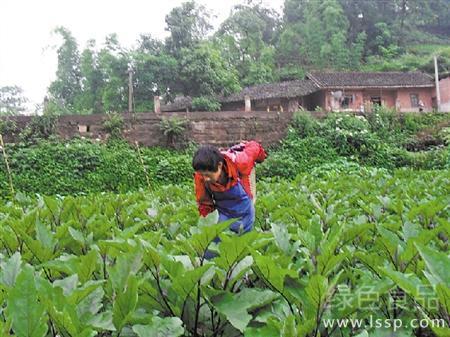
Eggplants have a high fertilizer demand, so fertilization must be done properly; key points for applying nitrogen fertilizer during high-temperature periods
Eggplants need plenty of fertilizer, but it must be applied properly; key points for applying nitrogen fertilizer to eggplants in high temperatures
-
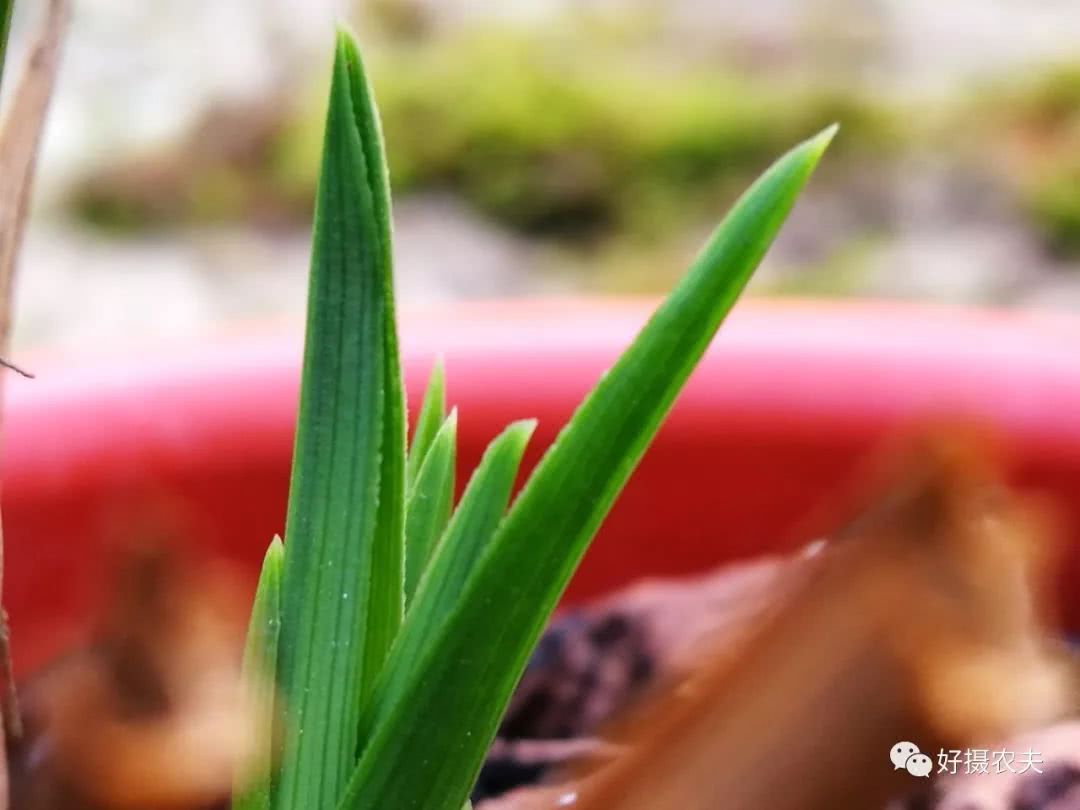
Applying potassium dihydrogen phosphate to orchids this way: why is it both wasteful and causes fertilizer burn?
Potassium dihydrogen phosphate is an indispensable good thing when growing orchids at home, but many orchid growers go against its function when using it, not only causing waste but more easily leading to fertilizer burn. Potassium dihydrogen phosphate was designed and produced from the outset for foliar application of phosphorus...
-
Correct Methods for Applying Bio-Organic Fertilizer to Strawberries
Strawberries are plants grown for their fruit, which is bright red and showy, tender and juicy, sweet and sour to the taste, and high in nutritional value. They are cultivated in China from Heilongjiang in the north to Guangdong in the south, and from Shanghai in the east to ** in the west. Over the course of a year, as the seasons change, the physiological functions of each organ of the strawberry plant also undergo regular changes; these are generally divided into...
-
Applying supplemental fertilizer to walnut trees during the rainy season: better to apply less than more
Choose high-quality seedlings for planting. High-quality seedlings refer to robust grafted seedlings with pure varietal characteristics, well-healed graft unions, and no damage or pests and diseases. Choose plots with a soil layer more than 1 m thick, a pH of 7.5-8.0, a soil salt content below 0.25%, and a groundwater level below 2 m for planting. When planting, apply a 600-fold dilution of Xin Gaozhi Mo...
-

Applying flower-promoting fertilizer to lychee around Minor Cold is the right time
(1) Increase the application of organic fertilizer and avoid excessive use of chemical fertilizers. Based on a tree producing 50 kg of fruit, apply 0.5 kg of superphosphate, 1 kg of potassium sulfate, and about 10-15 kg of fully composted organic fertilizer per tree after flower drop, then apply manure water fertilizer once each at 35 days and 50 days after flower drop. (2) Timely and appropriate irrigation...
-
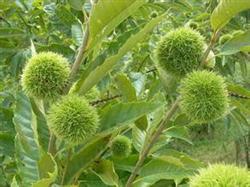
Key Technical Points for Skillfully Applying Boron Fertilizer to Chestnut Trees
According to surveys, in areas where chestnuts grow normally, 15% of the burrs are empty, and in some cases the rate is even as high as over 50%, seriously affecting chestnut growth. Boron deficiency is the main cause of empty chestnut burrs. Applying boron fertilizer can markedly inhibit the formation of empty chestnut burrs and increase yield. In spring, before the chestnuts sprout, apply it in a ring-shaped trench or in holes...
-
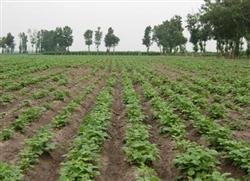
Methods and key technical points for applying sufficient basal fertilizer to mung beans
Although mung bean rhizobia have nitrogen-fixing ability, applying additional farmyard manure and phosphorus and potassium fertilizers has a clear yield-increasing effect. Before sowing, apply 2500 kg of farmyard manure, 20 kg of phosphate fertilizer and 1 kg of biological potassium fertilizer per mu as basal fertilizer. For fields where there is not enough time to apply basal fertilizer, during the early growth stage, that is, the branching and early flowering stage, apply 7.5 kg of ternary compound fertilizer per mu as topdressing...
-
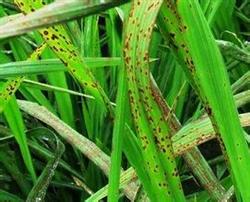
Identifying Zinc Deficiency Symptoms in Rice and Techniques for Skillfully Applying Zinc Fertilizer in Paddy Fields
Zinc is one of the essential trace elements for the growth and development of rice. Zinc deficiency in rice shows obvious symptoms. When rice is deficient in zinc, chlorotic yellow-white spots first appear in the midrib area of the lower leaves, with reddish-brown spots and irregular patches forming on them, which then gradually expand into reddish-brown streaks, turning reddish-brown and drying from the leaf tip downward, and from...
-
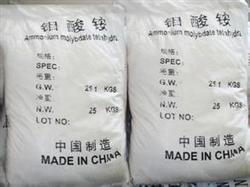
Key Technical Points and Methods for Applying Molybdenum Fertilizer to Soybeans
Molybdenum is a trace element essential for nitrogen metabolism in crops, and especially essential for the process by which nitrogen-fixing bacteria fix atmospheric nitrogen, so the effect of applying molybdenum fertilizer to legume crops is consistent. Xiao County has about 300,000 mu of soybeans planted year-round, and according to tests by the Suzhou City Soil and Fertilizer Station, 95% of the soil in Xiao County is deficient in molybdenum. In response to this situation, the Xiao County Soil and Fertilizer Station...
-
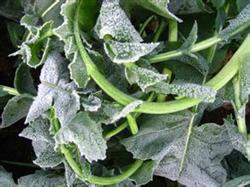
How to prevent frost damage in rapeseed? Applying to the soil and spraying on the leaves works well
Rapeseed is a winter crop. If the variety is chosen improperly, sowing or transplanting is too late, or fertilization is improper, frost damage is likely to occur. To prevent frost damage in rapeseed, in addition to selecting cold-resistant and hardy varieties, sowing at the right time, and raising strong seedlings for transplanting, the following technical measures should also be emphasized: increasing the application of phosphorus and potassium fertilizers. Phosphorus can promote the development of the rapeseed root system and enhance the...
条件筛选