How to prevent frost damage in rapeseed? Applying to the soil and spraying on the leaves works well
Rapeseed is a winter crop. If the variety is chosen improperly, sowing or transplanting is too late, or fertilization is improper, frost damage is likely to occur. To prevent frost damage in rapeseed, in addition to selecting cold-resistant and hardy varieties, sowing at the right time, and raising strong seedlings for transplanting, the following technical measures should also be emphasized: increasing the application of phosphorus and potassium fertilizers. Phosphorus can promote the development of the rapeseed root system and enhance the...
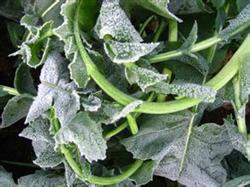
Rapeseed is a winter crop. If the variety is chosen improperly, sowing or transplanting is too late, or fertilization is improper, frost damage is likely to occur. To prevent frost damage in rapeseed, in addition to selecting cold-resistant and hardy varieties, sowing at the right time, and raising strong seedlings for transplanting, the following technical measures should also be emphasized:
Increasing the application of phosphorus and potassium fertilizers. Phosphorus can promote the development of the rapeseed root system and enhance the resistance of rapeseed; potassium can improve the ability of rapeseed to resist cold, resist disease, and resist lodging. Therefore, during topdressing, the amount of nitrogen fertilizer applied should be appropriately controlled or reduced, so as to avoid the plants becoming tender and juicy and their cold resistance deteriorating.
Heavy application of la fertilizer. As the farming proverb says: "A thousand irrigations, ten thousand irrigations, are not as good as one application of la fertilizer." This fully demonstrates the role of applying la fertilizer to rapeseed. The suitable time for applying la fertilizer is 10-15 days before "Winter Solstice." Generally, 1200-1500 kg of pig and cattle manure per mu, or 2500-3000 kg of farmyard manure, can raise the soil temperature by 2-3°C, effectively reducing the damage to overwintering seedlings caused by freezing of the plow layer soil, and also producing the effect of winter application and spring growth.
Increasing mulch. Before winter, covering rapeseed seedlings with farmyard manure, plant ash, crop straw, and other materials can keep the ground temperature relatively stable, reduce leaf transpiration, avoid direct damage to leaves from cold air, and also seal soil cracks to prevent wind leakage from harming the seedlings. For example, covering with rice straw at 200-300 kg per mu not only preserves soil moisture and prevents freezing, but also increases soil organic matter. The rice straw spread over the bed surface will naturally settle when rain falls, and generally does not affect the photosynthesis of rapeseed.
Spraying paclobutrazol. For rapeseed plots that were sown or transplanted early, are growing vigorously, and tend to grow excessively, spraying a paclobutrazol solution around December 20 can make the plants stocky, turn the leaf color green, and prevent or reduce frost damage. Spraying method: use 50-60 g of 15% paclobutrazol wettable powder per mu, mix with 60 kg of water, and spray evenly on the leaves, taking care not to miss any spots or spray twice.
Foliar fertilization. For foliar fertilization of rapeseed before winter, the key is to spray phosphorus and potassium fertilizers, which can increase the concentration of cell sap, lower the freezing point, and enhance cold resistance. During the overwintering period, spraying potassium dihydrogen phosphate, Huolishu, and Huimanfeng solutions, and for boron-deficient rapeseed spraying 0.2% borax solution, is beneficial for preventing freezing and protecting seedlings.
Controlling early bolting. When rapeseed bolts early, it not only consumes more nutrients, but also has weak cold resistance. For plots showing signs of early bolting and early flowering, deep intertillage can damage part of the root system and delay the occurrence of early bolting and early flowering; for rapeseed that has already bolted and flowered early, after the Spring Festival choose a sunny day with relatively high temperatures to remove the bolts, and promptly apply quick-acting nitrogen fertilizer to promote the plants' recovery and reduce losses from frost damage.