-

Lessons to Remember After Losing Out by Not Applying Organic Fertilizer to Jujube Trees
This year, the selling prices of jujubes varied greatly. The price differences were mainly due to differences in sweetness and crispness, and apart from varietal characteristics, the main reason for the differences in sweetness and crispness was the different types of fertilizer applied. Currently, it is the second root development period for jujube trees. The first root growth peak occurs from late May to early June after new shoots stop growing, and the second root growth peak occurs from after fruit harvest to early November. From surveys of jujube growers, many farmers are only accustomed to fertilizing fruit trees in spring,
-
Applying boll fertilizer to cotton pays off, and this investment account must be calculated clearly
This year, due to early drought followed by flooding and the recent hot, high temperatures, cotton development progress has been very uneven. In particular, the number of bolls set on cotton varies greatly. In cotton fields planted earlier and managed better, the average number of early summer bolls per cotton plant has already reached 8 to 10, and for high-yield cultivation farmers, the early summer bolls on cotton can be as many as more than 20, while in general fields the early summer bolls on cotton are only 4 to 6. From the perspective of cotton's growth process, field cotton has now generally entered the boll-setting stage. The period when cotton concentrates on setting bolls is precisely the period of greatest fertilizer demand. From the stages divided by cotton boll setting,
-
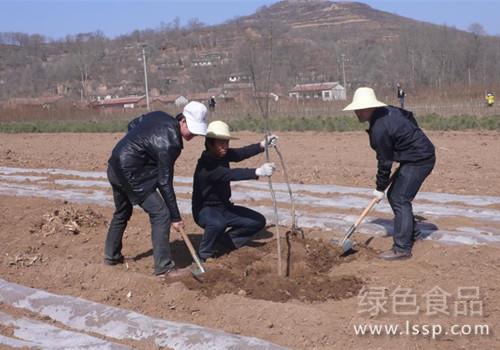
Eight key points for walnut cultivation; only by applying techniques according to the specific conditions can you achieve high yields
Only by applying techniques according to the specific conditions can you achieve high yields. Eight key points to note in walnut cultivation
-
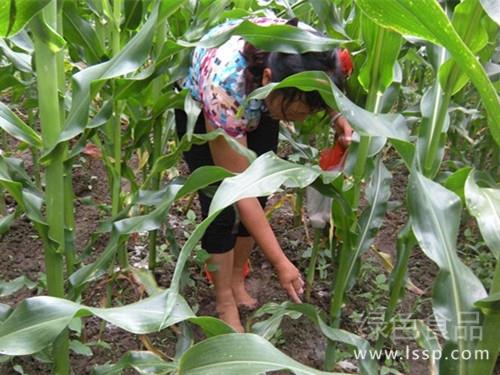
Corn with potassium deficiency loses water and wilts; applying potassium fertilizer can ensure high yield
Potassium deficiency causes water loss and wilting; for high corn yield, apply potassium fertilizer
-
Methods for Skillfully Applying Foliar Fertilizer to Tea Plants to Improve Quality
If famous tea is contaminated, especially export products, its output value and reputation will suffer serious damage. To improve tea quality and yield, in addition to measures such as growing green manure in tea gardens, mulching to retain moisture, applying sufficient farmyard manure after each harvest, and improving tea-making techniques, foliar fertilizer should also be used skillfully. This is a good method that uses a small amount of fertilizer, takes effect quickly, and yields high returns, generally increasing yield by 20%-30% or more. The techniques are: Fertilization timing. When the new shoots of each round of tea in spring, summer, and autumn sprout and grow to the stage of one bud and one initial leaf, choose a windless sunny day at early morning, evening, or on a cloudy day for spraying, once a week for 2-3 consecutive sprays. Spray until water drips from the leaf surface. Fertilizer ratio. Mainly nitrogen, phosphorus, and potassium, supplemented by micronutrient fertilizers, with a ratio of 4:1:1. Micronutrient fertilizers are proportioned according to the principle of supplementing whatever the tea plant lacks. Fertilization concentration. The fertilization concentration is related to the fertilizer variety and weather conditions. According to experiments, urea is 0.5%, superphosphate 1%, potassium sulfate 0.5%, zinc sulfate 50-100 ppm, and ferric molybdate 20-50 ppm. If the concentration is too high, fertilizer damage is likely to occur; otherwise, it will not be effective. Combination with multiple substances. It can be combined with pest control, sprinkler irrigation, and plant growth regulators, saving labor and making mechanized operation easier to achieve. Chemical properties of fertilizers and pesticides. Acidic fertilizers should be combined with acidic pesticides, and alkaline fertilizers with alkaline pesticides, so as not to produce chemical reactions or precipitates, preventing mutual cancellation of fertilizer and pesticide efficacy. Use biological pesticides to control pests and diseases. Using biological pesticides to control tea plant pests and diseases is the best choice, as it is safe, reliable, pollution-free, and harmless, with low cost and high control efficacy, such as Bt emulsion, Bacillus thuringiensis, Beauveria bassiana, agricultural antibiotics, and plant antibiotics.
-
The Benefits and Uses of Compost Explained in Detail
What benefits does applying compost have? Do you know? The nutrient source for organic crops, under the principle that chemical fertilizers must not be used, depends entirely on the use of compost. As for the nutrient content of compost, aside from itself containing a small amount of readily available inorganic nutrients, most
-
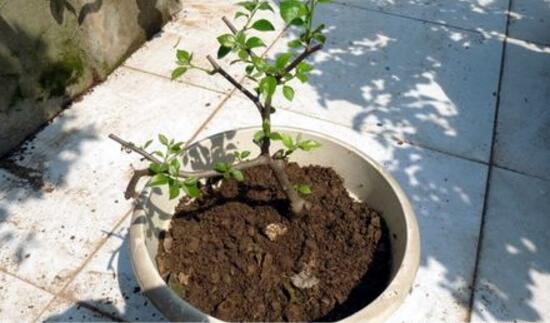
How do you fertilize Bougainvillea? Applying organic fertilizer once every half month is best
Bougainvillea has a long blooming period and brilliant flower colors. It is a highly ornamental plant, and many flower lovers grow it in pots at home. For experienced growers, caring for Bougainvillea is very simple, just a matter of hands-on work; but for beginners, it is a bit difficult to grow, especially how to fertilize Bougainvillea, which has stumped many people. In response
-
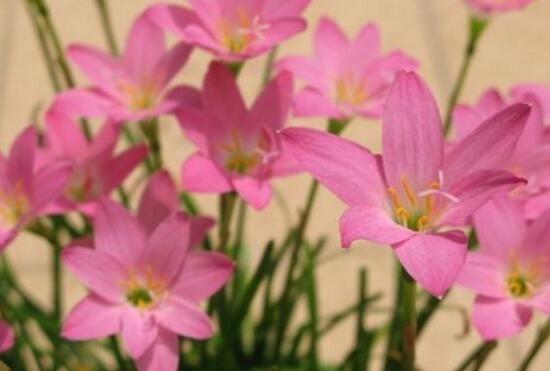
What to do if the rain lily does not bloom? Adjusting temperature, increasing light and applying fertilizer in moderation are key
The benefits of the rain lily are mostly seen in its ornamental value, and its ornamental value is mainly shown in its beautiful flowers. So once the rain lily does not bloom, its ornamental value will be seriously affected, and by then flower lovers must be very anxious! So what should be done if the rain lily does not bloom? For this, the editor has summarized 3 reasons
-
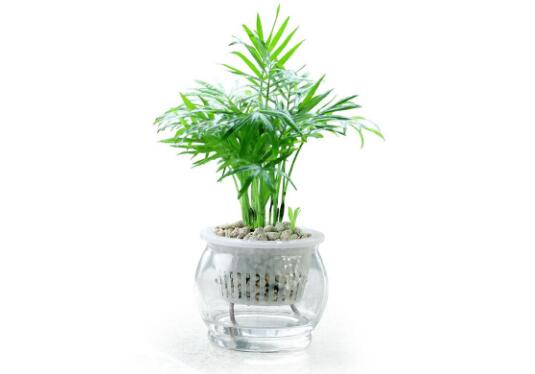
Can Parlor Palm Be Grown Hydroponically? Hydroponic Methods and Tips for Frequently Applying Nutrient Solution
Parlor palm is a potted plant that is very well suited to being grown indoors, and many people in our country grow it too. However, some people want to try growing it hydroponically, so can parlor palm be grown hydroponically? Actually, it can. So what are the hydroponic methods for parlor palm? Below, the editor will walk everyone through it.
-
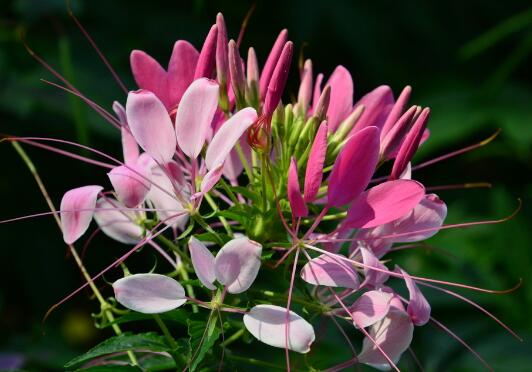
How to water and fertilize Cleome? Control the water volume and avoid waterlogging; dilute fertilizer before applying it
Cleome is a fairly common flowering plant in people's daily lives, with high ornamental value, and many people in our country grow it. However, to grow it well, there are many points to pay attention to, among which watering and fertilizing are especially important. So how do you water and fertilize Cleome?
条件筛选