-
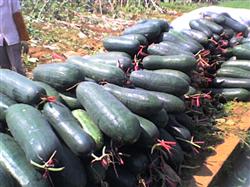
What are the key points for cultivating winter melon in small arched tunnels in early spring?
Winter melon has a well-developed root system, luxuriant branches and leaves, and bears huge fruits; it is a high-yielding crop with strong adaptability. The entire growth period of winter melon is about 100-150 days, and its life is divided into 4 stages: from seed germination to the cotyledons flattening out and the first true leaf appearing is the germination stage; from the first true leaf emerging to the beginning of vine growth is the seedling stage; from the seedling...
-
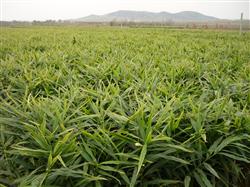
How to plant ginger in early warm spring? The four-improvement technique is key
In recent years, the outlook for earning foreign exchange through exporting high-quality ginger has been promising, but quality requirements have also become increasingly high. Our department guided 20 large-scale growers in promoting and applying the "four improvements" new technique, which made the ginger produced large and plump with shiny skin color, increased the average yield per mu by 64% compared with traditional planting, and achieved doubled income growth for ginger farmers. When spring warms and flowers bloom in March to April...
-
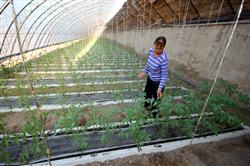
How to manage spring tomatoes after transplanting? Practical methods are here
1. Timely intertillage. Intertillage should be carried out promptly after transplanting. Early and deep intertillage helps raise soil temperature and promotes rapid root development and recovery growth. It is even more important for early-maturing cultivation. Intertillage should be carried out 3-4 times in succession, with the depth becoming shallower each time. This promotes the growth of adventitious roots at the stem base and expands the root system. 2. Fertilizer and water management. Tomatoes...
-
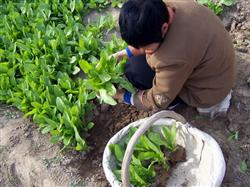
High-Efficiency Multiple Cropping Technique for Winter Lettuce and Early Spring Peppers in Greenhouses
1. Select good varieties: For greenhouse cultivation of early spring lettuce, it is advisable to choose early-maturing pointed-leaf varieties with strong cold resistance, such as Hefei pointed-leaf duck-egg lettuce and Beijing crucian carp lettuce. 2. Grow strong seedlings: Sow and raise seedlings in a greenhouse in mid-to-late January. Before sowing, first soak the seeds in clean water at 20°C for 3-4 hours, rub and wash them, then remove and drain the water, and put them into...
-
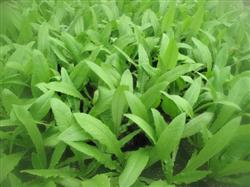
Management advice for spring potatoes after late-spring cold damage
1. Variety selection. Leaf lettuce is grown mainly for its leaves, which are eaten mostly raw, hence it is also called lettuce. The leaves are deeply lobed and wrinkled; it is highly adaptable and easy to cultivate. Good varieties include Guangzhou Dongshan lettuce (soft-tail lettuce), glass lettuce, Lettuce King, and American Great Quick Growth, etc. 2. Seedling raising. Leaf...
-
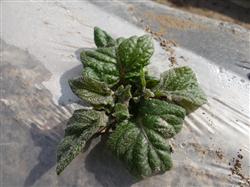
How to take frost protection measures after spring potatoes emerge
At present, temperatures are low and frost is frequent, and spring potatoes that have already emerged inside the plastic film are prone to frost damage when the film is broken to release the seedlings, so it is advisable not to break the film to release the seedlings for now, and to wait until after the Spring Festival when temperatures rise slightly, then break the film to release the seedlings at the appropriate time. If low-temperature frost weather occurs after the seedlings are released, straw can be spread over the beds to prevent the seedlings from freezing. Here...
-
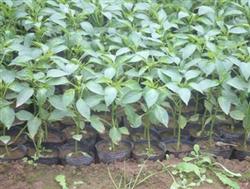
How to raise seedlings for spring-planted peppers? Key technical points explained
(1) Preparing the cold frame Select a plot with fertile soil, sheltered from the wind and facing the sun, where eggplants and tomatoes have not previously been grown, and build a cold frame. For each mu to be planted, raise seedlings using 150 grams of seed, and the cold frame should be more than 10 sq m. Apply plenty of base fertilizer, water heavily to build up soil moisture, and use a small amount of urea, phosphate fertilizer and active potassium fertilizer. Because the cold frame is sealed...
-
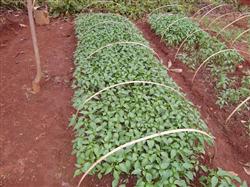
Detailed Explanation of Key Techniques for Raising Chili Pepper Seedlings in Spring
Site selection and bed preparation: Choose a plot of fertile land, sheltered from the wind and facing the sun, where eggplants and tomatoes have not been grown in the previous crop, and build a hotbed. For each mu planted, raise seedlings using 150 grams of seed. Scientific fertilization: Apply sufficient base fertilizer, irrigate heavily to build up soil moisture, and use a small amount of urea, phosphate fertilizer and active potassium fertilizer. Because the hotbed is sealed, do not apply...
-
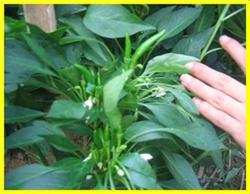
High-Efficiency Cultivation Technique for Multiple Cropping of Winter Lettuce Followed by Early Spring Peppers in Greenhouses
For lettuce, choose the disease-resistant, high-yielding, cold-tolerant lettuce variety Shuiguasi. Sow and raise seedlings in a small arch shed from late August to late September. After sowing, lower the temperature during the day by ventilating the shed film from the bottom and covering with a shade net; on rainy nights, cover the shed film properly. From pricking out to the seedling recovery stage, shade during the day to create an ambient temperature suitable for lettuce growth...
-
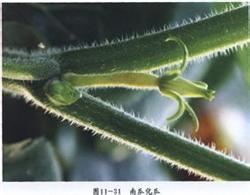
6 Key Points of Small Arch Shed Cultivation Technology for Pumpkin in Early Spring
Main causes of pumpkin fruit abortion: excessively high temperatures are unfavorable for pumpkin fruit setting and fruit enlargement, causing fruit abortion; excessive fertilizer and water, especially after pumpkin harvest, when pruning cannot keep up, causing excessive vegetative growth of pumpkin plants and fruit abortion; pest and disease damage causing fruit abortion. To prevent pumpkin fruit abortion, the following measures can be taken: First, ...
条件筛选