-
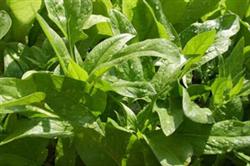
Detailed Explanation of the Key Points of Pollution-Free Cultivation Techniques for Spring Spinach
Spring spinach has a short growing period, and can generally be harvested and brought to market 30 to 50 days after sowing. Planting spring spinach plays an important role in quickly easing the spring shortage. 1. Select suitable varieties. After spring spinach is sown and emerges, the temperature is low and the daylight hours gradually lengthen, making it very easy to bolt after passing through phase development. Therefore, choose varieties that bolt late, have thick and large leaves...
-
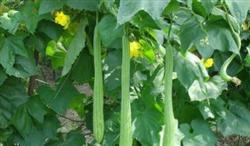
Dense-Planting Cultivation Techniques for Luffa (Sponge Gourd) in Winter-Warm Greenhouses during the Winter-Spring Season
Using winter-warm greenhouses for high-density off-season cultivation of luffa can greatly increase yields, with a per-mu yield of over 5000 kg and a per-mu income of 30,000-40,000 yuan. Variety selection: choose early-maturing varieties with strong cold tolerance, disease resistance and adaptability, such as Jiangshu No.1, Zaoza No.1, Cuilu Early Luffa, Yulu Early Luffa, and Wuye. Xiang...
-
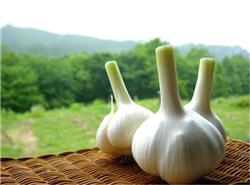
Key Technical Points for Spring Garlic Production Management
First, ensure adequate water supply. As garlic enters the critical water-demand period of bulb expansion, combined with rising temperatures and more frequent windy weather, garlic's demand for water increases. Garlic growers should pay full attention to water management in garlic fields and strive to give one general irrigation (watering) for bulb expansion, so as to meet the water demand for bulb expansion....
-
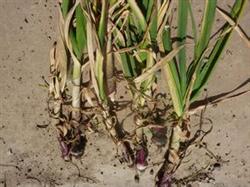
How to prevent and control spring rot in spring garlic? These key points you need to master
Spring rot of garlic can last until mid-June, and in years with low temperatures and high humidity, it even continues until the harvest period. It mainly affects the base of the leaf blade of the lower leaves. Water-soaked softened lesions appear, and after expanding upward and downward, they become light brown rot. In the middle and late growth stages, the central leaves are affected, and the soft rot spreads to below the flower stalk. Sometimes it can cause new...
-
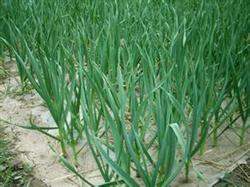
For high garlic yields, good spring management is key
Garlic farmer Qi Xinqiang has grown film-mulched garlic for many years, and through production has worked out a cultivation technique using double-layer plastic film mulching for garlic, achieving an earlier market launch for the garlic and a relatively high yield, with a yield increase of more than 10% per mu, which is worth learning from and drawing on for vegetable growers in the major garlic-producing areas. The cultivation technique is described below: 1. Select...
-
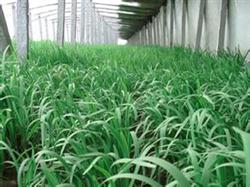
Key Technical Points for Early Spring Management of Greenhouse Chives
1. Temperature management. Chives prefer cool conditions, with an optimum growing temperature of 15-24°C, and should be ventilated appropriately during the day. To promote sprouting, after the greenhouse is covered, the daytime room temperature should be kept at 18-25°C, and after sprouting, the daytime room temperature should be controlled at 17-23°C. Before the first harvest of chives, the daytime temperature should be 15-22°C and the nighttime temperature 10-12°C. After each subsequent harvest...
-
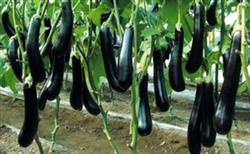
Key Cultivation Techniques for Winter-Spring Crop Eggplant in Greenhouses
1. Sowing and Seedling Raising: Choose early-maturing or mid-maturing varieties. For seedling raising in a sun-facing cold frame, sowing can be done from late November to early December, with a seedling age of over 90 days. If electric heating seedbeds are used for seedling raising, or seedlings are raised in a winter-warm greenhouse, the seedling age can be shortened to 70-80 days, meaning the sowing date can be postponed to mid-to-late December. The morphological indicator for seedlings of suitable age...
-
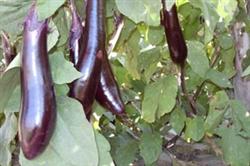
Key Points of High-Yield Cultivation Techniques for Eggplant in Early Spring Open-Field Cultivation
1. Variety selection: Choose varieties with good marketability, strong cold and disease resistance, high and stable yield, tolerance to low light, suitability for dense planting and excellent quality, such as Hangqie No. 1, Yinqie No. 1, etc. 2. Seedling raising and cultivation methods: Open-field eggplant generally adopts improved solar hotbed with electric heating wire for seedling raising, sowing and raising seedlings in mid to late January, planting in April...
-
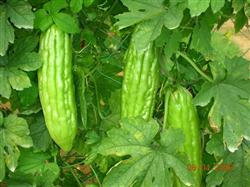
Remember these four key points for high-yield spring bitter melon cultivation
Bitter melon fruit is rich in vitamin C, higher than tomatoes, and contains a glycoside that gives it a distinctive bitter taste, making it one of the popular health vegetables. Growing spring bitter melon means mild diseases, low costs, high yields, and good returns. The high-yield cultivation techniques for spring bitter melon mainly include the following four key points: select good varieties, raise seedlings at the right time. Spring planting...
-
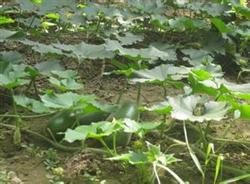
Key Technical Points for Spring Open-Field Cultivation of Ground-Trailing Winter Melon
Ground-trailing winter melon has the advantages of saving trellis materials, reducing labor for building trellises and tying vines, lower costs, being convenient for intercropping and relay cropping, and relatively extensive cultivation management. During spring open-field cultivation in the early spring low-temperature season, intercropping pak choi, small radish, garland chrysanthemum and other vegetables in the vine-running beds can improve land utilization and increase vegetable yield. Our local farmers...
条件筛选