Detailed Explanation of Key Techniques for Raising Chili Pepper Seedlings in Spring
Site selection and bed preparation: Choose a plot of fertile land, sheltered from the wind and facing the sun, where eggplants and tomatoes have not been grown in the previous crop, and build a hotbed. For each mu planted, raise seedlings using 150 grams of seed. Scientific fertilization: Apply sufficient base fertilizer, irrigate heavily to build up soil moisture, and use a small amount of urea, phosphate fertilizer and active potassium fertilizer. Because the hotbed is sealed, do not apply...
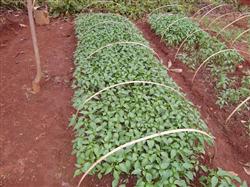
Site selection and bed preparation: Choose a plot of fertile land, sheltered from the wind and facing the sun, where eggplants and tomatoes have not been grown in the previous crop, and build a hotbed. For each mu planted, raise seedlings using 150 grams of seed.
Scientific fertilization: Apply sufficient base fertilizer, irrigate heavily to build up soil moisture, and use a small amount of urea, phosphate fertilizer and active potassium fertilizer. Because the hotbed is sealed, do not apply ammonium bicarbonate or ammonium sulfate as base fertilizer, to prevent ammonia gas from damaging the seedlings.
Rational sowing: Water thoroughly to saturate the soil, apply fertilizer, level the land, sow evenly, cover with fine soil 0.5-0.8 cm deep, not exceeding 1 cm, then cover with plastic film, and cover the hotbed tightly with plastic film. During the day, control the temperature at around 25°C, and at night at around 12-15°C. After 60-70% of the seedlings have emerged, remove the plastic film. Pay attention to moisture retention; a fine watering can may be used to spray water evenly to increase humidity. Never use flood irrigation.