-

Orchid Leaf Abnormalities Reveal the Root Causes of Disease
01. Leaves yellowish but growing normally: light too strong. 02. Leaves turning yellow, new shoots small: excessive light, lack of nitrogen fertilizer or insufficient humidity. 03. Old leaves yellowing and dropping: normal aging and natural shedding, or improper repotting. 04. Tips of new leaves scorched: excessive fertilizer or pesticide, or unclean potting medium. 05. New leaves and old leaves...
-
Why Are Orchid Roots Turning Black? Causes and Solutions
There are many situations in which orchid roots turn black, and it is not possible to determine the cause from one single aspect. Flower lovers can refer to the information below to make a judgment....
-
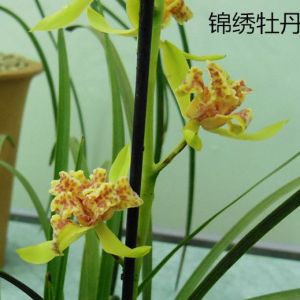
How to judge the quality of orchids when introducing them by their roots
A gold award-winning variety at the Jiangsu Jingjiang Cymbidium faberi exhibition.
-
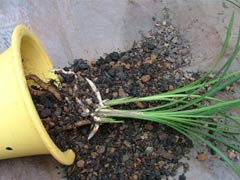
What to Do When Orchid Roots Rot? Teach You the Correct Way to Handle It
Orchid root rot means there is a problem with your orchid care. If even one factor - environment, planting method, watering, fertilizing, spraying - fails to meet the orchid's needs, and the tips of new shoot leaves begin to wither or black spots appear on the leaves, it means the orchid has started to become diseased and its roots are rotting. If you do not find the cause and improve it...
-
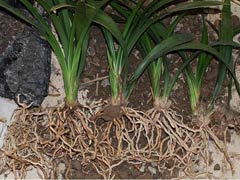
What to Do About Root Rot in Cymbidium sinense? Causes and Treatment Methods Explained
Root rot in Cymbidium sinense mostly occurs in winter, largely because the soil drains poorly and overwatering leads to root rot. Many orchid growers do not know what to do about root rot in Cymbidium sinense, nor do they know the harm caused by root rot. Through sound methods, this article teaches flower growers how to rescue Cymbidium sinense with root rot, so that growers will have fewer regrets!...
-
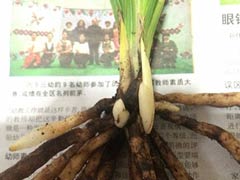
How Can You Tell if Orchid Roots Are Healthy? An Illustrated Guide to Judging
Quite a few orchid growers want to know what makes orchid roots healthy. It happens that a fellow orchid grower has put together an article based on their own experience, and with the pictures in the article, growers can fairly easily judge what healthy orchid roots look like. The grower looked at root photos of Liumei and Old Shanghai, because the peak season for introducing new plants is approaching...
-
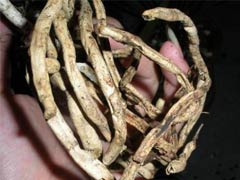
How should hollow roots on orchids be dealt with?
Hollow roots on orchids are quite common. This article starts with how to deal with hollow orchid roots, then moves on to the causes of hollow orchid roots, as well as prevention methods, so that orchid growers can avoid detours in their future orchid care. I have seen many online articles that only discuss the causes of hollow orchid roots without saying what to do about them...
-
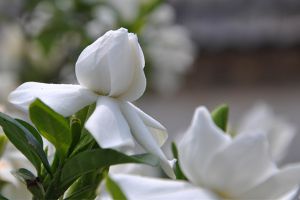
How to deal with root rot in gardenia? Teach you the correct remedy
This is a plant with extremely fragrant flowers when in bloom. Besides being ornamental, this plant can also be made into medicine to treat many human diseases. But this plant also has one big drawback: it is prone to root rot. Many gardening enthusiasts just throw it away once the roots rot. So is there any way to save this plant? Yes, there is. Next, I will give you some methods for dealing with a plant after its roots rot.
-
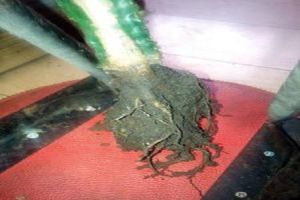
What to Do If a Dragon Bone Flower Has Root Rot? Practical Prevention and Treatment Tips
This plant is also called the measuring sky ruler (dragon bone flower), a very bold and pleasant name. It is not afraid of drought and does not fear sunlight, so there is no need to water it every day. If the water in the soil does not decrease for a long time, it will develop root rot. Therefore, the main reason its roots rot is still improper care by the owner, which will affect its future growth and cause it harm. We must immediately take prevention and treatment measures.
-

What are the precautions for fertilizing orchids at the roots?
The technique of fertilizing orchids is both simple and complex, and the following points usually need attention: 1. Different orchid species need different amounts of fertilizer. For example, Cymbidium faberi needs a large amount of fertilizer, while Cymbidium goeringii needs only half as much as Cymbidium faberi. 2. Different growing media require different fertilizers. For example, hard materials such as volcanic stone and Sendai soil, because they themselves...
条件筛选