What to Do About Root Rot in Cymbidium sinense? Causes and Treatment Methods Explained
Root rot in Cymbidium sinense mostly occurs in winter, largely because the soil drains poorly and overwatering leads to root rot. Many orchid growers do not know what to do about root rot in Cymbidium sinense, nor do they know the harm caused by root rot. Through sound methods, this article teaches flower growers how to rescue Cymbidium sinense with root rot, so that growers will have fewer regrets!
After discovering root rot in Cymbidium sinense, tip the plant out of the pot, and you can see the rotted parts and the extent of the root system. Promptly cut away the moldy, blackened and hollow roots, keep the parts that have not yet rotted, and at the same time thin out some leaves with diseased spots. As long as the corm-like pseudobulb has not rotted away, the plant can generally be saved and revived.
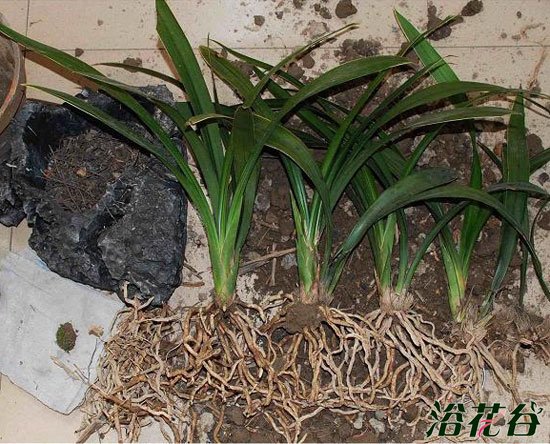
To prevent the plant from being infected again by pathogens, when replanting, change to a clean unglazed clay pot and use uncontaminated plain sand as the planting medium; when planting, cover with plain sand only up to the base of the pseudobulb, and by no means bury the pseudobulb. Finally, add a layer of clean potting soil or moss on top of the sand, then immediately place the repotted orchid in a water basin to soak, and after it has absorbed enough water, place it in a cool, well-ventilated spot.
During the process of root recovery and regeneration in Cymbidium sinense, do not fertilize, and be sure to prevent heavy rain from drenching it; only when the leaves turn green, stand upright and regain their luster may normal water and fertilizer management be resumed. This process takes about 3—4 months.
This method is likewise an effective way to save other rare orchid varieties suffering from root rot.