-
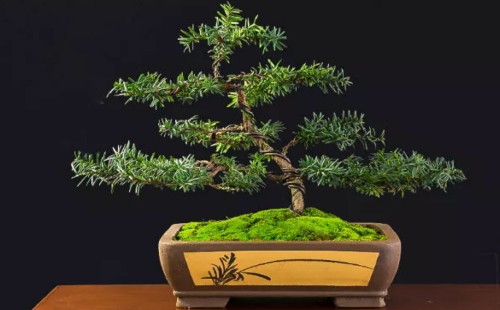
How to Revive a Yew with Root Rot? Detailed Remedial Methods
Many bonsai enthusiasts like to grow bonsai trees at home, not only for their ornamental value but also because they bring a touch of freshness and greenery to the environment. However, during daily care and management, the most frustrating issue is a series of poor growth symptoms caused by root rot in bonsai trees, and they may even die. If handled improperly
-
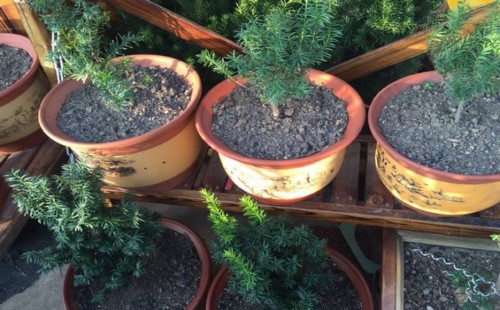
How to properly repot a yew (Taxus) after root rot
The yew bonsai is elegant and beautiful, very pleasing to look at, but daily care and management must be done well, otherwise it may adversely affect growth and thus reduce its ornamental value. One of the more common problems is root rot, and the causes of root rot are often varied, generally due to improper water and fertilizer management
-
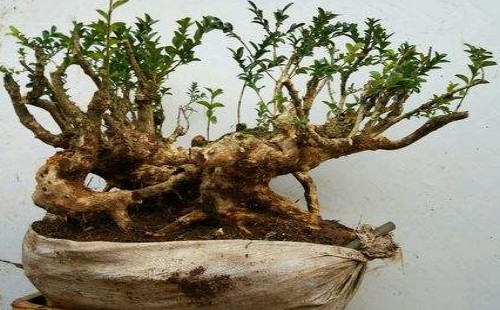
How do you grow the roots of a boxwood bonsai thick? Master these care methods
Boxwood bonsai has features such as a graceful, dancing tree posture, deep emerald leaf color, and ancient, gnarled, twisting roots, so its ornamental value is quite high, and it is deeply favored by the vast number of bonsai enthusiasts. Moreover, the boxwood tree has a well-developed root system. When creating a bonsai, in addition to the most commonly used method of cutting branches to build up the trunk, you can also raise the roots and expose the roots
-
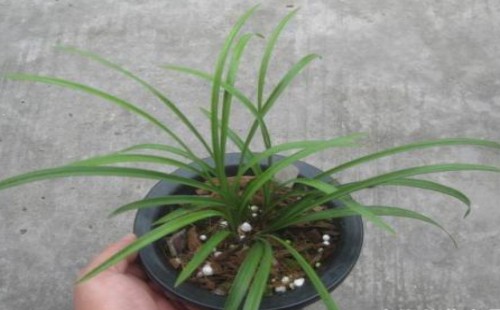
How to grow rootless orchids? Teach you the correct care method
Rootless orchid seedlings appear mainly due to unscientific watering during the cultivation process, or due to excessive fertilizer application causing fertilizer burn, which leads to hollow roots and root rot. But sometimes, to save costs, we can also try planting rootless seedlings, so how do you grow rootless orchids? How should rootless seedlings be handled when they appear?
-
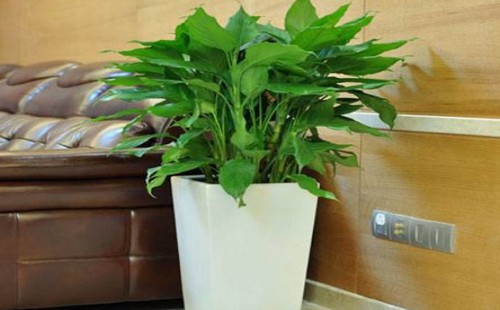
What to Do When Potted Arrowroot (Dieffenbachia) Leaves Turn Yellow and Droop
In a previous article, we mentioned that Dieffenbachia is not only a foliage plant with extremely high ornamental value, but its sap also contains certain toxins. So during the growing process, we need to take good care of it on one hand, and on the other hand, guard against accidental touching or ingestion to avoid harm to human health and safety. Admittedly
-
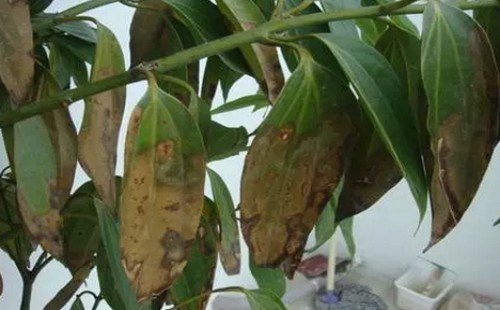
What are the symptoms of root rot in the Peace Lily tree?
The Peace Lily tree (Cinnamomum kotoense) is evergreen year-round and has high ornamental value, so many people like to grow it as a potted houseplant. It can beautify the home environment, purify indoor air, and also carries the beautiful meaning of good fortune and well-being, so placing it as a potted plant in the home is very practical.
-
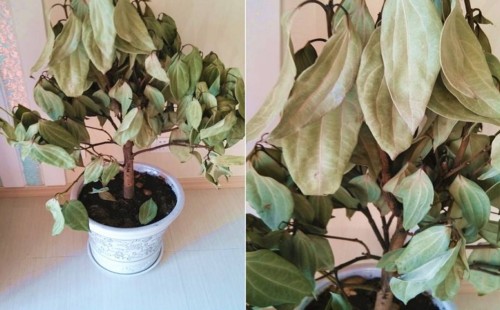
How to tell if a peace lily has root rot? These symptoms will tell you
Potted peace lilies keep their leaves and branches evergreen and look great for greening and beautifying, making them very practical as a household potted plant. But if the potted plant develops root rot, the plant's growth will inevitably be affected to varying degrees. Because the plant generally absorbs nutrients through its root system, once the roots rot, nutrients cannot be smoothly transported to the tree body
-
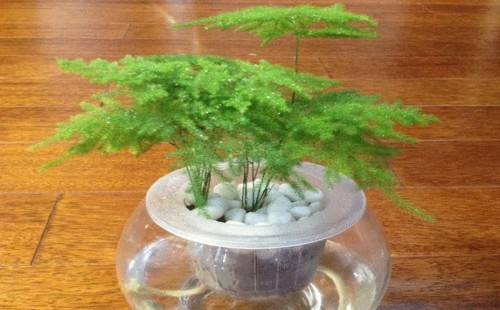
Can Asparagus Fern Be Grown in Water Without Roots? A Detailed Guide to Rootless Hydroponics
Asparagus fern (Asparagus setaceus) is an evergreen plant that grows in a rather quiet and elegant manner, like a lovely young girl showing us her most beautiful side. Moreover, asparagus fern can be grown both in soil and in water, making it a very easy-to-grow climbing plant with high ornamental value. Hydroponic asparagus fern not only keeps the environment cleaner
-
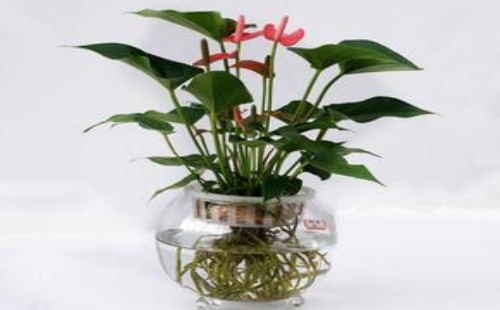
What to Do When the Roots of a Hydroponic Anthurium Turn Green? Causes and Solutions
Because the anthurium has very high ornamental value, as it can be enjoyed both for its flowers and its leaves, it is deeply loved by people, especially favored by home potted plant enthusiasts. And considering its small impact on environmental hygiene and its relative cleanliness, quite a few plant lovers also like to grow anthuriums hydroponically. However
-
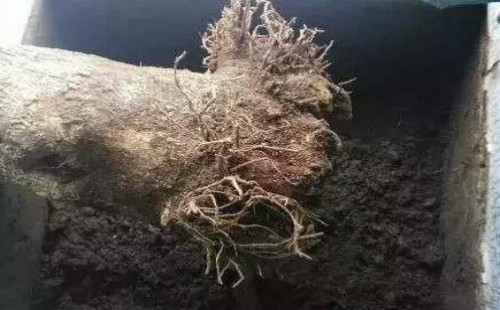
Methods and Tips for Re-rooting a Money Tree After Root Rot
The thing potted flowering plants fear most is root rot, and root rot means a decline or loss in the plant's ability to absorb through its roots. If rescue measures are not taken in time, at best the branches and leaves will turn yellow and drop, and at worst the plant will die. This is especially true for a tree species like the Money Tree (Radermachera sinica), which has a massive canopy of branches and leaves but a relatively shallow root system.
条件筛选