Methods and Tips for Re-rooting a Money Tree After Root Rot
The thing potted flowering plants fear most is root rot, and root rot means a decline or loss in the plant's ability to absorb through its roots. If rescue measures are not taken in time, at best the branches and leaves will turn yellow and drop, and at worst the plant will die. This is especially true for a tree species like the Money Tree (Radermachera sinica), which has a massive canopy of branches and leaves but a relatively shallow root system; when root rot occurs, it often brings us serious losses. So we need to remedy the situation immediately, letting its root system resume growth and regain normal absorption capacity. So how do you get a Money Tree to re-root after root rot?
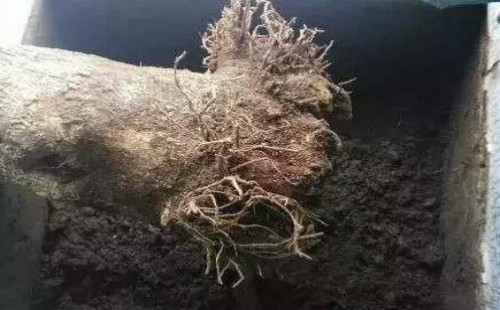
When root rot occurs in a potted Money Tree, it is generally caused by excessive watering that leads to water accumulating in the pot or by prolonged excessively high humidity. If ventilation is poor and the ambient temperature is too high, the root rot will worsen. When we encounter root rot in a Money Tree, we naturally need to rescue it in time, letting it re-root and restore the normal absorption capacity of its root system, thereby ensuring that water and nutrients can be transported smoothly to the tree. Below, the editor will share with you the methods for re-rooting a Money Tree after root rot.
When root rot occurs in a potted Money Tree, some withered and yellowed branches and leaves generally appear to varying degrees, and we need to prune away these dead branches and leaves in time to reduce the burden on the roots. After all, the root system has already become very fragile under such circumstances, and pruning away the withered and yellowed branches and leaves can save the consumption of nutrients and water and prevent the nutrients within the tree from being rapidly depleted as well. We need to let the saved nutrients support the root system as much as possible until it recovers its normal supply capacity.
Next, remove the plant from its pot, taking the Money Tree out of the flowerpot, and then clean off the excess soil clinging to the roots. After that, prune away the rotted parts of the roots, especially the diseased and damaged roots, which should be pruned away as thoroughly as possible, because these rotted roots are covered with pathogens. After that, we also need to use chlorothalonil, carbendazim, potassium permanganate, plant ash or other sterilizing and disinfecting agents to treat the wounds left after root pruning, ensuring that the remaining roots will not continue to be infected and creating conditions for restoring root growth.
Comparing the several sterilizing and disinfecting agents mentioned above, the original chlorothalonil is a broad-spectrum, protective fungicide with no systemic translaminar action. Spraying it on the Money Tree's roots can give the root surface a sticky state. The advantage of this stickiness is that it is not easily washed off by watering or rainwater, so the effective period of the agent is relatively long, which has a more pronounced effect on the recovery of a Money Tree with root rot. So it is recommended to use chlorothalonil to sterilize and disinfect the Money Tree's roots.
At the same time, to promote the sprouting of new roots and the continued growth of old roots, it is recommended that you dissolve some rooting powder into a rooting solution, then use it to soak the Money Tree's roots. After letting the excess water dry off, we can replant the Money Tree, whose roots have been damaged but treated, into a new flowerpot with new soil. After repotting, water the pot thoroughly once as the settling water. Then place the pot in a shaded spot to recover for a period, and during this recovery period try not to rush to water and do not provide direct light. If drying occurs, you can mist appropriately, but also control the amount of water well. After the plant has successfully grown new roots and established itself in the pot and survived, we can then resume the normal care and management routine.