How to Revive a Yew with Root Rot? Detailed Remedial Methods
Many bonsai enthusiasts like to grow bonsai trees at home, not only for their ornamental value but also because they bring a touch of freshness and greenery to the environment. However, during daily care and management, the most frustrating issue is a series of poor growth symptoms caused by root rot in bonsai trees, and they may even die. If handled improperly, it can bring us great losses. The yew is also a type of bonsai tree that many enthusiasts like to grow, but root rot problems can likewise occur during cultivation. So, how do you revive a yew with root rot?
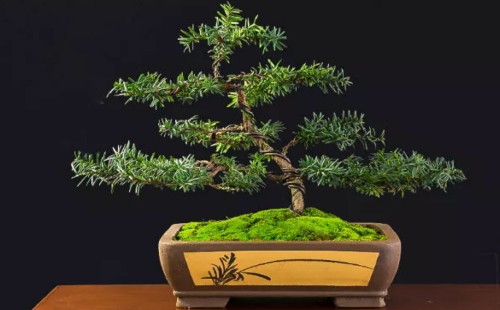
If we want to successfully rescue a yew with root rot to reduce losses, we first need to figure out the real cause of the root rot, and only then can we take the necessary measures to save it. In practice, root rot in yews mainly manifests in improper water and fertilizer management. It is generally caused by root rot from overwatering that leads to water accumulation in the pot, or from applying fertilizer at too high a concentration or using raw manure. You can judge based on these two lines of reasoning.
Now that the yew has already developed root rot, if we want it to revive smoothly, besides promptly taking scientific measures, we also need to consider the degree of damage to the plant's root system. If the damage is not severe, then handling it is relatively simple, and reviving it is also relatively easy; generally, adjusting care methods is enough for it to recover. But if the root damage area is large and the damage is deep, then it is best to promptly trim the roots and repot. And if you find that all the roots have rotted, then no one has the power to bring it back to life. Therefore, whether a yew with root rot can be rescued depends first on judging the severity of the root rot.
1. Rescue measures when root rot is mild
If only a small number of yew roots have rotted, and the degree of root rot is relatively mild like this, we can choose appropriate rescue methods by observing the plant's poor growth condition and the situation in the pot. If only a small area of the yew's branches and leaves is wilted and curled, it indicates that the root damage is relatively mild. If you still cannot be sure, you can judge by digging open some of the potting soil.
Of course, root rot caused by overwatering and root rot caused by overfertilizing should be judged separately. If you want to determine whether there has been overwatering, you can insert a dry twig or chopstick deep into the potting soil, then take it out and observe the moisture condition of the dry twig or chopstick to make a judgment. Of course, you can also judge by gently tapping the outer wall of the flowerpot and listening to the sound feedback from inside the pot. If it makes a crisp sound, it means the soil in the pot is relatively dry; if it makes a very dull sound, it means there is a relatively heavy amount of water in the pot, and water may already have accumulated and caused root rot.
If it is confirmed that the root rot is caused by overwatering leading to water accumulation in the pot, and the root rot is not deep, we can move the plant to a ventilated and higher location, then clear the drainage hole at the bottom of the pot and let the excess accumulated water drain out. After that, dig open the potting soil and make small trenches to speed up water evaporation until the excess water has all been discharged. Usually it needs to be aired for a few days, and then the trenches should be covered back up. But we can also replace the previously overly wet portion of the potting soil with relatively drier new soil, which can likewise disperse and reduce moisture.
But if the root rot is caused by overfertilizing or using raw manure, we need to open the drainage hole at the bottom of the pot, then irrigate with a large amount of water to dissolve and dilute the residual fertilizer liquid, while also discharging the excess fertilizer out of the pot. But at the same time, be careful to avoid water accumulation in the pot, otherwise it will not only fail to remove the excess fertilizer, but may even worsen the root rot.
2. Rescue measures when root rot is severe
If the yew's root rot area is large and the damage is deep, then we have no choice but to repot and replant it, because the above treatments can no longer achieve the goal of rescue. And whether the large-area root rot is caused by overwatering or overfertilizing, we should not hesitate to consider repotting and changing the soil. But before operating, we need to carry out the necessary treatment on the plant; we must not blindly repot, otherwise it may still be impossible to rescue it.
1. Heavy pruning of branches and leaves
Because the yew's root system is severely damaged, its branches and leaves will inevitably also show large-area drying and shedding, so we need to heavily prune these dried branches and leaves. This is mainly to reduce the tree's consumption of nutrients and water, and to lighten the absorption pressure on the root system. After all, in this situation its root system has already lost most of its absorption capacity.
2. Pruning the root system
In addition to reducing the pressure on the yew's root system by pruning branches and leaves, we also need to promptly carry out root trimming treatment. First, we need to cut away all the damaged parts of the root system completely, then treat it with sterilization and disinfection agents, and then apply some plant ash to the wounds to promote wound healing, while also preventing pathogens from invading the plant through the wounds.
After completing the branch pruning and root trimming treatment, we can repot the damaged yew into a new flowerpot. The soil can retain a certain degree of moisture; it is better to pot it with moist soil, avoiding the practice of potting with dry soil and then watering to retain moisture, which increases the risk of pathogen infection at the root wounds. Then move the newly potted yew to a shady place to recover. During this period, pay attention to misting to maintain moisture, but try not to water it, because after all the yew's root system has not yet healed, and if the pot is too humid and the roots are exposed to too much water, there is still a risk of pathogen infection causing continued root rot.
3. Root rot has reached the point where rescue is impossible
In the above two situations, we can promptly take scientific remedial measures to rescue the damaged yew, but by comparison the first type is less difficult to rescue and easier to bring back. As for the second situation, whether the damaged yew can be rescued often still depends partly on luck. However, besides the above situations, there is also a third situation, which is that after digging out the yew, you find that all the roots have already rotted. In this situation, it is advisable to accept it; usually no matter how you try to rescue it, it is futile, and even a deity would be powerless to reverse it. We can only plant a new yew bonsai, and in terms of care and management we must be very careful to avoid a similar tragic situation.