-
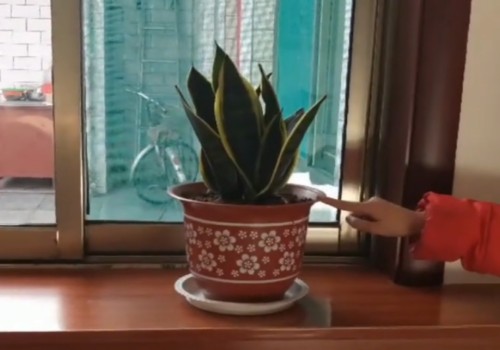
What causes root rot and yellow leaves in snake plants?
The snake plant (Sansevieria) is a common household potted foliage plant. Although it is relatively easy to keep alive, many beginners still run into plenty of problems. Among them, root rot and yellow leaves are the most common. So what is going on when a snake plant develops root rot and yellow leaves? Experienced growers know
-
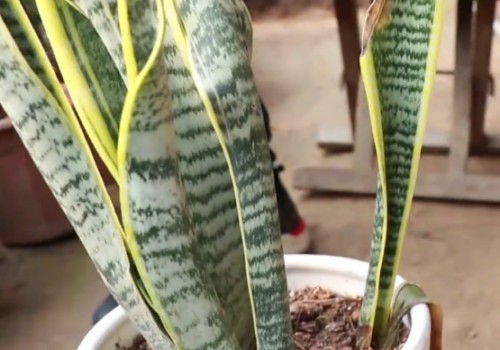
How to Handle Snake Plant Root Rot in Winter
The snake plant (Sansevieria) has very high ornamental value and is also highly effective at purifying the air. However, you need to master the right techniques during care, because if you water too much or the temperature doesn't meet its requirements, the plant is quite prone to root rot. Even in winter, many gardening friends often run into the problem of snake plant root rot. So
-
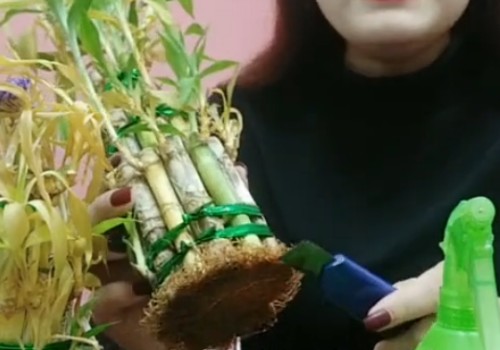
What to do when lucky bamboo roots rot and the water smells? Learn the correct way to handle it
Hydroponic lucky bamboo is best suited for growing indoors, but hydroponic lucky bamboo has a fairly common and fatal drawback: it is very prone to root rot, and then even the water turns putrid and foul-smelling. So what should you do when lucky bamboo roots rot and the water smells? After hydroponic lucky bamboo develops root rot and the water becomes foul
-
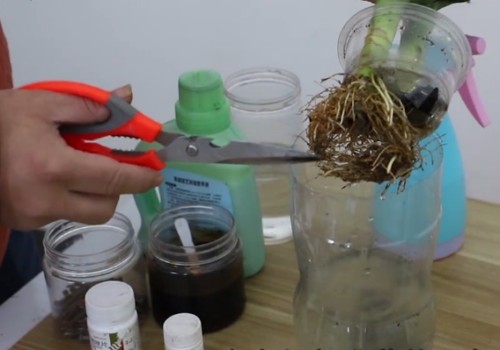
What to Do About Root Rot and Yellow Leaves on Lucky Bamboo? A Detailed Guide to the Correct Treatment
Lucky bamboo (Dracaena sanderiana) is an evergreen ornamental plant, but many growers frequently run into the problem of yellow leaves during care and maintenance. When lucky bamboo develops yellow leaves, the problem usually lies with the roots. It is mainly a case of damage caused by root injury or invasion by viruses and bacteria
-
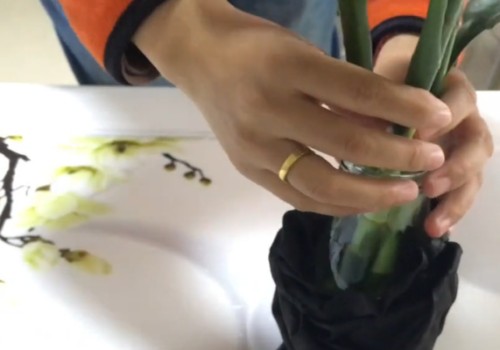
How can hydroponic lucky bamboo be made to root quickly?
Household lucky bamboo is very suitable for hydroponics. Although its growth rate and vigor are not as good as soil-cultured lucky bamboo, as long as we master certain methods, we can also make it root quickly and grow vigorously. The biggest initial problem with hydroponic lucky bamboo is solving the rooting problem, so how can hydroponic lucky bamboo root quickly? For hydroponic lucky bamboo
-
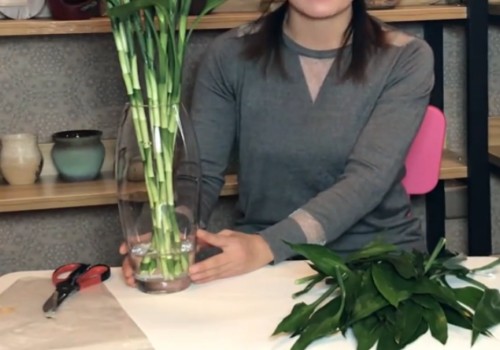
How to Make Lucky Bamboo Root Fastest in Water? Practical Methods Shared
Lucky bamboo is an evergreen plant that is very well suited to being grown in water indoors, but quite a few gardening friends find that after buying one and growing it in water for a while, the plant either fails to root, or roots and then quickly develops root rot, along with yellowing leaves. What is going on here? In fact, growing lucky bamboo in water is fairly simple
-
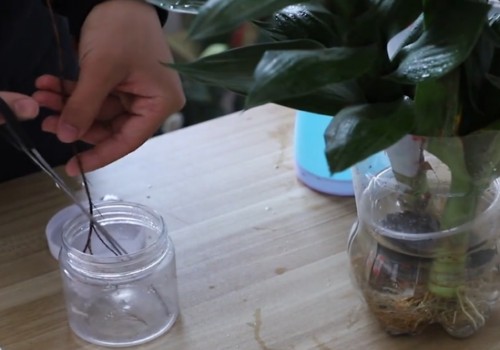
How to Grow Lucky Bamboo in Water So It Roots Quickly
In an era when growing flowers and plants is quite popular, many gardening friends will keep a pot or a stalk of lucky bamboo at home. It can be enjoyed for its beauty, decorate a space, and at the same time carry a lovely symbolic meaning. So keeping lucky bamboo at home has many benefits and is also very practical. However
-
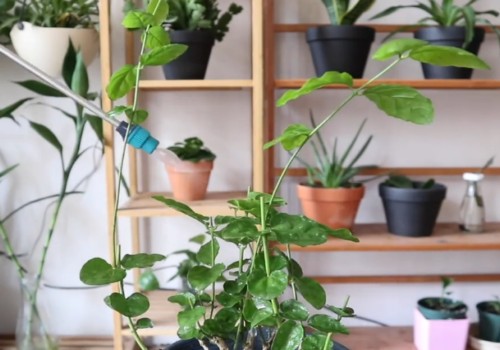
Care methods for jasmine after bare-root planting and successful establishment
Jasmine is a plant with strong vitality. Even when planted with bare roots, as long as you follow a scientific approach, it can still be grown successfully. However, because bare-root planting carries high risks, even after the plant has successfully adjusted to the pot, you still need to pay attention to care and management. Otherwise, the plant can easily show poor growth, or even die, and all your previous efforts will be wasted.
-

How to save a schefflera with root rot? Learn the correct treatment method
There is a plant known for its leaves that resemble a duck's foot, and this plant is called the schefflera. Not only that, but this plant also stays green all year round. If you grow it as a potted plant, it can not only decorate and beautify your home environment, but also purify indoor air, giving people a fresh feeling. So
-
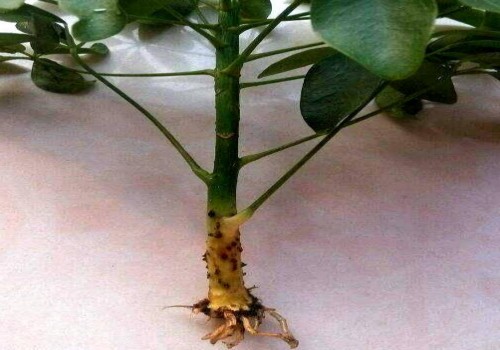
How to prevent root rot in Schefflera arboricola? These methods you need to master
Schefflera arboricola is evergreen all year round, with uniquely shaped leaves, and has extremely high ornamental value and greening and beautifying effects. Although Schefflera arboricola is relatively drought-tolerant and also likes a moist growing environment, it is not tolerant of waterlogging. If watered excessively, water accumulation in the pot will inhibit root respiration, thereby causing root rot
条件筛选