-

How to diagnose and treat chicken intestinal toxin syndrome? A detailed guide to practical methods
1. Main manifestations of chicken intestinal toxin syndrome. Decreased feed intake, slowed weight gain or weight loss. Loose, unformed feces, with undigested feed in the droppings, color turning light yellow, yellowish-white, or fish-intestine-like droppings, carrot-like droppings. A marked increase in sudden deaths before dawn, or restlessness and agitation followed by limpness and death from exhaustion. Mostly occurs around 40 days of age. It is widespread in broiler flocks whether raised on floor litter or in cages, causing huge hidden economic losses, and is often overlooked by farmers and veterinary workers
-
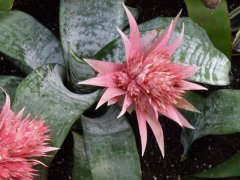
What Are Bromeliad Flowers? Introduction to Pink Pineapple, Guzmania, and Neoregelia
Below we introduce several different bromeliad flowers. Which one will you like? There is also growing information, so take a look as well. Whichever one you like, you can also grow it. Pink pineapple, this is the most popular among bromeliad flowers, especially Aechmea fascia
-
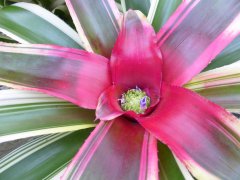
How to grow bromeliads? Master the care methods and watering tips after blooming
How do you plant bromeliads, do you know? Do you also want to grow a nice pot of bromeliads yourself? Then read the introduction below and see how bromeliads are grown. Bromeliads belong to the Bromeliaceae family, and most originate in the tropical rainforests of Central and South America. In total
-
Prevention and Control Methods and Technical Key Points for Porcine High Fever Syndrome
"Porcine unknown high fever," also known as porcine high fever syndrome, is a disease with high morbidity and mortality rates, occurring mainly in growing-finishing pigs and some sows. The main clinical manifestations in affected pigs are elevated body temperature, depression, loss of appetite or complete anorexia, difficulty breathing, panting, with some pigs showing symptoms such as reddened to purplish skin, and a few having hemorrhagic spots at the hair follicles. The pathogens are mainly mixed infections and secondary infections involving multiple viruses, bacteria, and parasites, including classical swine fever virus (HCV), porcine reproductive and respiratory syndrome virus (PRRSV)
-

How to grow a Bromeliad 'Fortuna'? Cultivation methods and precautions for ample light
At first hearing "Hongyun Dangtou," many people think it is an idiom, but it is actually also a flower. It is said that the bromeliad 'Fortuna' not only has a beautiful and varied plant shape, but its flowers are also especially gorgeous, making it an absolute great choice to grow at home. So how do you grow a bromeliad 'Fortuna'?
-
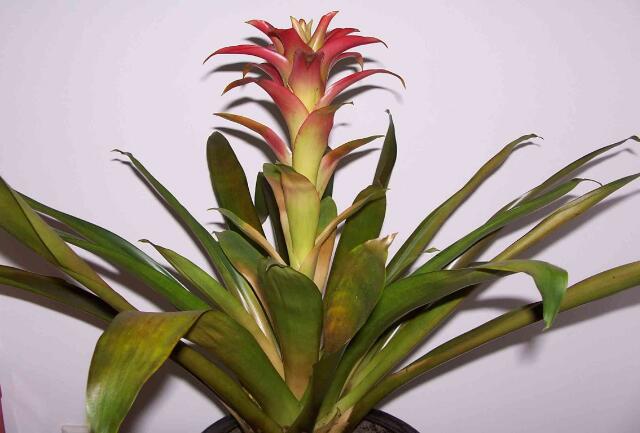
What to Do When Bromeliad Leaves Turn Yellow? 6 Solutions for Too Much Fertilizer and Too Little Light
Bromeliads, with their neat plant shape and brilliant flower colors, are excellent for indoor cultivation and are deeply loved by flower enthusiasts. However, during cultivation, due to improper care and other reasons, bromeliads may develop various symptoms, such as yellowing leaves. So what should you do when bromeliad leaves turn yellow? First, stay calm, then find the cause.
-

What to Do When a Bromeliad (Guzmania) Has Root Rot? 5 Solutions for Improper Watering and Over-Fertilizing
As a flower with an auspicious meaning and beautiful appearance, the bromeliad (Guzmania) is the first choice for many flower lovers. However, during cultivation, due to improper care, bromeliads can develop various problems, such as yellowing leaves and root rot. So what should you do when a bromeliad has root rot?
-
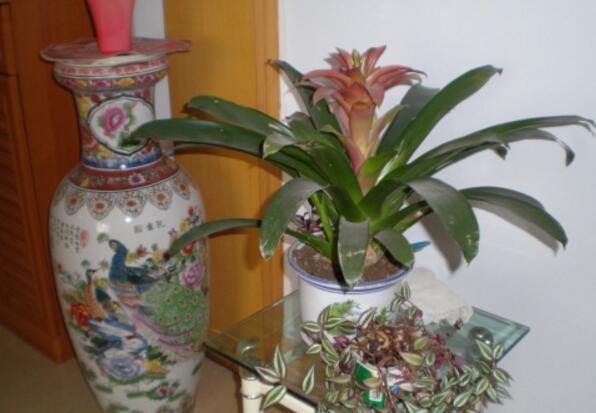
Bromeliad winter watering method: best to water and fertilize together
In flower cultivation, watering is a link that cannot be ignored. Once you get it wrong, it triggers all kinds of problems - you could say it is a real pain. And among these, watering bromeliads requires particular attention, because their roots cannot absorb water - all nutrients and moisture are absorbed through the leaves. So how do you water a bromeliad?
-
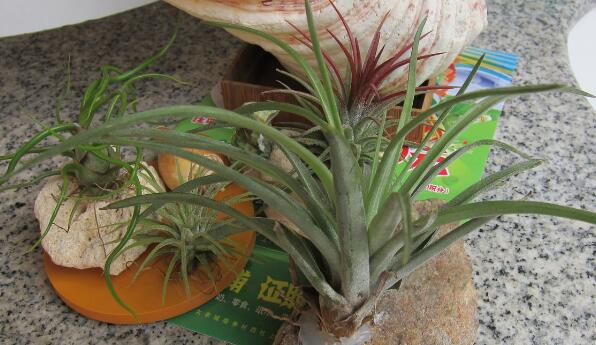
What to do when bromeliad colors fade, pay attention to 4 points to bring on a second spring / fertilize once every 2 weeks
The bromeliad is a very special and beautiful flower, and its trait of blooming only once in its lifetime makes growers treasure it immensely. The beauty of the bromeliad is 6 parts shown in its bright red leaves, but for some reasons, many growers' bromeliads' blood-red petals fade, greatly reducing their ornamental value.
-
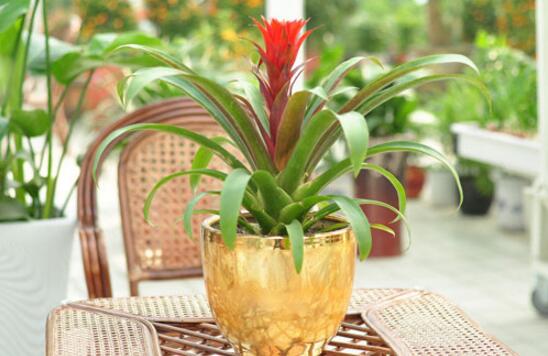
How to Grow and Care for Bromeliads: Fertilizing Matters Most
For bromeliads, I believe every flower enthusiast is familiar with them. They mainly fall into two categories: one that doesn't look great but can produce pineapples, called edible pineapple; the other that looks beautiful and can bloom but doesn't bear fruit, called ornamental bromeliad, which is the bromeliad we commonly grow indoors. So how do you grow bromeliads?
条件筛选