-
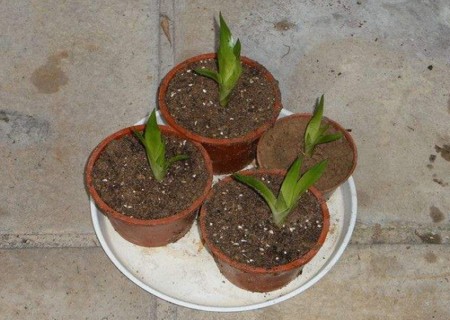
Bromeliad (Guzmania) division propagation tutorial, methods and steps explained in detail
Guzmania, as its name suggests, symbolizes "great fortune and rising step by step," and is a flowering plant that represents good luck. Because Guzmania's flowers are large and eye-catching, it is very suitable for growing as a potted plant at home, adding a great deal of peaceful festive atmosphere during the holidays. Guzmania often blooms only once in its entire lifetime
-
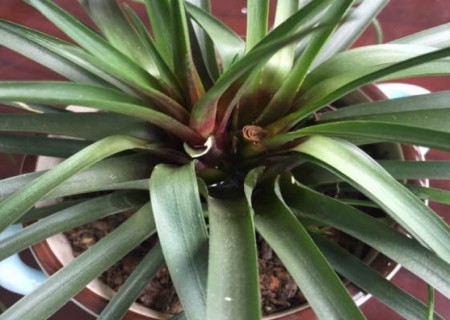
How to divide bromeliads (Tillandsia)? Detailed explanation of the division method
Bromeliads, also known as Tillandsia, are difficult to propagate from young plants by sowing seeds, so division is mostly used for propagation. When the purple or red flower spike in the center of the mother plant begins to wither, the plant will sprout young plants from the leaf axils
-
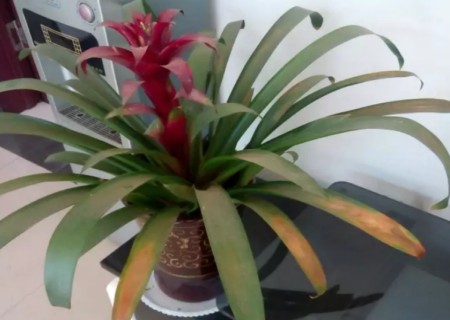
What should you do if the leaves of a lucky bromeliad potted plant turn yellow and curl?
The lucky bromeliad, also commonly known as the bromeliad, blooms at the top or middle of the plant, with lush flowers and leaves and bright red blossoms, giving off a very festive air. It is precisely because this bromeliad family plant is covered with red flowers at the top that it borrowed the idiom "Hong Yun Dang Tou" (good fortune is at its peak) for its name, meaning good luck.
-
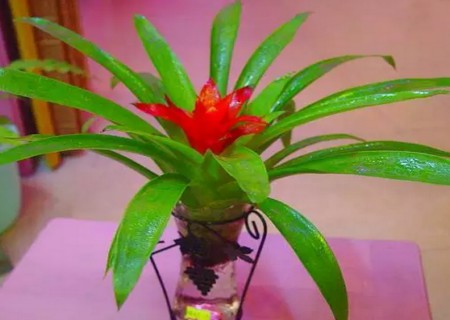
How to grow and care for a potted Guzmania bromeliad
Guzmania is a very beautiful indoor potted flowering plant that offers both attractive flowers and foliage. With its distinctive rosette growth habit, bright spike-like inflorescence and long blooming period, it has gradually become a favourite in the flower market. Its brilliant red colouring in particular gives a lively impression, making it especially suited to people who love a vibrant feel.
-
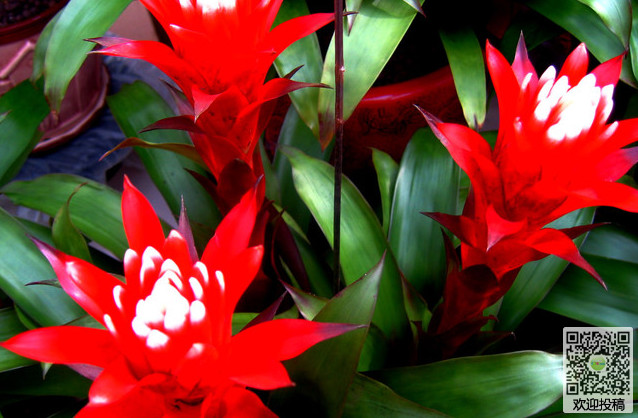
How to grow a Bromeliad (Guzmania) so it turns red? Detailed care methods
Guzmania is also known as the pineapple flower. It is an indoor ornamental flower for winter and spring. It is green all year round, with beautiful inflorescences and rich colors, and likes high temperatures, humidity and a semi-shaded habit. It can be placed in a warm, bright room all year round. Below, the editor introduces the methods for growing the red bromeliad, and hopes everyone will like it
-
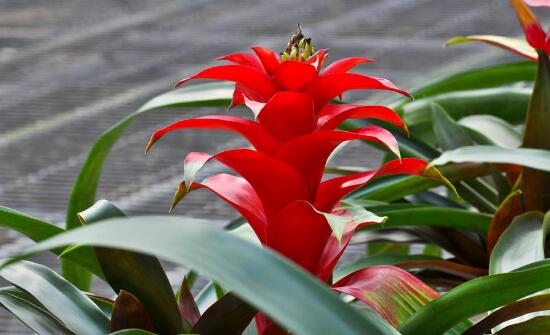
How to prevent and control common pests and diseases of the bromeliad (Guzmania)?
The most common diseases of the bromeliad are heart rot and root rot. In plants affected by heart rot, the tissue at the base of the leaf cup softens and rots, with a foul odor. In plants with root rot, the root tips turn blackish-brown or rot. Poor drainage of the growing medium or overwatering, water pH that is too high, poor ventilation during seedling packaging, and seedlings left piled up too long before planting
-

A detailed guide to propagating the Bromeliad 'Flaming Torch' - easy to learn at a glance
1. Division propagation: After the Bromeliad 'Flaming Torch' plant blooms, 1 to several offsets will grow from the base of the mother plant. When the offsets grow to 1/3 to 1/2 the size of the mother plant, use a small knife to cut them away from the base of the offset, remove the lower leaves, let the cut surface dry, and insert them into a pot filled with an equal-parts mixture of leaf mold and plain sand.
-
How to Propagate Bromeliads: Division Steps and Whether Division Is Necessary
(1) Offshoot propagation. When the offshoots at the top of the fruit, at the stem base, or at the roots of the bromeliad grow to 10 cm long, use a scraper to cut at the point where they connect to the mother plant, peel off the lowest leaves of the shoot, let it dry for about a day, and then plant it in growing medium. The planting depth should not exceed 1/5 of the total length of the shoot.
-
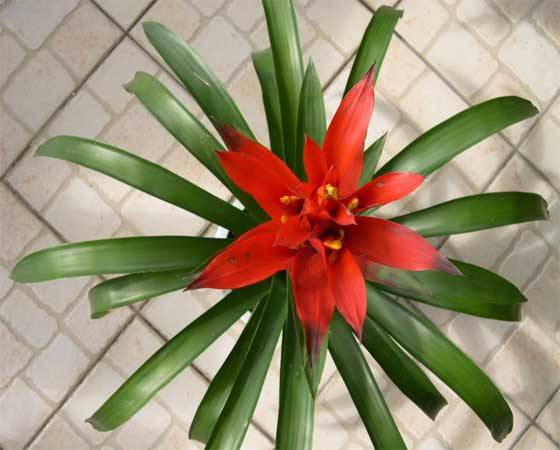
How to care for a Bromeliad 'Fortuna'? Master these care tips
1. Beautiful flowers are indeed a bit more delicate. In dry, stuffy, or low-temperature conditions, the leaf edges and tips of the Bromeliad 'Fortuna' easily develop scorch marks, so keep the potting soil moist, spray clear water on the leaves 1-2 times a day, and the cup-shaped part in the center of the leaf rosette can be filled with clear water
-
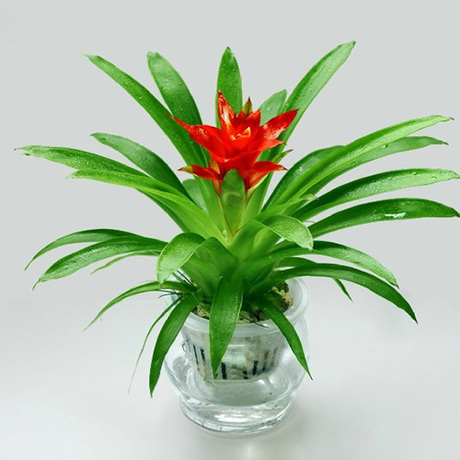
How to Grow Bromeliads and a Gallery of Pictures
Everyone has eaten a pineapple, right? The bromeliad looks quite similar to a pineapple. It belongs to the genus Billbergia in the family Bromeliaceae, native to the forests from Mexico to southern Brazil and northern Argentina, with about 50 species, mostly terrestrial. The leaves are sickle-shaped, with the upper part slanting downward, arranged in groups of 5 to 8 in a tubular rosette. Everyone has eaten a pineapple, right? The bromeliad looks quite similar to a pineapple. It belongs to the genus Billbergia in the family Bromeliaceae, native to the forests from Mexico to southern Brazil and northern Argentina, with about 50 species, mostly terrestrial. The leaves are sickle-shaped, with the upper part slanting downward, arranged in groups of 5 to 8 in a tubular rosette. The leaves grow in a basal rosette, hard and leathery, strap-shaped and curving outward; some leaves have dark green horizontal stripes, some are brown with green water-mark patterns, and others are green with dark green spots. Especially near the flowering season, the leaves at the center turn bright dark red or pink, or the whole leaf turns dark red, or only the tip turns red. The leaf margins have fine sharp teeth, and the leaf tips have spines. The flowers are mostly sky blue or pale purplish red. Growing habits: it likes at least 3 hours of full sunlight per day, but also tolerates partial shade; in summer it likes cool, ventilated conditions, and can also tolerate a slightly dry climate. Common varieties include Billbergia elegans, Billbergia pyramidalis, Billbergia nutans, and Billbergia 'Maidens' Tears'. The soil should be an acidic sandy loam rich in humus with good drainage. Now the editor of Yiqiwang will introduce the bromeliad.
条件筛选