-

What is the difference between Cibotium barometz and Cibotium barometz rhizome?
Scientific name: Cibotium barometz Aliases: Cibotium barometz rhizome, yellow dog head, monkey hair head Family and genus: Belongs to the family Dicksoniaceae, genus Cibotium Plant type: Large perennial herbaceous terrestrial fern Morphological characteristics: The plant can reach up to 3 m in height. The rhizome is thick and fleshy, growing upright or lying horizontally on the soil surface, and it and the base of the leaf stalks are densely covered with long golden-yellow hairs, shaped like a dog's head, hence the name. At the top, leaves grow in clusters; the leaf stalks are thick and long; the leaf blade is broadly ovate-triangular, with length and width almost equal, tripinnatifid, and the ultimate segments are falcate-lanceolate,
-
The previous batch of pigs had blue ear disease (porcine reproductive and respiratory syndrome). How should the pen be disinfected?
1. Cleaning and washing. Remove all contaminants and bedding from the pen, and sweep down the dust from the ceiling as well. Then pile it all together to ferment. Then rinse thoroughly with clean water. 2. Disinfection of the floor and walls. For the floor, use caustic soda or sodium hydroxide. For the walls, spray with iodine-based or chlorine-based preparations. 3. For metal equipment that is not afraid of heat but is afraid of corrosion: use a blowtorch (alcohol blowtorch, kerosene blowtorch). 4. For enclosed pens: fumigation. Peracetic acid, formaldehyde, or potassium permanganate can all be used. After sealing for 2 hours, ventilate for 7-10 days. Basically it takes half a month.
-
Latest Research Progress on Porcine High Fever Syndrome
The "high fever syndrome" that first broke out in southern China in the summer of 2006 has not yet subsided, and it is currently the issue of greatest concern to us pig farmers. Some readers have also called our editorial office to inquire about research progress on the disease! At the "Beijing Animal Husbandry Association Pig Industry Annual Meeting", Academician Chen Huanchun of Huazhong Agricultural University and Professor Yang Hanchun of China Agricultural University were invited to each express their personal views on the currently prevalent "high fever syndrome". 1 Epidemic situation First, geographically
-
Characteristics and Cultivation Techniques of Smooth Brome
Smooth brome, also called awnless brome or awnless grass, is currently the most widely cultivated bromegrass forage in China. It is a perennial herbaceous plant with upright stems and a well-developed root system. Its notable features are: it has short rhizomes and closed leaf sheaths. This is the main characteristic that distinguishes it from many other forage grasses. Smooth brome is particularly suited to cold, dry climates and is not suited to high-temperature, high-humidity areas; its optimum growth temperature is 14-25°C. Its cold resistance is extremely strong; it can still grow normally in places where winter temperatures drop to -30°C, and under snow cover in Northeast China it can withstand low temperatures of -4
-
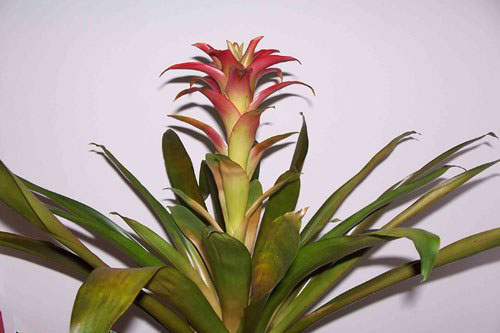
What causes yellowing leaves on bromeliads?
Bromeliad is generally short for ornamental bromeliad, and it is a fairly well-known holiday flower. Many gardeners find that after keeping a bromeliad at home for a while, its leaves turn yellow, and they do not know what has gone wrong with the bromeliad. After reading this article, gardeners will understand. The bromeliad is actually the pineapple.
-
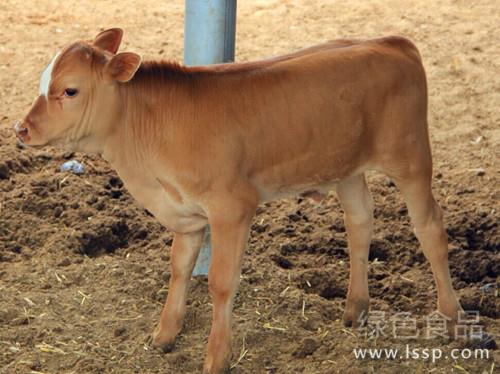
How to prevent and treat bovine respiratory distress syndrome in calves? Causes such as premature birth and hypoxia are complex
Complex causes such as premature birth and hypoxia: prevention and treatment of bovine respiratory distress syndrome in calves
-
Introduction to Bromegrass and Rescuegrass Forage Varieties
Mountain brome is a bunch-type perennial forage grass with tall plants, many leaves and high yields, but it has a short lifespan (usually useful for 2-3 years). It is suited to warm, humid regions, has poor cold and heat tolerance, and is not drought tolerant. Rescuegrass is an annual or short-lived perennial forage grass with many leaves in a leafy clump, and plant height can reach 0.8-1.2 m. It has relatively good heat tolerance but is not frost tolerant, and it adapts to warm, humid subtropical winters. Its yield is similar to that of mountain brome, and it can be sown in mixtures with clover, ryegrass
-
Diagnosis, Treatment, and Prevention of Porcine Reproductive and Respiratory Syndrome
Porcine reproductive and respiratory syndrome (PRRS), also known as swine blue ear disease, is caused by the porcine reproductive and respiratory syndrome virus in the family Arteriviridae. The form of harm caused by this disease has shifted from being mainly reproductive disorders in sows to being mainly respiratory syndrome in nursery pigs. The disease was introduced into China from abroad and is an infectious disease that severely affects the pig farming industry. Its clinical symptoms are mainly characterized by reproductive disorders, difficulty breathing, blue-purple ears, and concurrent other infectious diseases. The disease currently presents new clinical symptoms, such as eyelid edema, subcutaneous edema, thickened skin on the ears, intense itching of the mouth and nose, diarrhea,
-
What kind of grass is California brome? Characteristics and traits introduction
California brome is a perennial, bunch-type forage grass with broad and long leaves that are gray-green and a high leaf-to-stem ratio. Its biggest morphological difference from smooth brome is that it has no underground rhizomes. California brome has similar soil requirements to smooth brome, and its cold resistance is slightly worse than that of smooth brome, but its heat resistance is clearly higher than that of smooth brome, and most varieties can be used for 6-8 years. California brome has a high leaf-to-stem ratio, and its forage quality is better than that of smooth brome, while its yield is similar to that of smooth brome. California brome is suitable in eastern China
-
How to prevent and treat highly pathogenic porcine reproductive and respiratory syndrome (PRRS)? A detailed explanation of the technical key points
This disease is a severe viral disease of pigs that has emerged in recent years, an acute highly lethal epidemic disease caused by a variant strain of porcine reproductive and respiratory syndrome virus. The virus is extremely contagious. In infected pig farms, the morbidity rate of piglets can reach 100%, the mortality rate can reach more than 50%, and the abortion rate of sows can reach more than 30%. It is also characteristic that growing-finishing pigs can develop the disease and die. 1. Pathogen: The pathogen of this disease is porcine reproductive and respiratory syndrome virus, caused by Lelystad virus. 2. Epidemiology
条件筛选