-
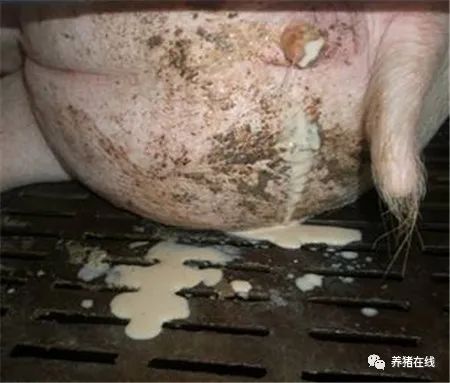
-
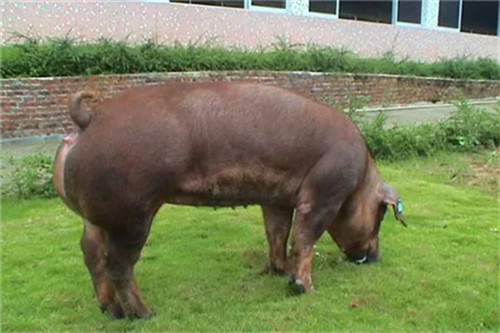
Symptoms and Prevention and Treatment Methods of Porcine Reproductive and Respiratory Syndrome
Porcine Reproductive and Respiratory Syndrome
-

Symptoms and prevention and treatment methods of porcine reproductive and respiratory syndrome (PRRS), explained clearly in one go
These are the real symptoms and prevention and treatment methods of PRRS, stop getting it wrong!
-
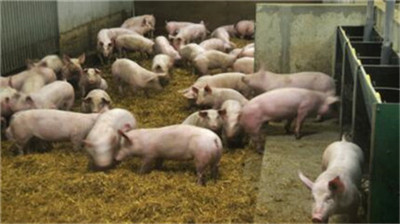
Causes of Second Parity Syndrome in Sows and Its Impact on Pig Farm Economic Benefits
Causes of Second Parity Syndrome in Sows and How It Affects Pig Farm Economic Benefits!
-
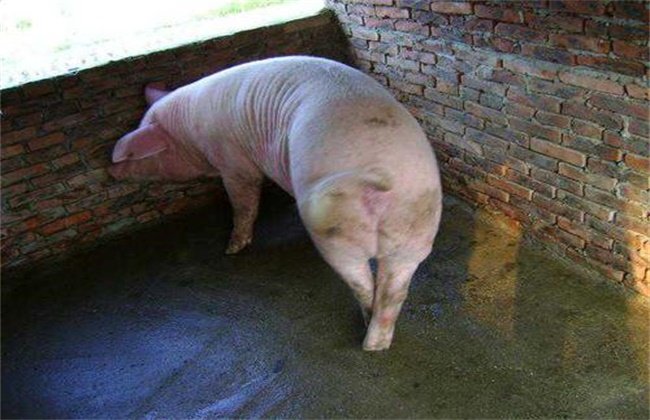
Detailed Explanation of Prevention and Treatment Methods for Sow Emaciation Syndrome
Prevention and Treatment Methods for Sow Emaciation Syndrome
-

How to prevent and treat sudden death syndrome in laying hens? A detailed guide to practical measures
Prevention and control measures for sudden death syndrome in laying hens
-
What are the treatment methods for bovine nutritional exhaustion syndrome?
Bovine nutritional exhaustion syndrome generally occurs frequently in winter and becomes dangerous in spring. Especially since last winter and this spring, the Jiangnan region has experienced prolonged rain, cattle have had little grazing time and too long housing time, leading to a higher incidence and wider scope this spring. Affected animals lose their economic value, seriously affecting farmers' spring plowing and draft use. 1 Etiology Bovine nutritional exhaustion syndrome differs from acute failure of a specific organ such as heart failure or kidney failure. Its root cause is a negative balance between nutritional supply and consumption in the body, leading to accelerated decomposition and severe depletion of stored fat, protein and glycogen
-
Comprehensive Prevention and Control Methods and Technical Key Points for Porcine Respiratory Disease Syndrome
This disease is characterized by occurring throughout the year, in an endemic pattern, affecting pigs of all ages, mostly at 13-20 weeks of age, with a course of 2-8 days and a relatively high mortality rate. Symptoms: affected pigs show elevated body temperature of 40.5°C-42°C, depression, reduced or absent appetite, difficulty breathing, sometimes coughing, pale visible mucous membranes, pale or purplish skin, constipation or diarrhea, abortion and stillbirth in pregnant sows, and neurological symptoms in suckling piglets with high mortality. Pathological necropsy: necropsy of 6 dead pigs and 2 severely ill
-
Symptoms and Prevention Methods of Porcine Subhealth Syndrome
In actual production management on pig farms, managers and technical staff generally pay more attention to the treatment and prevention of diseases, while paying insufficient attention to chronic wasting diseases such as pig parasites. Over many years of production practice, we have found that, in addition to the above factors, porcine subhealth syndrome - a critical state between health and disease - will, now and for a relatively long period in the future, together with virulent viral diseases, become the greatest enemy harming the pig industry. If pig farm managers do not pay close attention, it will seriously
-
What are the treatment methods for wet belly disease (urine-soaked fur syndrome)?
(1) Clinical symptoms: Affected animals are mostly malnourished, with pale visible mucous membranes, frequent but not straight urination, dribbling urine, and the fur around the urethral opening soaked with urine; in severe cases almost the whole body is soaked, and in long-term cases the urine damages the skin, causing skin redness, swelling, erosion and ulcers, hair loss, and skin necrosis. (2) Treatment methods: Reduce the fat content in the diet, absolutely do not feed feed containing rancid fat, increase the amount of carbohydrate feed, and provide sufficient drinking water. When the disease occurs in a large group, the feed must be changed, and the supply of milk, eggs, yeast and
条件筛选