-
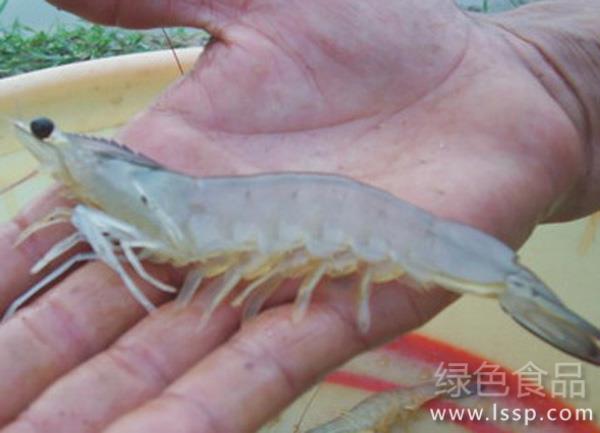
Soft-shell syndrome in prawns occurs at a high rate; how can it be prevented and treated in farming?
Prevention and treatment of soft-shell syndrome, which prawn farming is prone to
-

New breakthrough in the treatment of self-biting syndrome in foxes, raccoon dogs and minks
Self-biting syndrome is a common disease of captive fur-bearing animals such as foxes and minks. In recent years, it has occurred in many farms and households in China, causing great economic losses. There had been no specific prevention or treatment measures for this disease, and the key point was that the cause had not been identified. Regarding the cause, people had put forward many hypotheses or claims, but these had not truly served to guide prevention and treatment. Since the early 1990s, researchers have carried out some research work on the cause of the disease. In the course of research and experiments, the cause of self-biting syndrome was identified,
-
What are the causes and stress factors of swine high fever syndrome?
Causes: Swine high fever syndrome is essentially a swine disease caused by mixed infection with multiple viruses, bacteria and protozoa triggered by immunosuppressive swine diseases. Biological factors: mixed infection with pathogens such as classical swine fever virus, circovirus, porcine reproductive and respiratory syndrome virus, pseudorabies virus, Eperythrozoon, Toxoplasma, Streptococcus, Salmonella paratyphi, Mycoplasma, Actinobacillus pleuropneumoniae, Haemophilus parasuis and Pasteurella. There can be more than 15 kinds of pathogens, among which classical swine fever virus has the highest infection rate and is the most typical; mixed infection with Toxoplasma, Eperythrozoon, porcine reproductive and respiratory syndrome virus, circovirus and classical swine fever virus is common, and there is also mixed infection of classical swine fever virus with piglet paratyphoid bacillus, often dominated by classical swine fever virus, together with one or more than two kinds of viruses, bacteria and protozoa, so the mortality rate is high, the cure rate is low, and it may even wipe out the whole herd.
-
How to diagnose and prevent sudden death syndrome caused by Clostridium welchii in pigs?
Sudden death syndrome caused by Clostridium welchii in pigs, also known as pig red intestine disease, is an enterotoxemia in pigs caused by Clostridium welchii types A, C and D. 1. Onset symptoms The disease generally has no premonitory symptoms and presents as sudden death. Some affected pigs may also be seen before death with mania and restlessness, ataxia, hoarse squealing, abdominal distension, difficulty breathing, sudden collapse, frothing at the mouth, muscle tremors, paddling of the limbs, pale skin, opisthotonus, and death within 1 to 3 hours. 2. Pathological changes Dead pigs are in good body condition, with complete rigor mortis
-
Symptoms and Prevention Methods of Duck Arthritis Syndrome
1. Main symptoms. Sick ducks mainly show joint swelling, most commonly in the hock joint, followed by the knee joint, hip joint and toe joints. The affected joints are swollen and purplish-red, feel hot on palpation, are relatively soft at the beginning and then gradually harden, with severe lameness or inability to walk, reduced feed intake, gradual weight loss and increased mortality. 2. Preventive measures. The disease is associated with a variety of bacterial infections, such as Staphylococcus, Salmonella, Riemerella anatipestifer, etc. In the feeding system, the "all-in
-
What exactly is dog hand fear syndrome
When dealing with dogs, the handler should try to play only the role of showing affection and giving commands. And must never leave the dog with any impression of threat or intimidation. Now let us talk about dog "hand fear syndrome." This "hand fear syndrome" in dogs is caused by improper hand movements by the handler during daily training, which create an impression of danger and fear in the dog. So much so that afterward every gesture of the handler, whether it is a command given to it or an expression of affection, makes the dog feel frightened and uneasy, and some dogs, as soon as they see a gesture from the handler or other people,
-
Diagnostic Key Points and Treatment Methods for Chicken Intestinal Toxemia Syndrome
Due to abnormal climate changes, the temperature difference between day and night varies greatly, and broiler and layer chickens often develop intestinal toxemia syndrome characterized by diarrhea, undigested feed in the feces, a significant drop in feed intake, slow growth, weight loss, dehydration and a decline in feed conversion efficiency. I. Clinical symptoms The flock is still in fairly good spirits, but grows slowly, and the combs are pale. Some diseased chickens pass white strip-like or mucus-like feces containing undigested feed, and the feces are slightly yellow. A few chickens show listlessness, head retraction, head tremor, running about restlessly and easy startling,
-
Key Points for Preventing and Treating Chicken Intestinal Toxemia Syndrome in Late Autumn
In late autumn, the climate changes abnormally, with large temperature differences between day and night. Broiler chickens and laying hens often develop intestinal toxemia syndrome, characterized by diarrhea, undigested feed in the droppings, a marked drop in feed intake, slow growth, weight loss, and dehydration. Necropsy of dead chickens reveals brain fluid in the head, reddened thymus in some birds, swelling of the duodenum, and thickening of the intestinal wall, which feels very hard to the touch. There is no feed in the intestinal tract, the intestinal mucosa has sloughed off in large amounts, and some intestinal segments contain frothy material and tomato-like droppings. The gallbladder becomes smaller and pale yellow,
-
Wet urine syndrome in foxes is a disease with a relatively low incidence rate
Foxes also suffer from wet urine syndrome, but the incidence rate is usually relatively low, with the onset period mainly from July to September. The incidence rate is higher in male foxes than in female foxes, and growing foxes with fast growth rates as well as lactating female foxes are also susceptible to this disease. It is generally believed that the occurrence of this syndrome is related to oxidative deterioration of feed, excessively high fat content in feed, and deficiency of vitamin B1, E, A and choline chloride. When wet urine is found in foxes, first investigate whether there have been any problems with the feed recently. If the feed indeed has problems in quality and other aspects, immediately change or replace or adjust the feed composition, ensure freshness, and supplement vitamin B1,
-
How to Prevent and Treat Porcine Unknown High Fever Syndrome? A Detailed Guide to Practical Methods
"Porcine unknown high fever," also known as porcine high fever syndrome, is a disease with both high morbidity and high mortality, occurring mainly in growing-finishing pigs and some sows. The main clinical signs in affected pigs are elevated body temperature, listlessness, poor appetite or complete loss of appetite, difficulty breathing and panting; some pigs also show reddened to purplish skin, and a few have bleeding points at the hair follicles. The pathogens are mainly mixed infections and secondary infections involving multiple viruses, bacteria and parasites, including classical swine fever virus (HCV), porcine reproductive and respiratory syndrome virus (PRRSV), swine influenza virus (SI
条件筛选