-
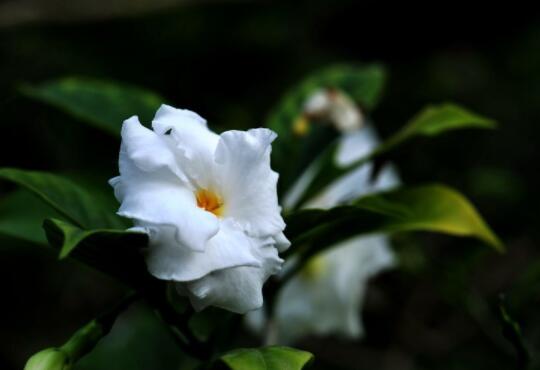
What to do when the leaves of the Tabernaemontana divaricata turn yellow? Just control the temperature, apply light fertilizer, replenish water and light.
Tabernaemontana divaricata is a flowering plant with very high ornamental value, and it can be seen in every province and region in southern China. However, no matter how ornamental a plant is, if its leaves turn yellow, it will also affect its overall beauty. So what should be done when the leaves of Tabernaemontana divaricata turn yellow? Below, the editor will walk everyone through it.
-
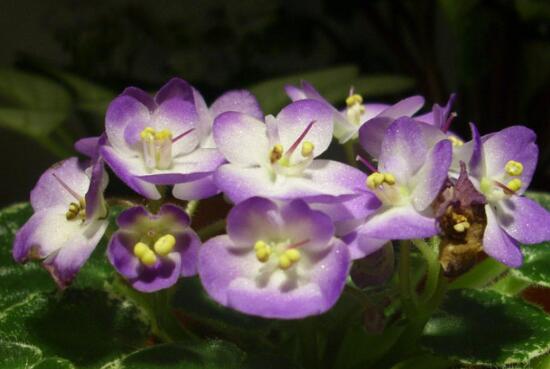
What to Do When African Violets Won't Bloom? Sufficient Light Is Needed for More Flowers
As a common ornamental flower, the beauty of the African violet is beyond doubt. Its leaves are emerald green, and its flowers are rich and vivid in color, making it extremely pleasing to the eye when grown indoors. But as people care for them, many flower lovers find that their plants simply won't bloom. So what should you do when African violets won't bloom? Only with more flowers is their ornamental value higher.
-
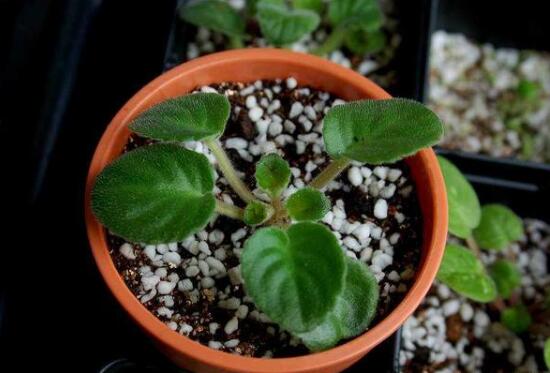
What to do when African violet leaves turn yellow? Supplement light, stop watering, and change the potting soil
The African violet (Saintpaulia ionantha) is one of the flowers most loved by gardening enthusiasts. Its blooms are small and dainty, and its flower colors are rich and varied, looking incomparably beautiful set off against a mass of emerald-green leaves. So when yellow leaves appear, all of this beauty is spoiled, and gardeners must be very anxious! So what should you do when African violet leaves turn yellow?
-
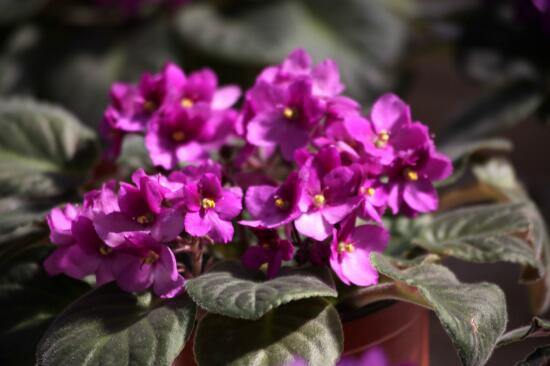
How to care for African violets in winter? Give them more sun and raise the temperature
When growing plants indoors, the thing to fear most is winter, and African violets are no exception. Once the ambient temperature is too low, they will suffer frost damage or even freeze to death. So how do you care for African violets in winter? In order for African violets to overwinter safely
-
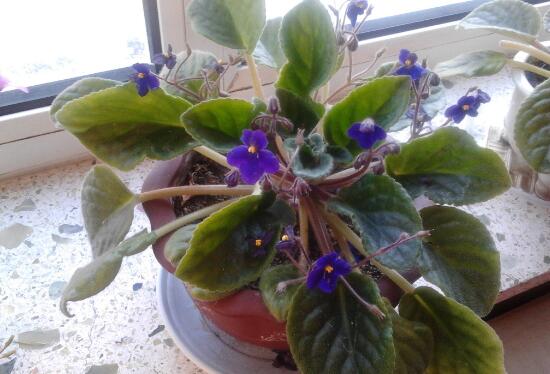
How do you water an African violet? Water once every 3-7 days
When growing African violets indoors, watering is the thing gardeners love to do most. If you're an old hand, that's fine - you'll water in real time according to the plant's growth state; but if you're a beginner, it's not so easy. How often to water an African violet and how much water to give are things you have no concept of at all. So how do you water an African violet?
-
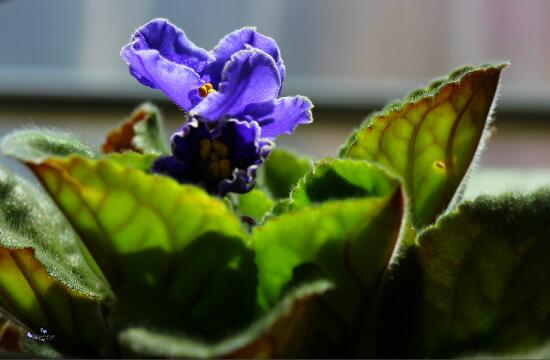
How to grow African violets? Detailed guide to growing methods and precautions
African violets, anyone who has seen them should be deeply impressed. Their flowers are small and delicate, with rich and varied colors, and they are highly ornamental when grown indoors. In daily life, because African violets look beautiful, many people want to grow them, so how do you grow African violets?
-
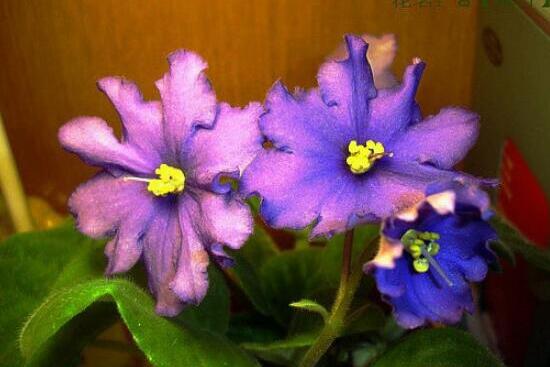
How to fertilize African violets? Light, frequent feeding lets them bloom all year round
African violets are a flowering plant very well suited to indoor growing; they are not only good-looking but also help purify the air and beautify the home. However, to bring out the full benefits of African violets, proper fertilizing is key, as it can keep them blooming all year round! So how do you fertilize African violets?
-

How to grow the African Tulip Tree? Read this and you will understand
1. Sunlight and temperature. The African Tulip Tree is native to Africa and is a sun-loving plant that tolerates drought and high temperatures and is not afraid of strong light. Its suitable growing temperature is between 20 and 30 degrees. It should be noted that when the African Tulip Tree blooms, if the temperature is not high, the number of flowers will be few. 2. Soil. The African Tulip Tree has strong adaptability
-
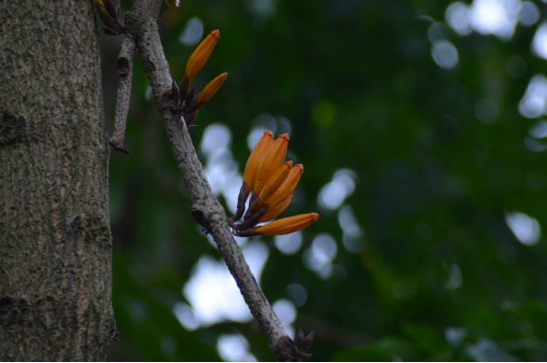
Cultivation methods and precautions for the African tulip tree
I. Soil The African tulip tree prefers fertile soil with a deep soil layer, ideally neutral or slightly acidic soil with good drainage. Although the African tulip tree is native to the tropics and has strong tolerance to poor soil, we still need to apply a certain amount of base fertilizer when planting it. II. Light and temperature The African tulip tree likes light
-
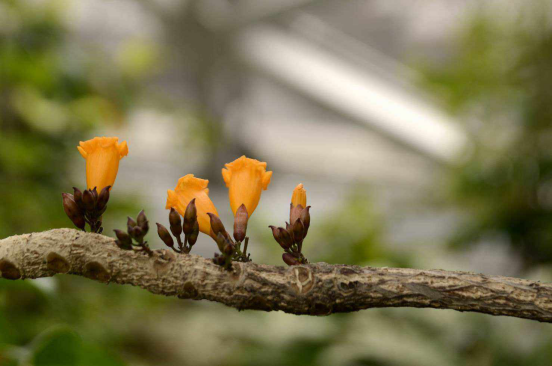
How to grow Spathodea campanulata (African tulip tree)? Detailed guide to care precautions
I. Common diseases Damping-off is the most important disease of Spathodea campanulata (African tulip tree), occurring mainly during the rainy spring season and causing severe damage. Both mature Spathodea campanulata trees and seedlings are affected by this disease. The main symptom is the appearance of dark brown lesions on the affected parts.
条件筛选