How to fertilize African violets? Light, frequent feeding lets them bloom all year round
African violets are a flowering plant very well suited to indoor growing; they are not only good-looking but also help purify the air and beautify the home. However, to bring out the full benefits of African violets, proper fertilizing is key, as it can keep them blooming all year round! So how do you fertilize African violets? Let's take a look at African violet fertilizing methods together.
I. How to fertilize African violets
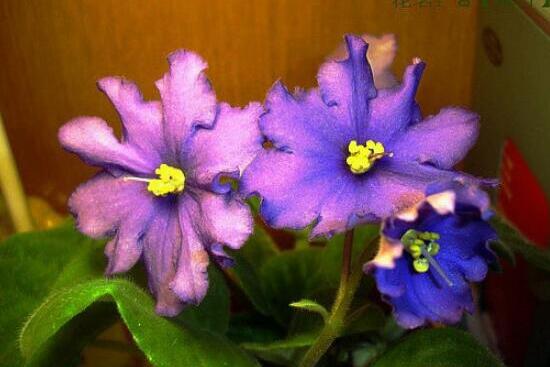
When fertilizing African violets, the fertilizer used differs at different growth stages: at the seedling stage, use a fertilizer with a relatively high nitrogen content; during the growing period, apply a balanced nitrogen-phosphorus-potassium solution; before blooming, apply a fertilizer with high phosphorus content; during the blooming period, phosphorus and potassium fertilizers are needed, and do not apply too much nitrogen fertilizer. Fertilizing this way can keep African violets blooming all year round.
II. African violet fertilizing methods
(1) What fertilizer to use for African violets
Because African violets have a relatively shallow and weak root system, they are not very suited to farmyard manure or organic fertilizer. Suitable fertilizers for them are: urea, ammonium nitrate, monopotassium phosphate, etc. These fertilizers can be used alone or combined with trace elements; the specific choice varies depending on the growth stage.
(2) Fertilizing at different growth stages
1. Leaf-cutting stage
The most commonly used propagation method for African violets is leaf cuttings, and during the leaf-cutting stage you can use a vitamin B solution, which helps promote rooting and sprouting.
2. Seedling stage
After African violet leaf cuttings have rooted and the seedlings have been transplanted, do not fertilize for one month, otherwise the seedlings may easily rot; afterwards you can use a fertilizer with relatively high nitrogen content, which promotes leaf growth and gives them a glossy look; as the African violet grows, you can apply a balanced nitrogen-phosphorus-potassium solution.
3. Before blooming
When African violets have grown and are entering the blooming period, you can use a fertilizer with high phosphorus content, which promotes flower bud differentiation and makes them bloom earlier. At this time, apply liquid fertilizer once every 10-20 days or so.
4. Blooming period
After African violets enter the blooming period, apply phosphorus and potassium fertilizers, and do not apply too much nitrogen fertilizer, otherwise it will not only cause the leaves to grow wildly but also cause a failure to bloom. When fertilizing at this time, you can use a spray bottle to mist the leaves or water the pot, which better promotes absorption.
III. What to do if African violets are over-fertilized: flush with water
For beginners, over-fertilizing often happens when feeding African violets. So what should you do if African violets are over-fertilized? At this point, water the African violets thoroughly so the water carries the fertilizer out; at the same time, move the plant to a ventilated, shady spot and let it slowly recover, and only start fertilizing again once the temperature is above 20°C.
That is all for the African violet fertilizing methods. After reading this, you should feel more confident about growing African violets! Overall, growing African violets is not hard; the difficulty lies in the details. Whether watering or fertilizing, you must use the right amount, neither too much nor too little. Only then can you grow a beautiful pot of African violets!
A brief discussion of African violet fertilizing issues: how do you fertilize African violets?
African violets are also called African violets (African violet, Saintpaulia); for beginner flower lovers who do not know how to fertilize them, Zuihua Web below discusses African violet fertilizing issues based on the fertilizing experience of flower lovers. African violets need fertilizer during growth and blooming; it is best to supplement with liquid fertilizer about once every 10-20 days. When entering the blooming period, supplement with phosphorus and potassium fertilizer; if there is too much nitrogen fertilizer, it instead promotes lush leaves without blooming. Because African violets have weak, shallow roots, they are not suited to concentrated fertilizer; use small amounts more often. They are also not suited to organic fertilizer. You can use chemical fertilizers such as urea, ammonium nitrate, and monopotassium phosphate, either alone or combined with trace elements. Generally, the concentration for foliar spraying does not exceed 0.1%, and the concentration for watering the substrate does not exceed 0.4%.In addition, fertilize according to the different growth stages of African violets. The principle of fertilizing is to apply a fertilizer with high nitrogen content when they are small seedlings, then a balanced nitrogen, phosphorus, and potassium fertilizer, and before blooming a fertilizer with high phosphorus content. The concentration should be lower than the specified concentration; do light, frequent feeding, and note that the smaller the seedling, the weaker the fertilizer should be. Next, the rooting stage, such as propagation, transplanting, and repotting. Just after handling, because there are no roots or the roots are damaged, absorption is poor, so it is not suitable to fertilize immediately; wait 2-4 weeks before fertilizing. A fertilizer with relatively high nitrogen and potassium content is suitable. Then there is the vegetative growth stage, such as from seedling growth to before blooming and after the blooming period. A fertilizer with relatively high nitrogen content is suitable. The blooming period generally starts about 2 months before the expected bloom. A fertilizer with relatively high phosphorus content is suitable.
Fertilizing precautions: African violet fertilizing must be light, otherwise the leaves will be burned; if there are scorched dark spots on the leaves, that means they have been burned by fertilizer. A very weak fertilizer is enough; spray once every half month or once a month. You can also use granular slow-release fertilizers such as Magic Fertilizer; putting in 2 or 3 granules can last several months. But for plants 1-2 years or older, between 15-26°C they need root trimming or root cutting and soil replacement, and enclosed growing to let them grow new roots and absorb more nutrients, so that next year they will repay you with more and better flowers.
Summary: The above is knowledge about African violet fertilizing. We hope it helps everyone care for African violets.
How to fertilize African violets
Fertilizer choices for African violets
Because African violets have shallow and relatively weak roots, they are not suited to concentrated fertilizer or organic fertilizer. Stick to the principle of light, frequent feeding, with small amounts more often. It is suitable to choose urea, ammonium nitrate, monopotassium phosphate, etc. for fertilizing, either alone or combined with trace elements. The concentration for foliar spraying does not exceed 0.1%, and the concentration for watering the substrate does not exceed 0.4%.
African violet fertilizing methods
The principle of fertilizing is: at the African violet seedling stage, apply a fertilizer with relatively high nitrogen content; as it gradually grows, apply a balanced nitrogen, phosphorus, and potassium fertilizer; note that the smaller the seedling, the weaker the fertilizer applied should be. During the leaf-cutting stage of African violets, you can use a vitamin B solution, which helps promote rooting and sprouting. Remember that within one month after transplanting the seedlings you must not fertilize, otherwise the seedlings may easily rot; afterwards use a fertilizer with relatively high nitrogen content to promote leaf growth and give them a glossy look. After the seedlings grow, the fertilizer applied needs a balanced nitrogen-phosphorus-potassium ratio to promote plant growth. When the African violet plant matures and enters the blooming period, you should use a fertilizer with high phosphorus content to promote flower bud differentiation and earlier blooming. Generally, apply liquid fertilizer once every 10-20 days or so, and before blooming apply a fertilizer with high phosphorus content. After entering the blooming period, phosphorus and potassium fertilizers are needed; do not apply too much nitrogen fertilizer, otherwise the leaves will be lush but it will not bloom. You can use a spray bottle to mist the leaves or water the pot, which better promotes absorption.