How to grow African violets? Detailed guide to growing methods and precautions
African violets, anyone who has seen them should be deeply impressed. Their flowers are small and delicate, with rich and varied colors, and they are highly ornamental when grown indoors. In daily life, because African violets look beautiful, many people want to grow them, so how do you grow African violets? Below is a carefully compiled guide to the growing methods and precautions for African violets, very detailed, and anyone who wants to grow them should definitely take a look~
I. How to grow African violets: understand their habits
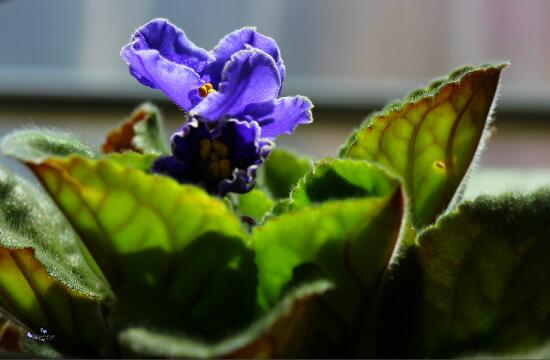
African violets prefer a warm, humid, well-ventilated semi-shady environment. They are not tolerant of high temperatures and fear strong light, so how do you grow African violets indoors? You should place them in a spot with good light, avoid direct strong light, and take good warming measures in winter. As for the potting soil, it is best to use soil with good aeration that retains water and nutrients.
II. Growing methods and precautions for African violets
1. Soil
How to grow African violets: first of all, you should reselect the potting soil. Nowadays, the potted plants of flower lovers are basically purchased online, but that soil is very cheap. Normal care can ensure plant growth, but if you want African violets to bloom beautifully, it is best to reselect the soil.
Soil selection: According to the growth habits of African violets, they like soil with good drainage that retains water and nutrients. For this, the editor recommends using soil mixed with peat moss, vermiculite, and perlite, or soil prepared by evenly mixing leaf mold, peat soil, and sand.
2. Light
Light is the key to plant growth, so in the growing methods for African violets, light is indispensable. However, African violets are relatively shade-tolerant and prefer a semi-shady environment, growing better under suitable scattered light. So when growing them indoors, it is best to place them by a windowsill.
Precautions: African violets avoid strong light, so in summer they should be properly shaded to avoid sunburn on the leaves; besides this, you should not keep them in a dark place for a long time, otherwise it will affect plant growth, leading to the phenomenon of African violets not blooming or becoming leggy.
3. Temperature
How to grow African violets: adjusting the temperature in a timely manner is also very important. It is understood that African violets prefer a warm environment, with the most suitable growth temperature around 16-24°C, of which 18-24°C from April to October, and 12-16°C from October to April of the following year. Adjusting the temperature at all times can make African violets bloom more beautifully.
Precautions: African violets are not tolerant of high temperatures or cold. In summer, the daytime temperature should not exceed 30°C, otherwise plant growth will be inhibited; in winter, the temperature should not fall below 10°C, otherwise freezing damage easily occurs.
4. Watering
Water is the source of life, so in the growing methods for African violets, watering is a very important part. African violets prefer a humid environment. Water moderately in spring, more in summer, and as temperatures gradually drop in autumn and winter, reduce watering appropriately. When the weather is dry, you should also increase the air humidity of the surrounding environment by spraying water.
Precautions: African violets avoid waterlogging. When watering the plant, do not overwater; keeping the potting soil slightly moist is enough, otherwise it will cause stem and leaf rot; of course, watering should not be too little either, otherwise the plant's flower stalks will droop and the flowering period of African violets will be shortened. Besides this, avoid getting water on the leaves, and if found, wipe them clean promptly, otherwise it will also cause leaf rot.
5. Fertilizing
After watering, let's talk about fertilizing, which is also indispensable in the growth process of African violets. African violets like fertilizer. During the growing period, fertilize once every 10-20 days, preferably with a thin, well-rotted liquid fertilizer combining nitrogen and phosphorus or a compound chemical fertilizer. Generally, the ratio of nitrogen fertilizer, phosphorus fertilizer, and potassium fertilizer is preferably 1:1:1.
Precautions: When fertilizing African violets, it is best to apply small amounts multiple times; when entering the flowering period, supplement with phosphorus and potassium fertilizer, and at this time be sure not to apply too much nitrogen fertilizer, otherwise the phenomenon of lush leaves but few flowers will occur.
6. Pests and diseases
In the process of growing African violets, due to reasons such as high air humidity, insufficient light, and poor ventilation, African violets are prone to pests and diseases such as fusarium wilt, powdery mildew, leaf rot, scale insects, and red spiders, which will seriously affect the plant's ornamental value. For this, you should carry out timely prevention and control after discovery; for this, you may refer to pest and disease control for African violets.
How to grow African violets? Growing methods and precautions for African violets
Growing methods and precautions for African violets
Light source
The light intensity African violets need is about 200-800 foot-candles, with an irradiation time of about 8-12 hours. If you want to promote flowering, you can gradually extend the light time to 16 hours. Outdoor direct light intensity is often greater than 8,000 foot-candles, which easily causes sunburn to the plant's leaves and is not suitable for African violet growth. However, indoor light supply is also often insufficient, causing slow plant growth, failure to bloom, or leggy growth. Generally, the brightness suitable for reading is only about 100-200 foot-candles, so it can be seen that indoor locations below the brightness suitable for reading are not suitable for growing African violets. A suitable indoor placement is by a window with bright, non-direct sunlight. If indoor brightness is too low, artificial light must be added for growing.
Temperature
The suitable growth temperature for African violets is similar to that for humans, about 18-26°C. Therefore, an environment that humans find comfortable, such as an air-conditioned office or home environment, is most suitable for African violet growth.
Humidity
The native environment of African violets is beside streams in rainforests, on moist cliffs, or in swampy areas. During the rainy season, the humidity there is usually 90-95%, so African violets love high-humidity environments, and the suitable humidity for most varieties to grow is 50-70%. Taiwan, China has an average annual humidity of about 60%, and even indoors it can mostly remain above 50%, so the humidity of home environments in Taiwan, China is suitable for African violet growth. However, when growing in an air-conditioned environment, the plant must be protected from direct cold air.
Air
African violets grow more suitably in an environment with air conditioning equipment or air circulation. The main purpose is that circulating air helps lower the temperature around the plant, so as to avoid a high-temperature, high-humidity environment being unfavorable to African violet growth.
How to grow African violets? Growing methods and precautions for African violets
African violet, also known as Saint Paul's flower, African violet, African violet, etc., is a perennial herbaceous plant of the Gesneriaceae family. The African violet plant is short, blooms in all four seasons, has rich flower colors and elegant flower posture, and has high ornamental value. Because African violets have a very good purifying effect, they are an excellent indoor ornamental plant. So, how do you grow African violets? The growing methods and precautions for African violets are introduced below.
Image: African violet
I. Growing methods for African violets
1. Soil:The potting soil should be loose and fertile, and it is advisable to use soil rich in humus. Generally, use 5 parts leaf mold, 3 parts garden soil, and 2 parts rotted manure soil, or mix 6 parts leaf mold with 4 parts sandy loam, or mix leaf mold, peat soil, and sand evenly.
2. Watering:Watering is very important. In early spring when temperatures are low, watering should not be too much, otherwise the stems and leaves easily rot, affecting flowering. In summer when temperatures are high and dry, water more and spray water to increase air humidity, otherwise the flower stalks droop and the flowering period shortens. But when spraying water, if too much water splashes on the leaves, it will also cause leaf rot. In autumn and winter, as temperatures drop, watering should be appropriately reduced.
3. Sunlight:The light intensity African violets need is about 200-800 foot-candles, with an irradiation time of about 8-12 hours. If you want to promote flowering, you can gradually extend the light time to 16 hours. Outdoor direct light intensity is often greater than 8,000 foot-candles, which easily causes sunburn to the plant's leaves and is not suitable for African violet growth. However, indoor light supply is also often insufficient, causing slow plant growth, failure to bloom, or leggy growth.
Image: African violet
4. Temperature:They prefer warmth, with a suitable growth temperature of 16-24°C, 18-24°C from April to October, and 12-16°C from October to April of the following year. The daytime temperature should not exceed 30°C; high temperatures are unfavorable to African violet growth. The nighttime temperature in winter should not be lower than 10°C, otherwise freezing damage easily occurs.
5. Fertilizing:Fertilizing should be light. During the growth and development period, apply a thin, well-rotted liquid fertilizer combining nitrogen and phosphorus or a compound chemical fertilizer once about every 10 days, but note that nitrogen fertilizer should not be too much, otherwise the leaves will grow very lush but there will be few flowers. For this reason, the ratio of nitrogen, phosphorus, and potassium fertilizer is preferably 1:1:1.
6. Pests:Under high-temperature and high-humidity conditions, fusarium wilt, powdery mildew, and leaf rot easily occur. You can spray or pour into the potting soil a 1000-fold dilution of 10% antibacterial agent 401 acetic acid solution. Scale insects and red spiders often harm African violets during the growing period, and can be killed by spraying a 1000-fold dilution of 40% omethoate emulsifiable concentrate.
Image: African violet
II. Precautions for growing African violets
1. Selection of pots and substrate:Because violets have small root systems, when planting, the pot should not be too large; choose a corresponding pot according to the size of the plant. The substrate for potting requires loose, fertile, well-drained, neutral to slightly acidic culture soil.
2. Watering and fertilizing:The amount of watering should be determined according to the growing season. In winter and early spring, temperatures are low, so watering should not be too frequent; water after the potting soil has dried, and keep relative humidity at about 40%; in summer when temperatures are high, water more, spray water around frequently, and keep relative humidity no less than 70%; in autumn, as the climate cools, reduce watering accordingly. During the growing season, apply a thin, well-rotted cake fertilizer water or liquid fertilizer once every 2 weeks, but note that nitrogen fertilizer should not be excessive. After flower buds appear, apply 0.5% superphosphate 1-2 times to make the flower colors vivid. When watering and fertilizing, be careful not to get it on the leaves to avoid rot.
Image: African violet
3. Temperature and light:The suitable growth temperature for violets is 18-24°C. In summer, the temperature should not exceed 30°C, so measures such as shading, cooling, and increasing humidity should be taken. They must not be exposed to direct strong light, but also must not grow for too long under excessively shady conditions, which would cause few and pale flowers or even no flowering. For home flower growing, they can be placed in a ventilated spot with scattered light. In winter, the temperature should not be lower than 10°C.
4. Pay attention to preventing and controlling pests and diseases:During cultivation, root rot, crown rot, powdery mildew, aphids, mites, thrips, nematodes, and other damage easily occur. Attention should be paid to ventilation and disinfection of the cultivation substrate before use. When the above pests and diseases are found, relevant pesticides should be sprayed promptly for prevention and control.
[Editor's conclusion]African violets like a warm climate, are relatively shade-tolerant, and avoid high temperatures, so special attention is needed during care. The above has introduced the growing methods and precautions for African violets, hoping it can help everyone!