How do you water an African violet? Water once every 3-7 days
When growing African violets indoors, watering is the thing gardeners love to do most. If you're an old hand, that's fine - you'll water in real time according to the plant's growth state; but if you're a beginner, it's not so easy. How often to water an African violet and how much water to give are things you have no concept of at all. So how do you water an African violet? Below, the editor gives you a detailed introduction.
I. How to water an African violet
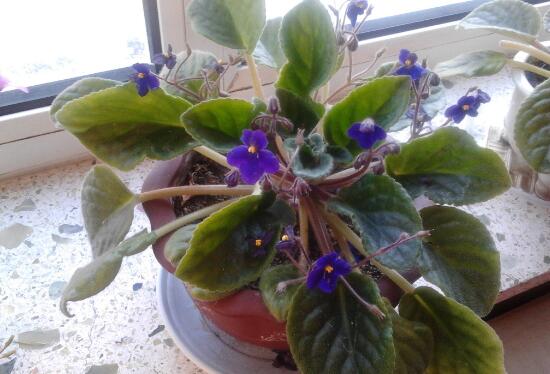
African violets like a humid environment. They certainly like moisture, but they hate waterlogged soil, so you can't water too much or too little. Too little water affects the plant's growth; too much water can also cause African violet leaves to turn yellow and even root rot. So for how to water an African violet, we must pay attention to method and follow the principle of “don't water until dry, and when you water, water thoroughly.”
II. Watering methods for African violets
(1) How often to water an African violet
On this question, if you're a beginner, just keep it to watering once every 3-7 days. This way it's neither too frequent nor too little, and can ensure normal plant growth. Of course, once you get the hang of watering, you should water according to the state of the potting soil. When you find the soil on the dry side, it's time to water. Each time you water, be sure to water thoroughly, that is, until you see excess water flowing out of the bottom of the pot.
(2) How to tell whether an African violet needs watering
1. Tap the pot: The simplest way to tell whether an African violet needs watering is to tap the pot. Tap the pot lightly with your finger at the 1/3 point. A relatively crisp sound means there is plenty of water in the soil; a dull sound means the pot is dry, and then it's time to water.
2. Weigh it by hand: For gardeners who are sensitive to weight, before watering an African violet you can pick up the pot and feel its weight. If it feels light, then it's time to water. Of course, this weighing by hand also takes a process, otherwise it's easy to get it wrong.
3. Probe the soil: The most direct way to judge whether an African violet needs watering is to probe the soil. Gardeners can insert a finger into the potting soil at the 1/3 point and feel it. If it's moist, don't water; if it's dry, or you can't even push your finger in, then it's time to water!
(3) Watering methods for African violets
Once you know how often to water an African violet, how should you water the plant? For this, you can use three methods: spraying, irrigation, and bottom-tray absorption. Spraying means watering with a spray bottle; irrigation means watering with a long-spout pot; bottom-tray absorption is a bit more troublesome - pour water into the bottom reservoir tray, wait a few minutes for the soil to become saturated with water, then pour off the remaining water.
(4) Watering precautions
1. When you find the potting soil is dry and it's time to water, try to avoid watering at midday in midsummer (above 35°C) or in the evening in winter (below 15°C).
2. The water temperature should be as close as possible to that of the plant, as this helps the plant absorb it.
3. If the water you give an African violet is tap water, it must be left in the sun for 2-3 days, because it contains chlorine, and watering directly with it affects the plant's growth.
Overall, watering is a technical job, especially watering African violets. You must grasp the right timing and follow the watering principle of “don't water until dry, and when you water, water thoroughly.” Only then can African violets grow healthily. That's all the editor has to introduce about African violet watering methods. Gardeners who keep them must water according to the methods!
How to grow African violets - growing methods and precautions for African violets
African violets - anyone who has seen them should be deeply impressed. Their flowers are small and exquisite, and their colors are gorgeous; grown indoors they are extremely ornamental. In daily life, because African violets look beautiful, many people want to grow them. So how do you grow African violets? Below is the editor's carefully compiled growing methods and precautions for African violets, very detailed. Anyone who wants to grow them must take a look!
I. How to grow African violets - understand their habits
African violets like a warm, humid, well-ventilated semi-shady environment. They can't tolerate high temperatures and fear strong light. So for growing African violets indoors, how should you do it? You should place them somewhere with good light, avoid direct strong light, and take good cold-protection measures in winter. As for the potting soil, it's best to use soil with good aeration that retains water and nutrients.
II. Growing methods and precautions for African violets
1. Soil
For how to grow African violets, first you should reselect the potting soil. Nowadays, gardeners' potted plants are basically bought online, but that soil is very cheap. Normal care can ensure the plant's growth, but if you want African violets to bloom beautifully, it's best to reselect the soil.
Soil choice: According to the African violet's growth habits, it likes soil that drains well and retains water and nutrients. For this, the editor recommends using soil mixed from peat moss, vermiculite and perlite, or soil blended from leaf mold, peat soil and sand.
2. Light
Light is the key to plant growth, so in the growing methods for African violets, light is indispensable. However, African violets are relatively shade-tolerant and like a semi-shady environment; they grow even better under suitable scattered light. So when growing them indoors, it's best to put them by a windowsill.
Precautions: African violets hate strong light, so in summer they should be properly shaded to avoid sunburn on the leaves; besides this, you also must not leave them in a dark place for a long time, otherwise it will affect the plant's growth and cause the phenomenon of African violets not blooming or growing leggy.
3. Temperature
For how to grow African violets, adjusting the temperature in good time is also very important. It is understood that African violets like a warm environment, and the most suitable growing temperature is around 16-24°C, of which 18-24°C from April to October, and 12-16°C from October to April of the following year. Adjusting the temperature at all times can make African violets produce more beautiful flowers.
Precautions: African violets can't tolerate high temperatures, nor cold. In summer, the daytime temperature should not exceed 30°C, otherwise the plant's growth is inhibited; in winter the temperature should not fall below 10°C, otherwise cold damage easily occurs.
4. Watering
Water is the source of life, so in the growing methods for African violets, watering is a very important part. African violets like a humid environment: water moderately in spring, water more in summer, and as temperatures gradually drop in autumn and winter, reduce watering appropriately. When the weather is dry, you should also increase the air humidity of the surrounding environment by spraying water.
Precautions: African violets hate waterlogged soil. When watering the plant, we can't water too much; keeping the potting soil slightly moist is enough, otherwise it will cause the stems and leaves to rot; of course, you also can't water too little, otherwise the plant's flower stalks will droop and the African violet's flowering period will be shortened. Besides this, avoid getting water on the leaves; once you find it, wipe it clean in time, otherwise it will also cause the leaves to rot.
5. Fertilizing
Having covered watering, let's talk about fertilizing, which is also indispensable in the African violet's growth process. African violets like fertilizer; during the growing period you should fertilize once every 10-20 days, and the fertilizer is best a thin, well-rotted liquid fertilizer combining nitrogen and phosphorus, or a compound chemical fertilizer. Generally, the ratio of nitrogen, phosphorus and potassium fertilizer is best at 1:1:1.
Precautions: When fertilizing African violets, it's best to fertilize a small amount at a time, several times; when entering the flowering period, supplement with phosphorus and potassium fertilizer. At this time, by no means apply too much nitrogen fertilizer, otherwise the phenomenon of lush leaves but few flowers will appear.
6. Pests and diseases
In the process of growing African violets, due to high air humidity, insufficient light, poor ventilation and other reasons, African violets are prone to pests and diseases such as fusarium wilt, powdery mildew, leaf rot, scale insects and red spider mites, which will seriously affect the plant's ornamental value. For this, everyone should carry out timely prevention and control after discovering them; for this you can refer to African violet pest and disease control.
How to grow African violets in winter - winter management methods for African violets / more light and higher temperatures
When growing plants indoors, the thing people fear most is winter, and African violets are no exception here. Once the ambient temperature is too low, they will suffer cold damage and may even freeze to death. So how do you grow African violets in winter? In order for African violets to overwinter safely, below is the editor's carefully compiled winter management methods for African violets. Let's take a look!
I. How to grow African violets in winter
African violets like a warm, semi-shady environment, and the nighttime temperature in winter must not be lower than 12°C. So how do you grow African violets in winter? First, move the African violet indoors to a spot with good light, then keep the room temperature no lower than 12°C, and afterward water and fertilize moderately. After doing this, your African violet should basically be able to overwinter safely.
II. Winter management of African violets
1. Temperature
In winter, the thing to pay most attention to when caring for African violets is temperature. It is understood that African violets like warmth, and when the temperature drops below 16°C, growth will stop. Although they can endure short periods of low temperature of 7-10°C, over a long time they easily die. So for how to grow African violets in winter, the room temperature must not be lower than 12°C.
2. Light
African violets are shade-tolerant plants, but they need plenty of light. Once they are in too shady a place for a long time, the phenomenon of few flowers and leaves growing without flowering will appear. So in winter, in order for African violets to receive plenty of light, they should be placed somewhere with good light, such as a sunny windowsill.
3. Watering
In winter, although the African violet's growth slows, it is still growing, so watering should continue as well. However, in winter, watering should be reduced in amount, and the watering interval should preferably be controlled to once every 7-10 days. Besides this, when watering, don't let water touch the leaves; of course, it's best to master the African violet's watering methods, so it's less easy to go wrong.
4. Humidity
African violets like a humid environment, and their demand for humidity is also very high; in a relatively dry environment, growth is not favored. And winter is exactly the driest time, so how do you grow African violets in winter? We should appropriately increase air humidity. Generally speaking, keeping the air humidity between 40%-70% is best.
5. Fertilizer
When it comes to winter management of African violets, there is one point everyone needs to note, and that is fertilizing - don't continue! Although African violets have high fertilizer requirements, this is also somewhat related to light. If it's winter, the light won't be very strong, and fertilizing at this time will have no effect. So, it seems everyone can consider applying only base fertilizer and not applying additional fertilizer.