-
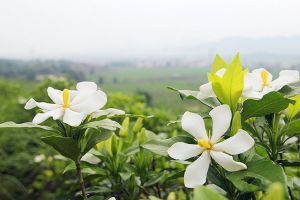
Reasons Why Gardenia Only Grows Leaves and Does Not Bloom
Actually, in simple terms, it is just that the plant has grown leggy. There are mainly four reasons. The first is related to not pruning in time, so all the nutrients go to the stems and leaves rather than to the flowers. The second is that the type of fertilizer is wrong, with too much nitrogen fertilizer and, by comparison, too little phosphorus and potassium fertilizer. Third, before it forms flower buds, too much water also easily causes the leaves to grow fast while the flowers fail to open. Finally, there is the issue of temperature: in winter the temperature is too high, which causes the buds and leaves to grow quickly and also consumes excessive nutrients, resulting in fewer flowers.
-
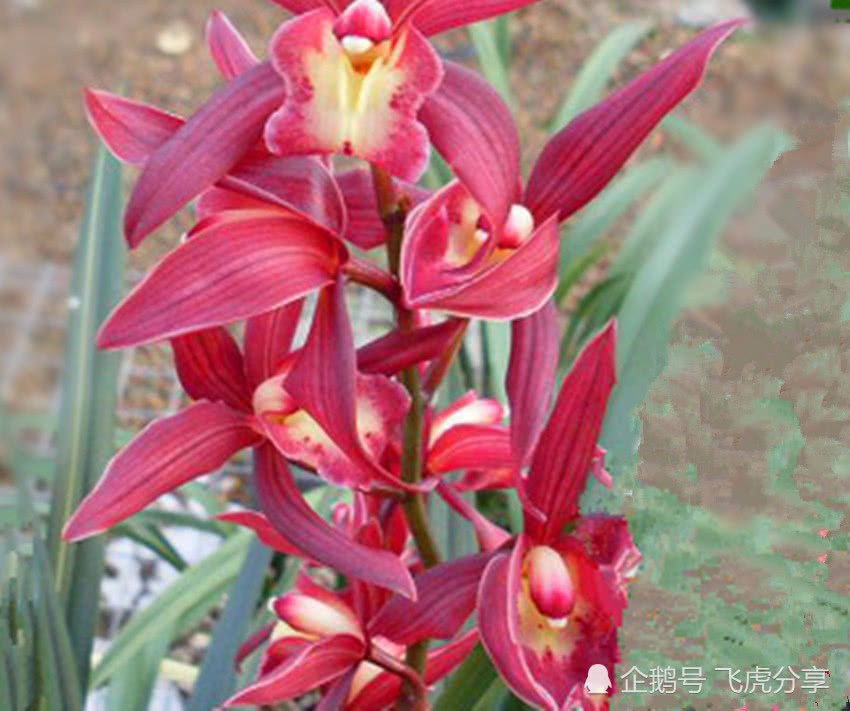
The real reasons flower leaves turn yellow and the correct solutions
In flower care, yellowing leaves can sometimes be unavoidable. Many people do not know what causes the yellowing. Some use vinegar, some use beer, but can these really turn yellow leaves green again? Now...
-
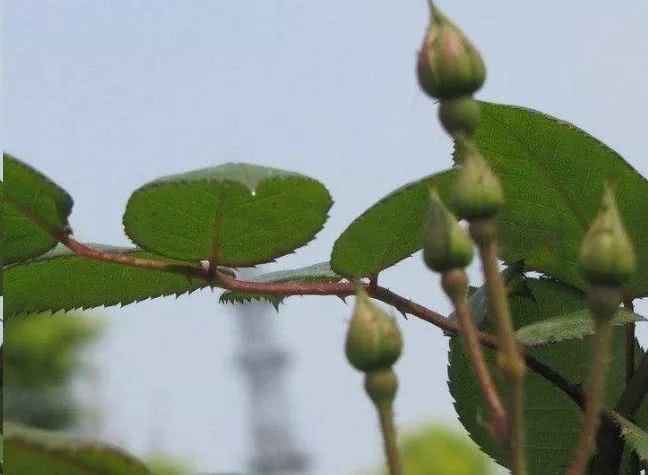
Rose flower buds all dropped overnight from a full pot - what is the reason?
This is day 848 of Blue Demon's daily original article. This article is an excerpt from one of Blue Demon's original theories, the "Three-Step Method for Growing Roses" series. In yesterday's article, Blue Demon introduced in detail the issue of rose bud thinning. Rose bud thinning is our own choice...
-
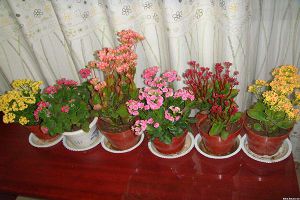
Reasons Why Kalanchoe Does Not Grow Flower Buds and How to Fix It
This plant looks like it should bloom, but while growing it we may find that it has not grown any flower buds. What exactly is going on? In fact, this is related to its nutrition, and also to sunlight and watering. We can give it fertile soil, an appropriate amount of fertilizer, enough light and other conditions, along with sufficient water and a suitable temperature.
-
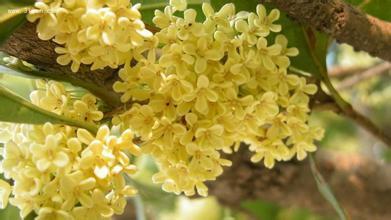
Why doesn't osmanthus bloom? These are the reasons you need to know
Osmanthus loves strong light and warmth, fears waterlogging, and fears coal smoke. For potted osmanthus, if care is improper and its physiological needs cannot be met, it will not bloom. There are generally the following 5 reasons why osmanthus does not bloom: (1) Improper winter care. In winter, bring it indoors...
-
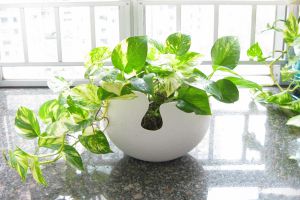
Reasons Why Pothos Leaves Curl and How to Fix Them
When pothos leaves curl, the plant does not look as attractive, so we need to find a way to help it recover. This first requires us to identify the cause of the curling, and then deal with it: if its roots have been infected by bacteria, we need to prune and disinfect them in time; if it lacks water or nutrients, we should replenish them promptly; if the environment it grows in is not suitable for it, then move it to a suitable place to grow.
-
Reasons for and solutions to pothos leaves withering
Both water-cultured and soil-cultured pothos can show withering, but the causes differ, so if we notice it withering, because the causes are different, the measures we should take are also different: if bacteria have grown, remove them promptly; if the moisture is improper, replenishing water or placing it in a ventilated spot to let the water evaporate; if the light is too strong, reduce it slightly; if too much fertilizer was applied, flush out the excess fertilizer.
-
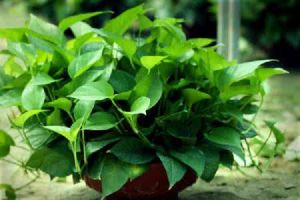
Reasons for Yellow Spots on Pothos Leaves and How to Fix Them
Many people grow pothos (Epipremnum aureum), because it is both decorative and has many benefits for the air. However, some fairly serious problems can arise when growing it, such as yellow spots on the leaves. When this happens, we first need to identify the cause and then address it: if it is due to too little light, appropriately increase the amount of light it receives; if it is due to high humidity, reduce it moderately.
-
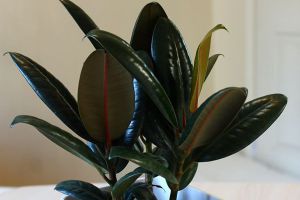
Reasons Why a Rubber Plant Does Not Grow New Leaves and How to Fix It
Some gardening enthusiasts buy it and care for it, only to find that after a long time no new leaves have grown. What exactly is going on? It could be improper fertilizer and water management, which means we need to change the way we manage water and fertilizer, giving it sufficient but not excessive water and fertilizer. It could also be that its roots were damaged during repotting; in that case, we just need to care for it normally and wait for it to slowly recover.
-
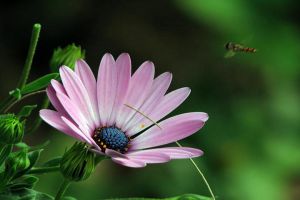
Reasons for Yellowing Leaves on Blue-Eyed Daisy (African Daisy) and How to Fix Them
For this phenomenon, there are mainly three reasons. The first is water: too much or too little has the same consequence, and both can turn the leaves yellow. So, depending on the different cause, the first task is to adjust the amount of water. The second is fertilizer. Here we mainly mean that its concentration is too high or the amount is too much. To address this, what we need to do is control the amount and adjust the concentration. The third is light. If there is too little light, then there will be less chlorophyll, and the leaves will turn yellow. So, providing it with sufficient light may ease the phenomenon.
条件筛选