Why doesn't osmanthus bloom? These are the reasons you need to know
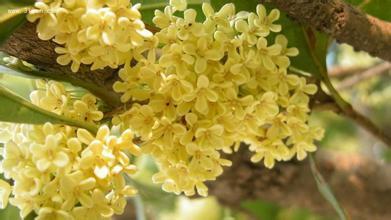
Osmanthus loves strong light and warmth, fears waterlogging, and fears coal smoke. For potted osmanthus, if care is improper and its physiological needs cannot be met, it will not bloom. The reasons why osmanthus does not bloom
are generally the following 5
(1) Improper winter care. After being brought indoors in winter, place it in a low-temperature spot to let it go dormant, so that the following year it can grow vigorously with abundant flowers and lush leaves. If the room temperature is relatively high, the osmanthus cannot get sufficient dormancy and will sprout and unfold leaves early; the branches will be thin and weak, consuming a large amount of nutrients, and after being moved outside in spring, it is prone to withering and dying when it encounters dry wind. Excessive watering in winter or placing it in a spot with insufficient light can easily cause the plant to drop a large number of leaves, affecting flowering the next year.
(2) The placement location is too shaded. Osmanthus is a long-day plant and loves strong light. If the plant cannot get sufficient light during the growth and development period, it will cause excessive growth of branches and leaves, affecting flower bud formation, which is also a reason it cannot bloom.
(3) Being fumigated by coal smoke. Osmanthus is not tolerant of smoke and dust. If it is kept in a place with air pollution, it will grow poorly, with smaller leaves that easily fall off, and it will bloom little or not at all.
(4) Insufficient nutrients. For potted osmanthus, if it has not been repotted or given fresh soil for years, resulting in insufficient nutrition and roots becoming tightly coiled so they cannot spread, this is also a factor affecting flowering. For this reason, potted osmanthus should be repotted once every 1 to 2 years, and a small amount of bone meal should be applied as a base fertilizer.
(5) Excessive watering. Osmanthus dislikes waterlogging, and during the growing season it should be watered by the principle of watering when the soil looks dry and stopping when it looks moist. If watered too much or if water accumulates in the pot on rainy days, the roots are both prone to rot and the leaves to fall.