-

5 reasons for brown leaf edges on houseplants, and these plants in particular need extra attention
The leaves of your houseplants look fine, then suddenly the edges dry up and curl, as if they have been scorched by fire, which is really distressing to look at. In fact, brown leaf edges on houseplants are not random; most of the time it is because we overlooked some details in care. Here are the 5 most common reasons for brown leaf edges on houseplants. Fix the right cause and the leaves will gradually recover. Watering too "extreme" —
-

What are the reasons why the new leaves of a Phalaenopsis orchid growing smaller is abnormal?
If you want to grow Phalaenopsis orchids well, you must of course learn to grow the roots well, and secondly, observe the leaf condition of the plant more often. Recently, a fan question came in through the backend, asking why the leaves that grow out get smaller and smaller as the plant is kept. In response to this flower lover's question, and also in combination with the picture sent in through the backend, the editor believes
-
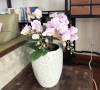
Reasons Why Hydroponic Phalaenopsis Orchids Won't Grow Roots and an Analysis of Their Light Requirements
Have you ever tried growing Phalaenopsis orchids hydroponically? Do you watch other people's hydroponic orchids sending out roots at lightning speed while yours stays completely bare with not a single new root, and you're so anxious you're stomping your feet? Anyway, that used to be me -- I always thought hydroponics was simpler than growing in soil, but after all that fussing, my Phalaenopsis roots either stayed wilted and never emerged, or rotted away until only
-
Reasons and Solutions for Phalaenopsis Leaves Turning to Water and Falling Off
The worst thing about growing Phalaenopsis is encountering leaves turning to water - originally plump leaves suddenly become soft, turn yellow, and rot at the slightest touch. If you are not careful, the pathogens will spread, and the whole plant may even wither! Don't panic, as long as you deal with it promptly, there is a good chance it can be saved ~ Emergency treatment: stop the damage first! Prevent the pathogens from spreading 1. Resolutely remove diseased leaves. When you find leaves
-
Reasons for Root Rot in Water-Cultured Phalaenopsis and How to Care for It After Washing the Roots
Many gardening enthusiasts want to try growing Phalaenopsis (moth orchid) in water but always fail at the early stage. In fact, the problem often lies in the step of "washing the roots"! The core difference between water culture and soil culture is the change in the root environment. Roots that have not been treated still carry old potting medium and pathogens, and putting them directly into water easily leads to root rot and withering. Today we will share in detail the root washing for water-cultured Phalaenopsis.
-
Reasons for Phalaenopsis root rot in summer and how to save it
In summer, with high temperatures and high humidity, Phalaenopsis orchids can easily develop root rot if you are not careful - the roots turn black and mushy, and the leaves turn yellow and soft, which is really distressing to see. In fact, as long as you act promptly, a Phalaenopsis with root rot can absolutely be saved! Today I will share the emergency rescue steps and follow-up care tips with everyone, so even beginners can handle it easily ~ 3 steps to rescue root rot
-

Reasons Why Phalaenopsis Orchid Flower Spikes Grow Slowly and How to Fix It
When growing Phalaenopsis orchids, nothing is more frustrating than a flower spike that finally emerges but then refuses to grow. Some are as thin as toothpicks, and some stop growing after just a few centimeters. In fact, a slow-growing flower spike never happens for no reason; it is usually because some detail of care is not quite right. Once you identify the cause and adjust accordingly, the flower spike will soon start "shooting up."
-
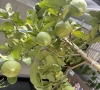
Reasons for Yellow Leaves and Leaf Drop in Lemon Trees and How to Fix Them
Don't panic if your lemon tree has yellow leaves and is dropping leaves! Find the cause and treat it accordingly, and it will soon recover its vitality. Here are some super practical solutions that even beginners can handle! 1. Watering problems. 1. Waterlogged roots and root rot. Symptoms: lower leaves turn yellow first and fall off at the slightest touch, leaf tips turn brown, and the potting soil is sticky and wet. First aid: stop watering, take the plant out of the pot and cut off the rotten roots (black-brown, mushy
-
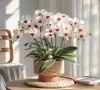
Reasons and Solutions for Yellowing Leaves in Hydroponic Phalaenopsis Orchids
Today I want to share with you the 4 main reasons for yellow leaves in hydroponic Phalaenopsis orchids and the targeted solutions, so your orchid can turn green and lush again. Reason one: temperature too high. The most suitable growing temperature for Phalaenopsis is 15-25°C. Once the ambient temperature stays above 30°C for a long time, the leaves are prone to turning yellow from being "stifled." This is especially true for hydroponic Phalaenopsis, whose roots are directly
-
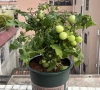
Reasons for Dried and Withered Leaves on Potted Cherry Tomatoes and How to Fix Them
When growing cherry tomatoes, do the lush green leaves suddenly start turning yellow and drying up, or even the whole plant looking wilted? Today I'll share with you the reasons for dried cherry tomato leaves and the targeted solutions. Reason one: Fusarium wilt. Fusarium wilt specifically attacks the root and stem area, and it is most likely to break out during the flowering and fruiting stage. In the early stage, only the lower leaves
条件筛选