-
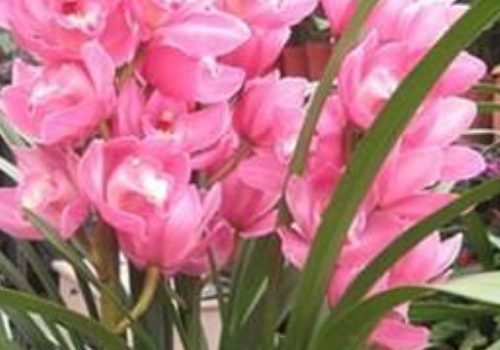
Reasons for Yellowing Leaf Cores in Cymbidium and How to Fix It
Many people grow Cymbidium, but some develop yellowing leaf cores. What causes yellowing leaf cores in Cymbidium? What should you do? 1. Yellowing caused by poor light. Cymbidium is a plant that likes sunlight, but it cannot tolerate strong light exposure. Generally, diffused light is best, and weak light is also unsuitable.
-
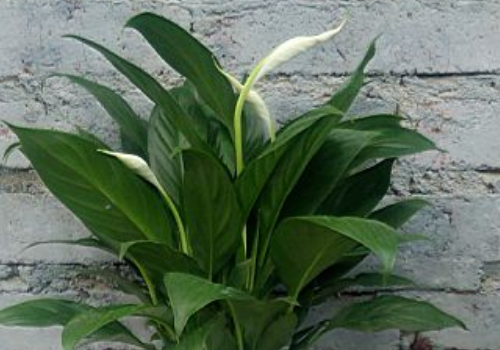
Reasons Why Peace Lilies Do Not Bloom and How to Fix Them
Peace lily (Spathiphyllum) blooms from May to August, and the flowering period is fairly long. Why won't a peace lily bloom? What should you do? Reasons a peace lily won't bloom: it has not grown long enough. Peace lilies also need to meet certain conditions to bloom. Peace lilies bought already in bloom from the flower market are all at least 3 years old.
-
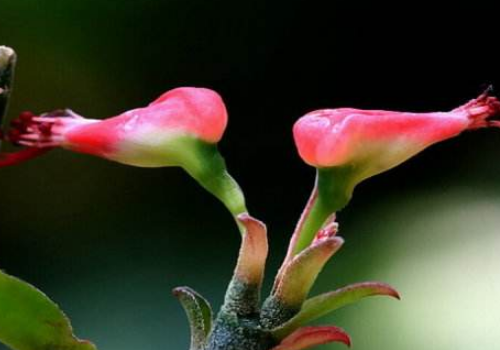
Reasons Why Pedilanthus tithymaloides Does Not Bloom and How to Care for It
Pedilanthus tithymaloides is so beloved, so how should you grow it? Why does Pedilanthus tithymaloides not bloom? How to grow it: Why Pedilanthus tithymaloides does not bloom: Temperature. It is native to Central America and the West Indies. It likes warmth and thrives in places with ample but not too intense sunlight and good ventilation. In environments with excessively high temperatures, it can also adapt to semi-shaded conditions.
-
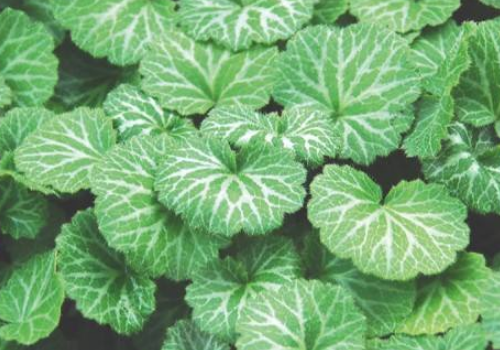
Reasons for Saxifraga stolonifera Losing Leaves and How to Fix It
Next, let's take a look at how to solve the problem of Saxifraga stolonifera losing leaves. What causes Saxifraga stolonifera to lose leaves? What to do: What causes Saxifraga stolonifera to lose leaves: Cold injury. Saxifraga stolonifera is slightly cold-tolerant, and it can overwinter safely even when winter temperatures are around 5°C, but if the temperature is too low, such as in northern winters
-
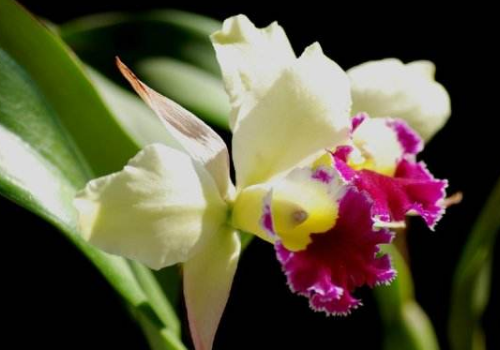
Cattleya Blooming Time and Reasons for Not Blooming Explained
To help Cattleyas grow better, timely pruning is quite necessary. When do Cattleyas bloom? What are the reasons they do not bloom: When do Cattleyas bloom: Cattleyas generally bloom in spring and autumn, flowering 1 to 2 times a year, and the ornamental flowering period is generally 3 to 4 weeks
-
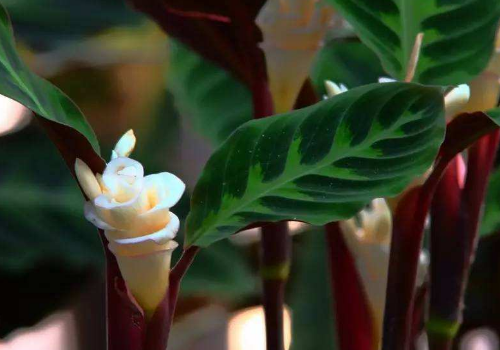
When Does the Velvet Calathea Bloom? Reasons for Not Blooming and Solutions
The velvet calathea can effectively absorb harmful substances from the air, which greatly improves the home environment. When does the velvet calathea bloom? What to do if it does not bloom: When does the velvet calathea bloom: The flowering period of the velvet calathea is from May to June each year. The capitulum is ovate, about the size of a goose egg.
-
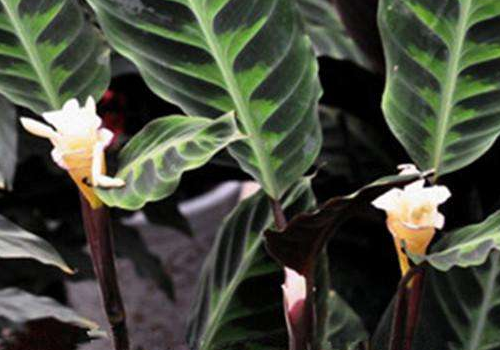
Reasons for Yellowing, Drooping Leaves on the Velvet Calathea and How to Fix Them
Generally, you can start with its growth habits, and in the later stages of cultivation you need to strengthen the management of waste water. What causes yellowing, drooping leaves on the velvet calathea? How to fix it: What causes yellowing, drooping leaves on the velvet calathea: 1. Too little water in summer. The velvet calathea likes a somewhat humid growing environment
-
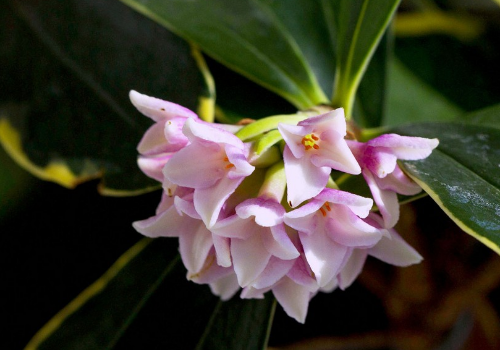
Reasons Why Daphne odora 'Aureomarginata' Does Not Bloom and How to Fix It
Besides its very beautiful appearance and abundance of blossoms, Daphne odora 'Aureomarginata' is also a plant with an extremely rich fragrance. Why does Daphne odora 'Aureomarginata' not bloom? What to do if it does not bloom: Why Daphne odora 'Aureomarginata' does not bloom: Its flowering period is from February to March, but there are three reasons why it does not bloom: high humidity
-
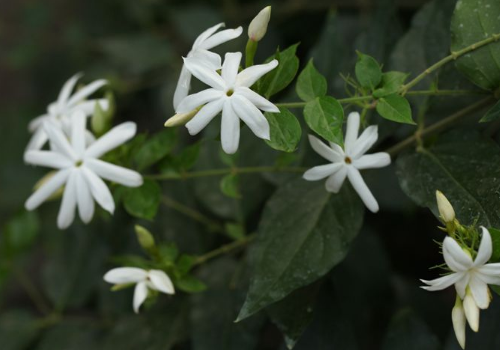
Reasons Why Jasminum Sambac Does Not Bloom and a Detailed Guide to Pruning Methods
Pruning Jasminum sambac still requires skill; casual pruning will not only fail to achieve a beautiful effect but can also have the opposite effect. What are the reasons Jasminum sambac does not bloom? How to prune: What are the reasons Jasminum sambac does not bloom: 1. Being placed in shade for a long time causes leaves to grow leggy and thin.
-

Analysis of the Reasons for the High Economic Returns of Winter Cultivation of Straw Mushrooms
Straw mushrooms (Volvariella volvacea) are a type of fungus that thrives in high temperature and high humidity, suited to growing in an environment of constant temperature and stable moisture. Therefore, moving the heat-loving straw mushroom to winter cultivation requires growing it in greenhouses with good insulation capacity, which increases cost inputs such as heating. However, straw mushrooms produced in winter sell for 2 times the price of those conventionally cultivated in summer, so appropriate adjustments should be made to the substrate formula and cultivation management, among other aspects, in order to increase the input-output ratio and improve economic returns. The main techniques for winter cultivation of straw mushrooms are introduced as follows: 1. Select a suitable substrate formula, build a pile and ferment the straw mushrooms.
条件筛选