Reasons for Saxifraga stolonifera Losing Leaves and How to Fix It
Next, let's take a look at how to solve the problem of Saxifraga stolonifera losing leaves. What causes Saxifraga stolonifera to lose leaves? What to do:
What causes Saxifraga stolonifera to lose leaves:
1. Cold injury
Saxifraga stolonifera is slightly cold-tolerant, and it can overwinter safely even when winter temperatures are around 5°C, but if the temperature is too low, such as in northern winters, it is prone to cold injury when kept outdoors. Cold-injured leaves wither, are prone to falling off, and drop at the slightest touch.
2. Root rot
If the leaves of Saxifraga stolonifera are dropping, and upon checking the junction between the leaf and the stem there is no sign of blackening, then you should consider whether the root system has rotted.
Saxifraga stolonifera is tolerant of shade and moisture. If the temperature is too high and the potting soil is waterlogged, it will cause the root system to rot, weakening the plant's ability to absorb water and nutrients, which damages the leaves and causes them to wilt and drop.
What to do when Saxifraga stolonifera loses leaves:
1. Temperature treatment
In the north, where winter temperatures are relatively low, it is not suitable to keep Saxifraga stolonifera outdoors. Gardeners with heating can move Saxifraga stolonifera indoors to ensure the temperature stays warm both day and night. If there is no heating, you can cover the Saxifraga stolonifera pot with an insulation bag for a period of protection.
Some mutant varieties of Saxifraga stolonifera even have higher requirements for winter temperature, and the overwintering temperature must not be lower than 15°C. In this case, gardeners in the south also need to take good insulation measures to prevent Saxifraga stolonifera from cold injury.
2. Root treatment
Pull up the plant, check the root system, wash off the sticky black-rotted soil, and then cut off the rotten parts.
Place the plant in a ventilated and shady spot to air-dry for a while. After the cut heals, you can apply carbendazim to the cut, then repot it for care. Do not rush to water, otherwise the root system will not recover. When repotting, just keep the potting soil moist.
Now you know how to solve the problem of Saxifraga stolonifera losing leaves.
What to Do When Saxifraga stolonifera Loses Leaves and What Causes the Leaf Drop
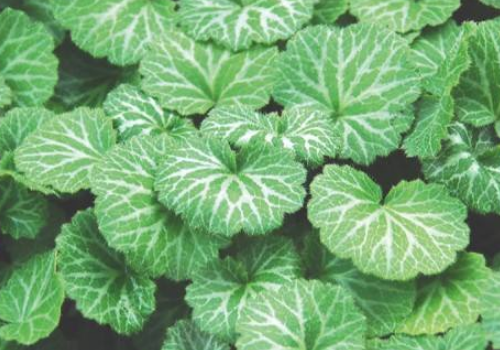
Saxifraga stolonifera is an evergreen flowering plant. It has scale-like leaves, and its flowers come in two colors, red and pink, making it a very good potted flowering plant. It is not only an ornamental plant, but the whole plant can also be used as medicine. So what should you do when Saxifraga stolonifera loses leaves?
What to do when Saxifraga stolonifera loses leaves:
Temperature treatment
In the north, where winter temperatures are relatively low, it is not suitable to keep Saxifraga stolonifera outdoors. Gardeners with heating can move Saxifraga stolonifera indoors to ensure the temperature stays warm both day and night. If there is no heating, you can cover the Saxifraga stolonifera pot with an insulation bag for a period of protection.
Some mutant varieties of Saxifraga stolonifera even have higher requirements for winter temperature, and the overwintering temperature must not be lower than 15°C. In this case, gardeners in the south also need to take good insulation measures to prevent Saxifraga stolonifera from cold injury.
Root treatment
Pull up the plant, check the root system, wash off the sticky black-rotted soil, and then cut off the rotten parts.
Place the plant in a ventilated and shady spot to air-dry for a while. After the cut heals, you can apply carbendazim to the cut, then repot it for care. Do not rush to water, otherwise the root system will not recover. When repotting, just keep the potting soil moist.
If leaf drop occurs in summer, you can provide appropriate shade, avoid direct strong light, and place it in a spot with gentle light to let it recover for a period of time.
Analysis of the causes of Saxifraga stolonifera losing leaves:
Cold injury
Saxifraga stolonifera is slightly cold-tolerant, and it can overwinter safely even when winter temperatures are around 5°C, but if the temperature is too low, such as in northern winters, it is prone to cold injury when kept outdoors.
Cold-injured leaves wither, are prone to falling off, and drop at the slightest touch.
Root rot
If the leaves of Saxifraga stolonifera are dropping, and upon checking the junction between the leaf and the stem there is no sign of blackening, then you should consider whether the root system has rotted.
Saxifraga stolonifera is tolerant of shade and moisture. If the temperature is too high and the potting soil is waterlogged, it will cause the root system to rot, weakening the plant's ability to absorb water and nutrients, which damages the leaves and causes them to wilt and drop.
What to do when Saxifraga stolonifera loses leaves
Analysis of the causes of Saxifraga stolonifera losing leaves
Cold injury
Saxifraga stolonifera is slightly cold-tolerant, and it can overwinter safely even when winter temperatures are around 5°C, but if the temperature is too low, such as in northern winters, it is prone to cold injury when kept outdoors.
Cold-injured leaves wither, are prone to falling off, and drop at the slightest touch.
Root rot
If the leaves of Saxifraga stolonifera are dropping, and upon checking the junction between the leaf and the stem there is no sign of blackening, then you should consider whether the root system has rotted.
Saxifraga stolonifera is tolerant of shade and moisture. If the temperature is too high and the potting soil is waterlogged, it will cause the root system to rot, weakening the plant's ability to absorb water and nutrients, which damages the leaves and causes them to wilt and drop.
What to do when Saxifraga stolonifera loses leaves
Temperature treatment
In the north, where winter temperatures are relatively low, it is not suitable to keep Saxifraga stolonifera outdoors. Gardeners with heating can move Saxifraga stolonifera indoors to ensure the temperature stays warm both day and night. If there is no heating, you can cover the Saxifraga stolonifera pot with an insulation bag for a period of protection.
Some mutant varieties of Saxifraga stolonifera even have higher requirements for winter temperature, and the overwintering temperature must not be lower than 15°C. In this case, gardeners in the south also need to take good insulation measures to prevent Saxifraga stolonifera from cold injury.
Root treatment
Pull up the plant, check the root system, wash off the sticky black-rotted soil, and then cut off the rotten parts.
Place the plant in a ventilated and shady spot to air-dry for a while. After the cut heals, you can apply carbendazim to the cut, then repot it for care. Do not rush to water, otherwise the root system will not recover. When repotting, just keep the potting soil moist.
If leaf drop occurs in summer, you can provide appropriate shade, avoid direct strong light, and place it in a spot with gentle light to let it recover for a period of time.