-
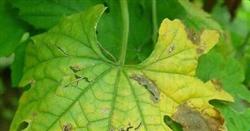
Act quickly to prevent and control diseases in eggplant, melon and bitter gourd
New leaves become smaller, narrow and elongated, shrunken, hardened and distorted; diseased plants are obviously stunted and find it hard to set fruit; even if fruit is set, it is deformed and hardened with a mottled surface.%26rdquo; Recently, a farmer brought a diseased bitter gourd vine and anxiously went to the municipal plant protection station for consultation and told this author about it, asking what disease it was and seeking a solution...
-
What are the methods to prevent longan fruit drop and fruit cracking?
Scientific fertilization based on the growth characteristics of longan and the requirements of its annual growth and fruiting cycle is the foundation for early fruiting, high yield, and good quality in longan trees. Experiments have shown that a longan orchard producing 1 ton of fruit per mu should apply 20-25 kg of pure nitrogen annually (of which nitrogen from organic fertilizer accounts for about 40% of the annual nitrogen application). Nitrogen, phosphorus pentoxide, potassium oxide, calcium oxide,...
-
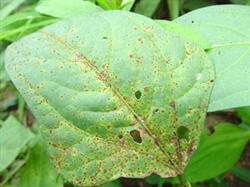
How to prevent and control diseases of yardlong beans? A detailed guide to practical methods
I. Main symptoms The yardlong bean can be infected by pathogens throughout its entire growing season, but its resistance weakens and susceptibility increases from the beginning of flowering to the fruiting period. The disease mainly attacks the leaves; in the early stage of the disease, chlorotic yellow-white spots appear on the leaves, and the spots gradually increase until they densely cover the entire leaf. The plant is short and stunted, with few and small pods, and its growth...
-
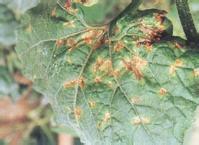
How to prevent and control angular leaf spot of winter melon? First, recognize the disease symptoms
Symptoms: It mainly affects leaves, petioles, and fruit. It can be affected from the seedling stage to the mature plant stage. When true leaves are infected, bright green water-soaked spots appear first, gradually turning light brown; the lesions are restricted by leaf veins and become polygonal, yellow-brown, and when humidity is high, milky white cloudy water-drop-like bacterial ooze exudes from the underside of the leaves, and the diseased tissue is brittle and easily perforated. When stems and petioles are infected, ...
-
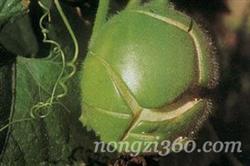
What to Do About Split Winter Melon? Detailed Explanation of Causes and Prevention Methods
When winter melon splits, it not only affects the appearance but also affects the quality and reduces its commercial value. In addition, split melons can also allow pathogens to invade the melon and multiply, causing localized deterioration or rot of the winter melon and affecting storage and transportation. Choose crack-resistant varieties. In rainy areas or rainy seasons, use deep furrows with high beds or ridge cultivation with trellising...
-
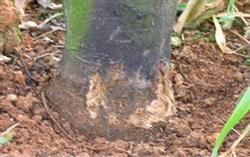
What to Do When Citrus Gets Foot Rot? Detailed Prevention and Control Measures
Distribution and damage symptoms: Foot rot, also known as skirt rot, is a root crown disease that occurs in all citrus-growing areas of our country. It damages the root crown and main root cortex of citrus. The diseased bark rots and turns brown with a smell of distillers' grains, and often exudes a gummy substance. Under dry conditions, the diseased part cracks and hardens, and it is clearly demarcated from the healthy part. In the early stage, it only damages the tree surface...
-
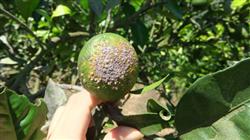
How to prevent heat damage in citrus? A detailed guide to practical control techniques
Citrus is a tropical and subtropical evergreen fruit tree (with the exception of trifoliate orange), preferring warm and humid conditions, but it is also sensitive to heat. If abnormally high temperatures of 30°C and above occur between the flowering stage and the fruit-setting stage of citrus, normal flowering and fruiting will be affected, and the earlier the high temperatures occur, the greater the damage. During this period, abnormal flower drop...
-
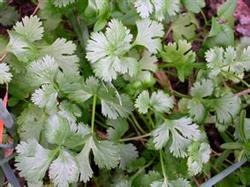
What are the common diseases of cilantro? Detailed explanation of prevention and control methods
Coriander (cilantro) is used as a seasoning vegetable; it is nutritious and simple to cultivate and manage. The key points of coriander cultivation techniques are introduced as follows: Characteristics of coriander. Coriander belongs to the Apiaceae family. It can withstand low temperatures of -1°C to 2°C, and its suitable growing temperature is 17°C to 20°C. Above 20°C it grows slowly, and at 30°C it stops growing. Coriander has requirements for soil...
-
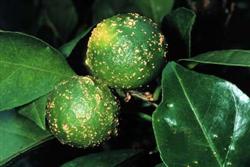
Identification of Fertilizer Damage Symptoms in Citrus Orchards and Detailed Prevention Measures
From early May to the end of June is the critical period for citrus from flower drop to fruit stabilization. In citrus production, this period is usually called the young fruit stage. During this time, citrus will go through two important physiological fruit drop stages: the first physiological fruit drop and the second physiological fruit drop. The quality of cultivation and management during this period often directly affects the yield and fruit appearance of that year...
-
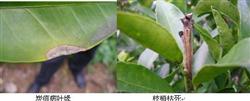
How to prevent and control citrus anthracnose? Mastering these methods is key
(1) Reasonable fertilization. Increase the application of organic fertilizers, such as plant ash and rapeseed cake fertilizer, to improve the physical and chemical properties of the soil and create good conditions for root growth; according to the measured soil properties, carry out formula fertilization with nitrogen, phosphorus, potassium and micronutrients. (2) Reasonable pruning and thinning of branches and fruit. Combined with garden clearing and year-round management, prune diseased and pest-infested branches...
条件筛选