What to Do About Split Winter Melon? Detailed Explanation of Causes and Prevention Methods
When winter melon splits, it not only affects the appearance but also affects the quality and reduces its commercial value. In addition, split melons can also allow pathogens to invade the melon and multiply, causing localized deterioration or rot of the winter melon and affecting storage and transportation. Choose crack-resistant varieties. In rainy areas or rainy seasons, use deep furrows with high beds or ridge cultivation with trellising...
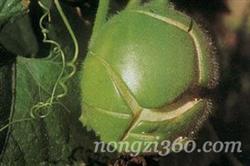
When winter melon splits, it not only affects the appearance but also affects the quality and reduces its commercial value. In addition, split melons can also allow pathogens to invade the melon and multiply, causing localized deterioration or rot of the winter melon and affecting storage and transportation.
Choose crack-resistant varieties.
In rainy areas or rainy seasons, use deep furrows with high beds or ridge cultivation with trellising.
Apply more organic fertilizer to increase the soil's permeability and water-holding capacity, so that the soil supplies water evenly, the root system is well developed, and the branches and leaves are lush. Also prune in a timely manner so that the fruit develops normally.
The rind at the top of the fruit and the part touching the ground is thicker and has fewer wall cell layers. During cultivation, the fruit can be turned to promote fruit development and prevent splitting.
When necessary, spray 0.1% zinc sulfate or copper sulfate during the fruit expansion stage, which can improve heat resistance and enhance the ability to resist splitting.
After the petals fall, spray 15×10~6 gibberellin or indoleacetic acid or 30×10~6 naphthaleneacetic acid, once every 7 days, for 2~3 consecutive sprays, which can also prevent splitting.