What to Do When Citrus Gets Foot Rot? Detailed Prevention and Control Measures
Distribution and damage symptoms: Foot rot, also known as skirt rot, is a root crown disease that occurs in all citrus-growing areas of our country. It damages the root crown and main root cortex of citrus. The diseased bark rots and turns brown with a smell of distillers' grains, and often exudes a gummy substance. Under dry conditions, the diseased part cracks and hardens, and it is clearly demarcated from the healthy part. In the early stage, it only damages the tree surface...
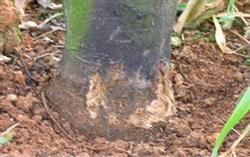
Distribution and damage symptoms: Foot rot, also known as skirt rot, is a root crown disease that occurs in all citrus-growing areas of our country. It damages the root crown and main root cortex of citrus. The diseased bark rots and turns brown with a smell of distillers' grains, and often exudes a gummy substance. Under dry conditions, the diseased part cracks and hardens, and it is clearly demarcated from the healthy part. In the early stage, it only damages the tree surface, then spreads to the cambium and even the xylem. The lesion expands vertically and horizontally, spreading upward to the trunk 20 cm above the ground, downward to the root mass, and horizontally around the trunk, girdling it and causing the plant to die. The diseased tree's leaves turn yellow partially or entirely, and the diseased tree flowers abundantly but bears little fruit. It generally occurs from April to August, with sweet orange rootstock suffering the most severe damage. Control methods can be divided into agricultural control and chemical control, and attention should also be paid to other comprehensive measures.
1. Agricultural measures:
① Using disease-resistant rootstock is currently the most economical and effective method for controlling this disease;
② Strengthening cultivation management, promptly digging drainage ditches, planting shallowly, not intercropping tall-stemmed crops, applying organic fertilizer in rings or trenches, not applying chemical fertilizer dry, and controlling trunk pests;
③ Replacing rootstock: plant 3-4 disease-resistant rootstocks around severely diseased trees, then approach-graft them onto the base of the main trunk, combined with heavy pruning, removing rotten roots and carrying out foliar topdressing.
2. Chemical control:
Dig the soil away from the root crown diseased area, scrape off the rotted part, then apply "Hushu Jiangjun" (Tree Guardian) to make the lesion fall off quickly and protect the wound for healthy healing.
3. Maintaining good drainage and irrigation systems:
Prevent waterlogging in the orchard; at the same time, promptly control longhorn beetles and jewel beetles; when cultivating and weeding, avoid damaging the bark at the base, which also plays a certain role in reducing the incidence of the disease.