-
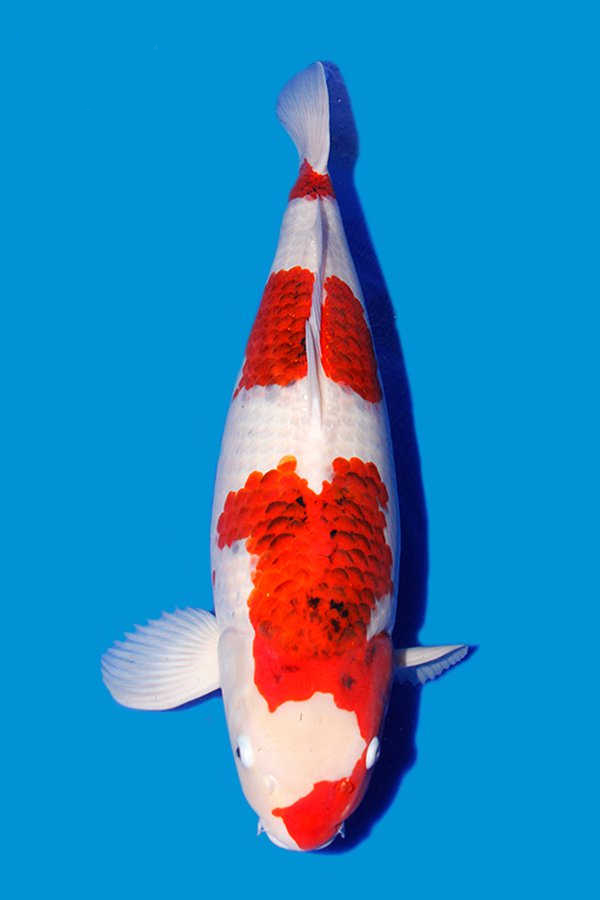
Symptoms and Prevention of Koi Side Sipi Trematode Parasite Disease
Side sipi trematodiasis, also called closed-mouth disease, is caused by the Japanese side sipi trematode (Asymphylodora japonica) parasitizing the front part of the intestine of fish. The worm body is small and flat, nearly oval, measuring 0.53-1.3 micrometers × 0.21-0.52 mm, with small spines covering the body surface. The oral sucker is located at the subanterior end, followed by the prepharynx, pharynx, and two ceca of the esophagus.
-
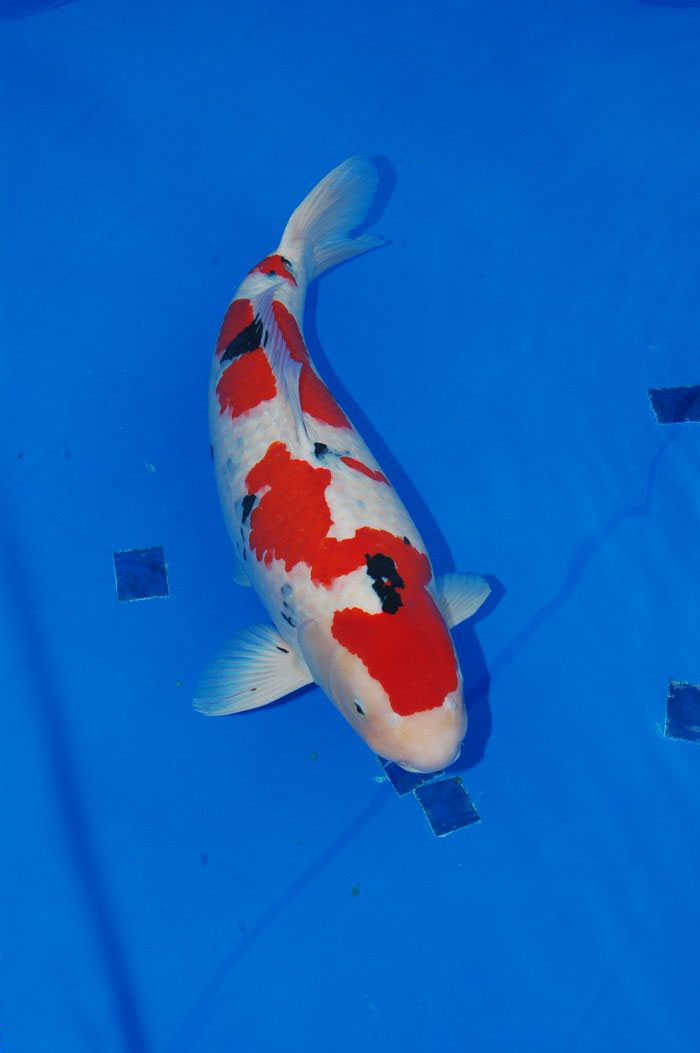
Koi fish farming: pay attention to the growth environment of Ichthyobodo and the prevention and treatment of parasitic diseases
Below we introduce the growth environment of Ichthyobodo, so that we can gain a deeper understanding of its characteristics. Ichthyobodo has extremely strong adaptability to the environment, and its main suitable water temperature is 12-20°C. The victims of Ichthyobodo disease outbreaks are mostly young fish; the younger the juvenile...
-
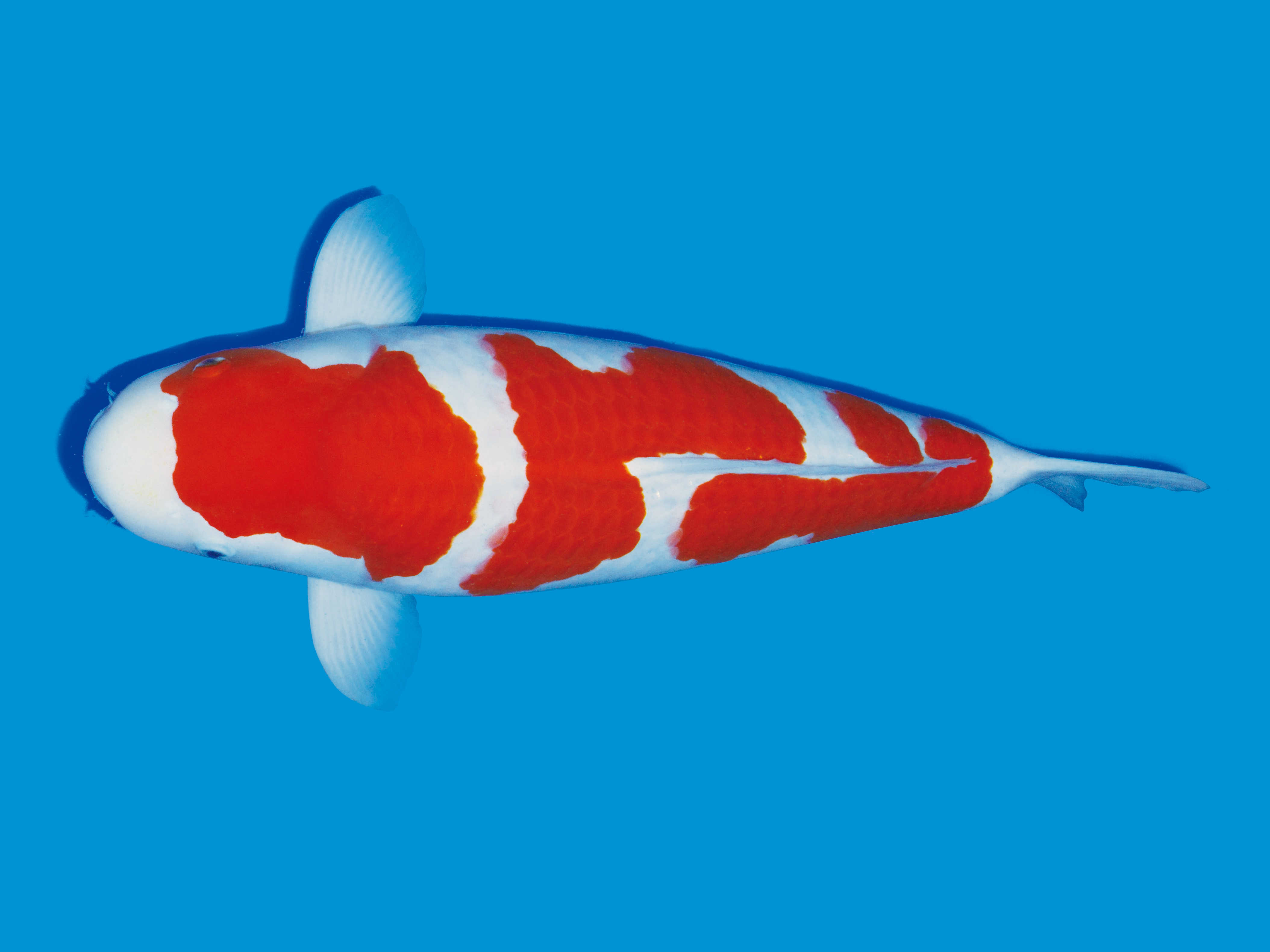
Koi Lying at the Bottom of the Tank with Suspected Red Worm Parasite Disease: Prevention and Treatment Methods
Red worms, also known as Philometra, are called red worms because their bodies are slender and bright red. The koi disease caused by red worms is called red worm disease. Red worms can be divided into two types: the carp red worm and the crucian carp red worm. The following mainly introduces the characteristics of carp red worm disease: carp red...
-
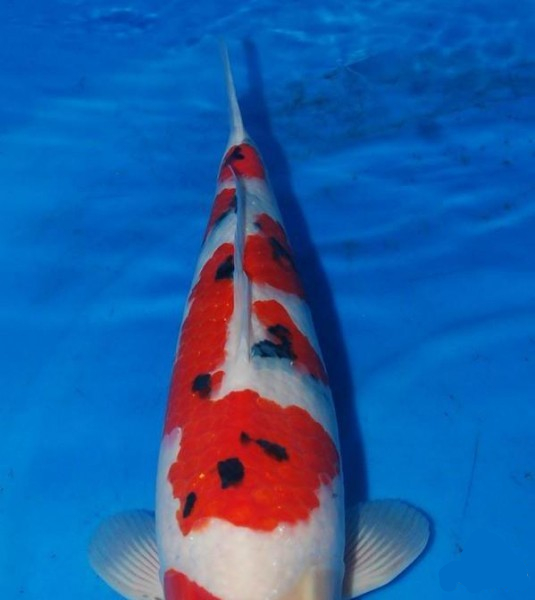
Causes and Prevention Methods of Spring Viremia in Koi Farming
Spring viremia of koi is mainly caused by koi rhabdovirus, and is a common disease in koi keeping. It only becomes prevalent in spring when the climate gradually warms (water temperature 13 to 20°C). Symptoms: It mainly affects koi over one year old; fry and broodstock are rarely infected....
-
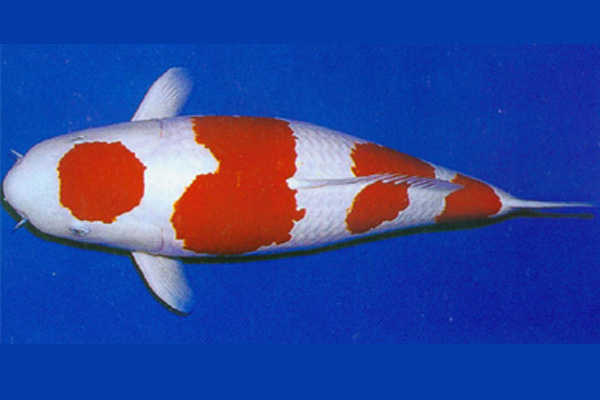
Causes of Koi Weakness and Prevention and Treatment of fin and tail rot disease
Treatment must first begin with confirming the disease, so the symptoms of koi fin and tail rot during the onset period are: first, the edges of the fins show a slight opaque appearance, then the membrane continuously peels off, exposing the fin rays, and the fin rays split one after another; if left untreated...
-
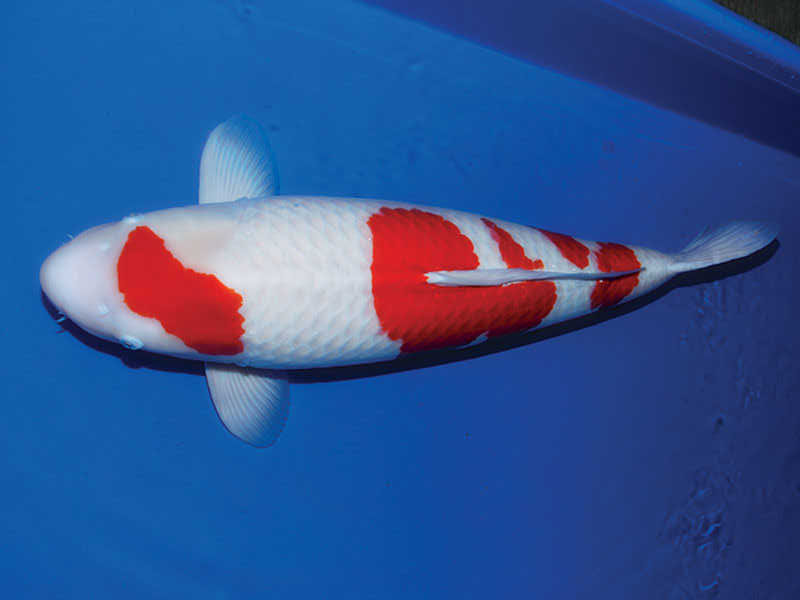
Koi Carp Farming and Ornamental Keeping: Costia Parasite Disease and Its Prevention and Treatment
Costiasis is one of the common parasitic diseases in koi carp, and it easily occurs in small fish tanks or small fish ponds with dirty water. After koi carp contract this disease, they often lie dormant at the bottom of the tank or pond, and in severe cases a layer of white or grayish-blue mucus attaches to the body, so it is also called white...
-
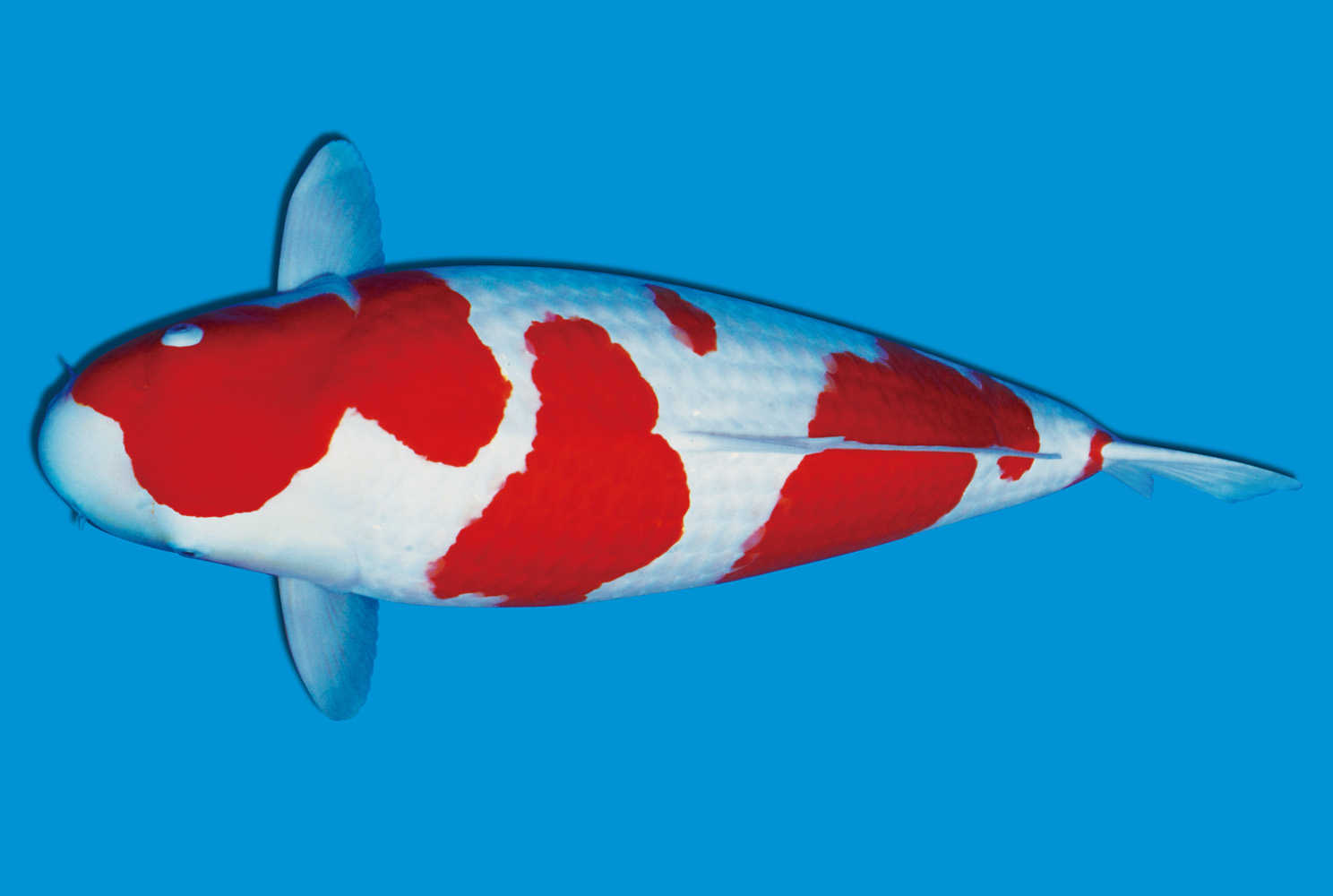
Koi Disease Symptoms and Other Diseases and Prevention: What to Do When a Fish Lies at the Bottom of the Tank
Koi are a large type of ornamental fish, and there are also a great many varieties of koi, enjoying the fine names of "living gems in the water" and "artworks that can swim." And because their requirements for water quality are not that high, they are very popular with people. But during...
-
Common Koi Diseases and Spring Fish Disease Prevention Methods
What are the prevention methods for koi fish diseases in spring? If you want koi to stay disease-free, we must do a good job of maintaining the water quality for raising koi. Most common koi diseases are caused by water quality. Suitable water quality environment for koi breeding: the water temperature is best at 23-25°C, the pH of the water...
-
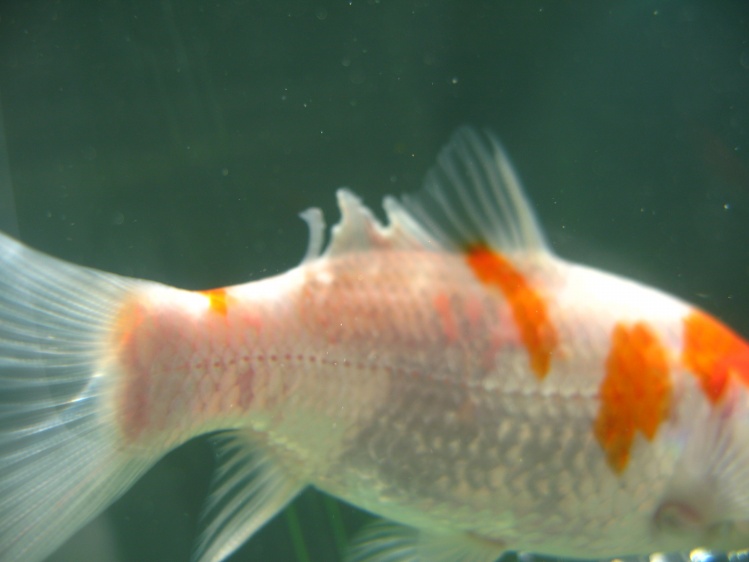
How to Keep Koi Fish? Common Breeding Mistakes and a Complete Guide to the Causes and Prevention of Tail Rot Disease
Koi Tail Rot Disease and Hole-in-the-Head Disease. The disease is contracted through skin infection after the tail fin is injured. Symptoms: In the early stage of the disease, there is a yellow or yellowish-white viscous substance on the outer edge of the fin and the caudal peduncle; then the tail fin and caudal peduncle become congested, inflamed and ulcerated. In severe cases, the tail fin rots away, and the ulcerated area...
-

条件筛选