-
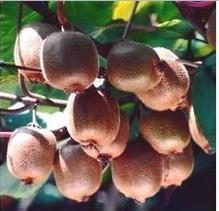
Kiwifruit sunscald disease must be prevented in advance during the high-temperature season
Kiwifruit is particularly sensitive to wind. In summer, the shoots grow very vigorously and are easily broken off by wind from the base, which not only affects the growth and fruiting of the current year but also affects the yield of the following year. At the same time, wind also easily bruises leaves and fruit, making the trees more susceptible to disease and reducing the marketability of the fruit. Strong winds can also cause leaf drop, affecting flowers...
-
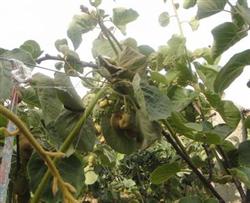
What are the measures to prevent high-temperature sunburn in kiwifruit?
In recent years, due to the high economic returns of kiwifruit, fruit growers in our area have rushed to introduce and plant it, but because we previously had little research on it, we also took many detours. Kiwifruit likes water but fears waterlogging, likes light but fears scorching sun; in its natural distribution it mostly grows in shaded and moist places, and is almost absent on sunny slopes and in arid areas. Zhouzhi County has more than 20 years...
-
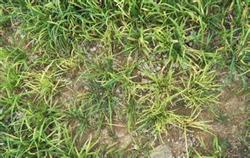
What to Do When Chives Get Fusarium Wilt? A Full Guide to Prevention and Control Measures
Symptoms of chive Fusarium wilt: In hot seasons, it may suddenly break out within 2 to 3 hours after rain followed by blazing sun. Water-scalded symptoms appear in the middle of the leaves or at the leaf tips touching the ground, and in severe cases all leaves show these symptoms and then completely die. Although diseased root clumps may sprout new plants, sometimes the spr...
-
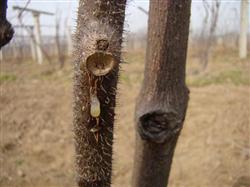
How to prevent and control kiwifruit bacterial canker in autumn? Remember these key points
Kiwifruit bacterial canker is the most serious disease affecting kiwifruit. As the weather turns cooler, temperatures drop and rainy days increase, favorable conditions are created for the occurrence and infection of this disease. Prevention and control of kiwifruit bacterial canker should be carried out early. The technical key points are as follows: Strengthen cultivation management. In autumn, increase the application of organic fertilizer, apply medium and trace element fertilizers in a balanced way...
-
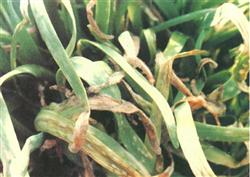
How to identify and prevent gray mold in Chinese chives? Growers, please pay attention
Gray mold is the main disease of Chinese chives in protected cultivation, seriously affecting the quality of Chinese chives marketed around the Spring Festival. Around the Spring Festival each year, the price of Chinese chives is generally at its highest of the year, and once the disease occurs it will cause relatively large economic losses to farmers. Therefore, preventing and controlling gray mold well is crucial for the production of Chinese chives in protected cultivation. 1. Onset...
-
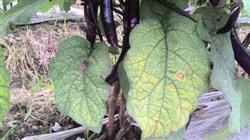
How to prevent and treat wilting and death in chili peppers and eggplants
For magnesium deficiency in eggplants, the first thing is to clarify what the symptoms of magnesium deficiency in eggplants are. The general characteristics are chlorosis and yellowing of the lower leaves, while the leaf veins remain green, and sometimes the leaves are also accompanied by orange-yellow, purple-red and other mixed colors. The difference from potassium deficiency is that magnesium deficiency chlorosis tends to become yellow-white or white; the difference from physiologically aging leaves is that with magnesium deficiency the leaf veins do not turn chlorotic,...
-
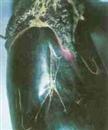
What are the methods to prevent lumpy fruit in greenhouse eggplants?
When the temperature in a solar greenhouse is too low, eggplants often develop lumpy fruit. The lumps are mainly concentrated at the front end of the fruit and appear as finger-like protrusions 0.5-1 cm high. When the fruit is broken open, it is found that in the places where the lumps have formed, there is a relatively large gap between the peel and the flesh. Causes: the greenhouse temperature is too low, especially under unusual weather conditions, when for 3 consecutive...
-
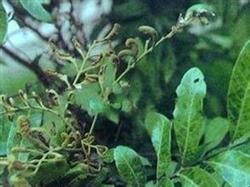
Detailed Guide to the Prevention and Control of Major Pests of Lychee and Longan
I. Pests More than 50 species of pests have been found on lychee and longan, among which the most common and serious ones are the lychee stink bug, the lychee fruit borer, the lychee tip moth, the longan Heliothrips moth, and the longan angular leaf psyllid, 5 species in total. The first 4 of these attack both lychee and longan, while the angular leaf psyllid attacks only longan. In our province, the lychee stink bug and the lychee fruit borer cause the most serious damage to lychee and longan.
-
The correct way to water flowers with beer water and rice-washing water, to prevent root rot
Keeping flowers at home is very common, but not many people can grow them well. Whether flowers can grow well depends most on fertilizing. The nutrient soil in pots has very few components and cannot provide nutrients to flowers over the long term. Many friends use beer or...
-

Causes of Mass Mortality in Razor Clam Farming and Prevention Methods
Causes of Mass Mortality in Razor Clams and Prevention Methods
条件筛选