Key points of pollution-free control techniques for vegetable aphids
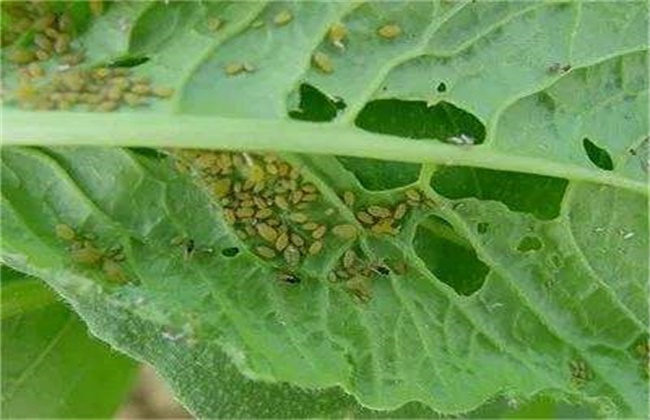
Aphids are the most common and longest-lasting pests in vegetable cultivation, and most farmers choose chemical pesticides to control them, which more or less causes pesticide residues. Adopting pollution-free control techniques, however, can reduce costs, lower pesticide residues, improve vegetable quality, and achieve the goal of pollution-free production. Let's take a look below.
1. Repelling aphids with plastic film
Aphids have a strong preference for different colors, and silver-gray has an excellent repellent effect on aphids. You can collect some silver-gray food bags and plastic bags. When using them, turn the plastic bags inside out so that the silver-gray side faces outward, then insert them on wooden sticks in the vegetable field or seedbed. This can achieve an excellent effect in repelling aphids and reducing the harm of infectious diseases such as viral diseases.
2. Trapping aphids with yellow boards
Silver-gray has a good repellent effect on aphids, while aphids have an excellent attraction to yellow, so yellow cardboard can be used in production to lure aphids. It is best to coat the cardboard with a layer of pesticide that is highly effective against aphids, and likewise insert it in the field or seedbed, keeping it level with the vegetables. When winged aphids see the yellow cardboard, they will land on it, get stuck to it, and the pesticide will also kill them. However, note that the yellow boards need to be replaced in time, which greatly reduces the harm adult aphids cause to vegetables.
3. Killing aphids with laundry detergent
Laundry detergent is a daily necessity for us, and using it to control aphids is also very convenient. The main ingredient of laundry detergent is sodium dodecylbenzenesulfonate, which has a very strong contact-killing effect on aphids. So you can dilute laundry detergent with water 400-500 times, use 60-80 kg per mu, and spray the field continuously 2-3 times, which can achieve an excellent control effect.
4. Killing with plants
The volatile odor of Chinese chives has an excellent repellent effect on aphids, so they can be planted together with other vegetables, which can significantly reduce the harm aphids cause to vegetables. In addition, tobacco can be ground into fine powder, mixed with a small amount of lime powder, and then scattered in the field, which has an excellent aphid-killing effect. Castor leaves can also be crushed and scattered, or soaked in water, steamed for 10 minutes, filtered, and then sprayed, which can also achieve a very good control effect.
5. Protecting natural enemies
Aphids themselves also have many natural enemies, such as the seven-spot ladybird, green lacewings, hoverflies, and so on, but because of the heavy use of pesticides, their numbers have become increasingly scarce, so attention should be paid to protecting and making use of them.
The above is an introduction to pollution-free control techniques for vegetable aphids. We hope it can help you. To learn more related knowledge, please stay tuned to us.