Detailed Explanation of Key Points for Pollution-Free Cultivation Techniques of Celtuce
Celtuce is a very common vegetable in our daily lives. Both its leaves and root stem can be eaten, and it is well received by many people. Therefore, the planting area of celtuce is relatively large now. However, during cultivation, celtuce often suffers from pests and diseases, leading to reduced yield. Thus, pollution-free cultivation techniques for celtuce are very important. So below, the editor brings you pollution-free cultivation techniques for celtuce. Let's take a look together!
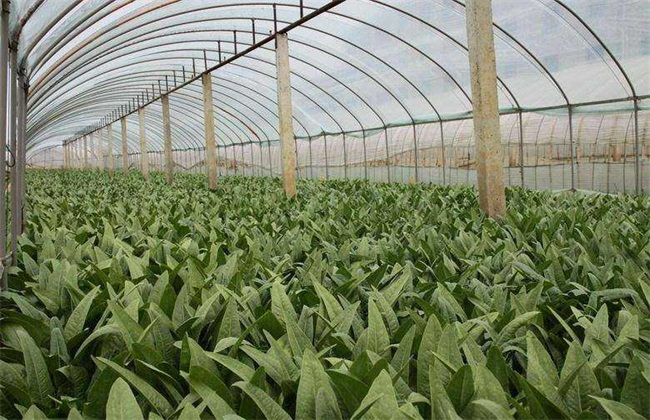
1. Soil Preparation
If celtuce is to achieve the goal of pollution-free cultivation, then the first thing to do well is the selection of soil. Soil that is soft, has normal drainage and irrigation, is rich in humus, and has good water and fertilizer retention should be the main choice. After selecting the soil, do a good job of land preparation by deep plowing and sun-drying the soil. Also apply sufficient base fertilizer, mainly farmyard manure, at about 2000 kg per mu. After sun-drying the clods for about a week, fine-till the land, then open furrows at a specification of about 185 cm. If planting in the current season, mainly use flat furrows; otherwise, mainly use high furrows.
2. Sowing and Transplanting
After completing the soil preparation work, we also need to disinfect the soil once, using pesticides such as Lorsban for drenching, to prevent celtuce from being affected by pests. After disinfection, sow appropriately, mainly by broadcasting, and control the sowing rate well. Usually the sowing rate per mu is about 30 grams; it should not be too much, otherwise it easily leads to overly dense growth. After sowing, cover with a layer of fine soil, just enough to cover the seeds, then cover the soil with a layer of rice straw. Then, when the seedlings grow to about 8 cm, transplant them. Seedlings that have already swollen should not be transplanted, to avoid premature bolting.
3. Field Management
After the celtuce seedlings are transplanted, pay attention to watering immediately to prevent the seedlings from dying due to lack of water. Then, after the seedlings survive, appropriately apply ammonium hydrogen carbonate, calcium superphosphate, etc., to promote seedling growth. After that, control the amount of fertilizer and water well, and do a good job of intertillage. After entering the rosette stage, water and fertilize more again. The fertilizer should be mainly urea, about 12 kg per mu, supplemented by potassium sulfate, about 5 kg per mu, and then the soil should be kept alternating between dry and wet. Finally, when the leaf surface closes the rows and the stem begins to swell, carry out the last topdressing, mainly with compound fertilizer.
4. Pest and Disease Control
Finally, we must do a good job in preventing and controlling celtuce pests and diseases. Celtuce is most susceptible to downy mildew. It is most likely to develop the disease especially in a high-temperature and high-humidity environment. Therefore, we must do a good job of prevention, and about 3 weeks after transplanting, appropriately spray pesticides such as metalaxyl mancozeb for control. Also pay attention to controlling sclerotinia rot, leaf spot disease, and thrips. In all cases, give priority to prevention, strengthen management, do a good job of intertillage, and control the temperature and humidity in the field well. Avoid unsuitable temperature and humidity creating conditions for pathogens to develop.
The above is a brief introduction to pollution-free cultivation techniques for celtuce. Pollution-free cultivation can effectively improve the quality and yield of celtuce, and can also increase planting benefits, so everyone can try it more. That is all for today's introduction. This article is for reference only, and I hope it can be helpful to everyone.