-
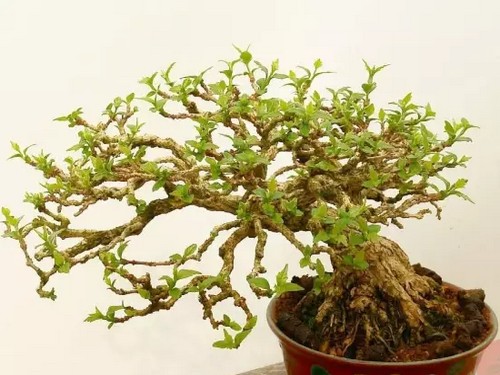
A Detailed Guide to Bonsai Pinching Techniques: Methods and Key Operation Points
Pinching, also known as topping, refers to removing the terminal bud of the shoot tip on a plant's main stem or lateral branch. It can remove the plant's apical dominance, inhibit the growth of the main branch, encourage the plant to produce more lateral branches, promote dwarfing of the plant, enrich the plant's form, and increase the sites and number of flowers. Pinching can also adjust the plant's vegetative growth
-
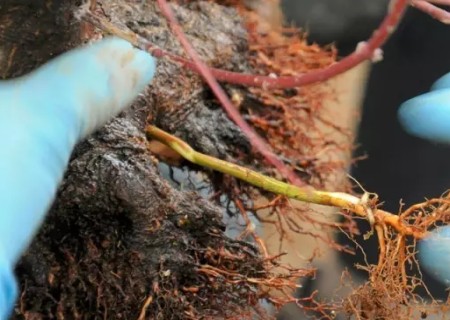
Detailed Explanation of Bonsai Root Grafting Techniques: Root Grafting Methods and Key Operation Points
For bonsai enthusiasts, roots are an important factor determining stability and a sense of age. Therefore, the term "first the root base, second the trunk, third the branches" is popular in the bonsai world. Thick roots exposed above the ground, with the trunk as the center, extending evenly in a horizontal manner in all directions, closely integrated with the ground - this is a good root base formation.
-
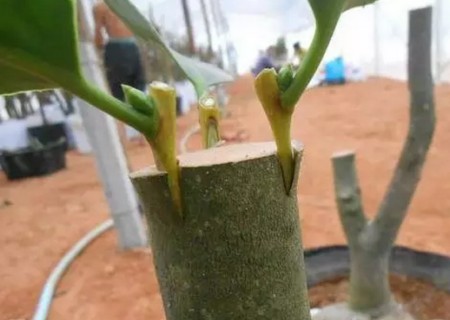
Detailed Explanation of Grafting Methods and Operation Steps for Potted Camellias
Placing a few pots of camellias in a room can make the environment more elegant and add charm to daily life. If potted camellias are styled and planted in a suitable pot to make a bonsai, their ornamental value is even higher. However, camellias are a tree species that is relatively difficult to graft successfully. To improve the grafting survival rate
-
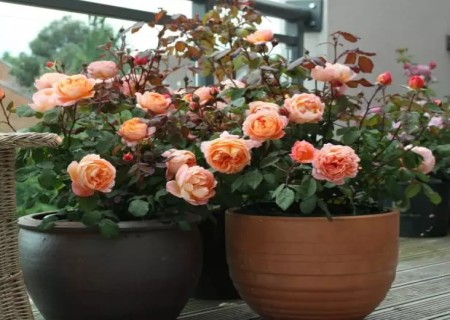
Detailed guide to air layering propagation for roses, all the operation steps are here
Roses come in a vast number of varieties and bloom all year round, with extremely rich colors: red as if painted with vermilion, white like plain jade, yellow like brocade, purple like gems, with vivid colors and dazzling variety, unmatched by many other flowers. Among rose propagation methods, air layering is one of the commonly used methods
-
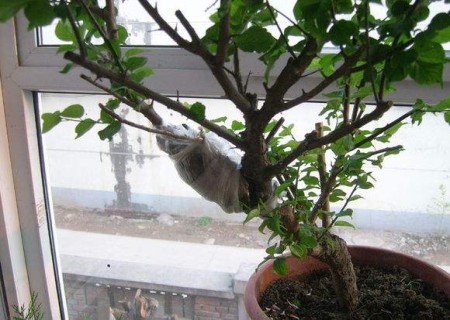
Detailed Explanation of Air Layering Propagation Techniques for Plum Blossom and Key Operation Points
Potted plum blossoms are mainly propagated by grafting, commonly using cut grafting and bud grafting. The rootstock is wild peach, mountain peach or apricot. The old trunk bark of apricot is red; when grafting red plum blossom onto it, the flower and bark colors harmonize. However, when the propagation quantity of plum is not large, the layering method can be used. Layering is a traditional method of propagating plum blossom, and it is best done in early spring from February to March, selecting vigorous 1-3 year old long branches.
-
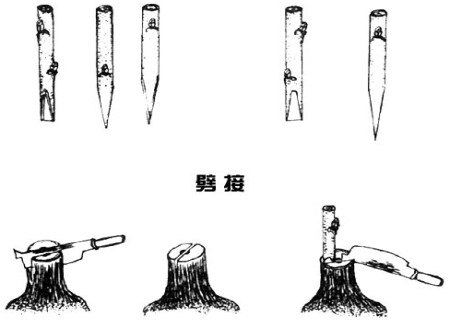
Detailed Explanation of the Key Operation Points of the Cleft Grafting Technique for Pear Trees
Among fruit trees, the pear tree is a species that is relatively easy to graft, and most grafting methods readily succeed. In summer, it is best to use the three bud grafting methods: patch budding, chip budding and T-shaped budding; in spring, it is best to use the two scion grafting methods: single-bud side grafting and cleft grafting
-
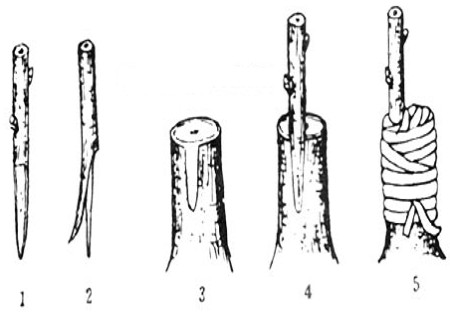
Detailed Explanation of the Operation Method for the Bark-Grafting Tongue Approach Technique on Pear Trees
Grafting is the artificial joining of tissues such as a branch or bud from one plant onto a suitable part such as the branch, trunk or root of another plant, so that they heal and grow together to form a new plant. This branch or bud is called the scion, and the plant that bears the scion is called the rootstock. When grafting
-
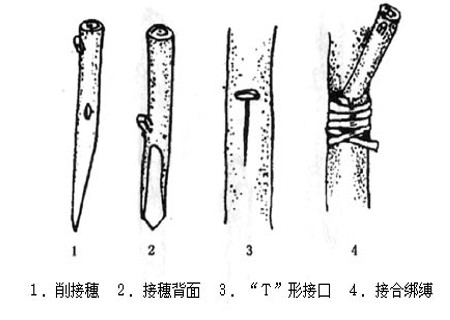
A detailed guide to the side-grafting technique for pear trees: master the key operation points
For grafting pear rootstock, I use T-shaped budding; for thicker suckers, side grafting or cut grafting can be used. For pear seedlings after transplanting and grafting, because the density in the sowing bed is relatively high, growth is often uneven, so it is best to plant out the grafted half-grown seedlings separately before spring growth the following year.
-
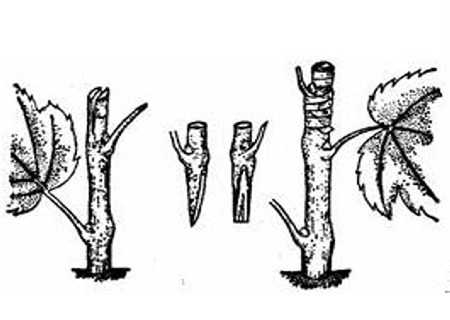
Key Points and Detailed Operation Methods of Softwood Grafting on Pear Trees
Grafting is a propagation method in which a branch or bud from one plant is attached to the branch, trunk or root of another plant so that they form a new plant. The nursery stock produced by grafting is called a grafted seedling. The branch or bud used for grafting is called the scion, and the plant that bears the scion is called the rootstock
-
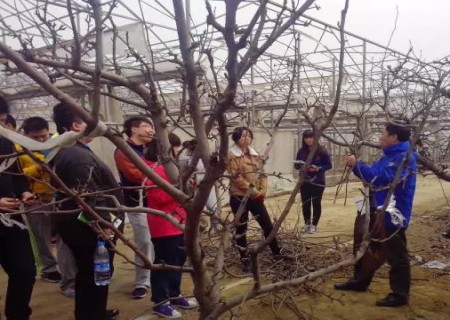
Key Points and Operation Methods of Chip Budding Grafting Technique for Pear Trees
Pear trees, due to the physiological characteristics of the variety or improper management, develop bare legs on the main branches (trunks), ultimately leading to a dense exterior and hollow interior, with fruiting branches becoming weak and shifting outward, ineffective consumption of nutrients, small fruit, poor quality, and low yield. To solve this problem, after several years of practical exploration
条件筛选