-
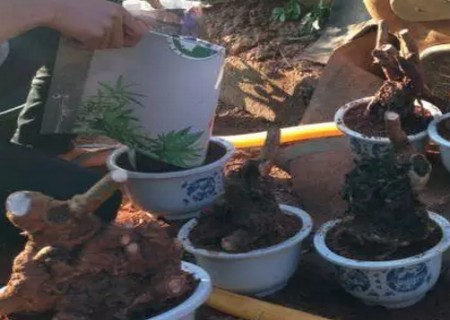
Detailed Explanation of the Transplanting Methods and Operation Steps for Collected Bonsai Deciduous Trees
Collected trees, that is, wild tree stumps dug from the mountains, used as bonsai material. Generally, such material possesses a strange, perilous, quaint and elegant effect that is very difficult to achieve by artificial means. Perhaps your firewood is someone else's bonsai material. Based on my more than ten years of understanding of bonsai stump transplanting
-
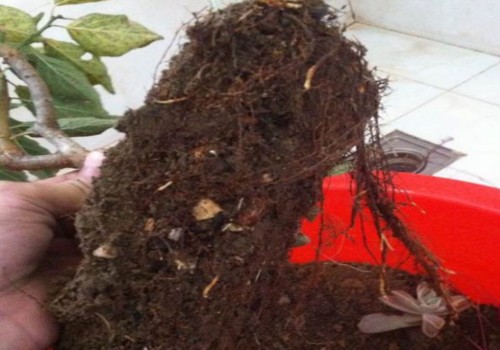
The correct method and operating steps for changing the soil of a plum blossom bonsai
Plum blossom is a flowering plant with fairly strong ornamental value, very suitable for flower viewing. After being trained into a bonsai, it can also be appreciated for its form and even its roots. Moreover, plum blossom is not strict about potting soil; usually, as long as it can meet the conditions of being fertile and loose, breathable and well-draining, it can often survive. But after all, it is grown in a pot
-
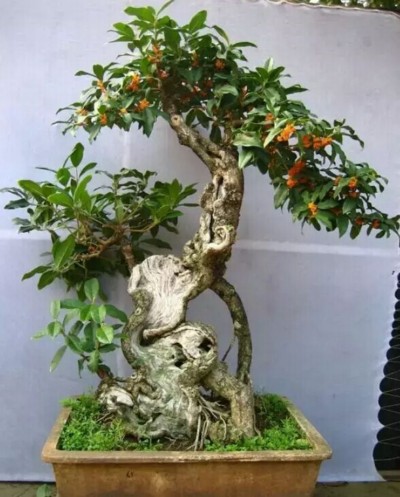
Detailed Explanation of Osmanthus Bonsai Grafting Methods and Operation Steps
Osmanthus has luxuriant branches and leaves, stays evergreen through all four seasons, with gnarled roots and graceful posture, brilliant flowers and rich fragrance. It also has biological characteristics such as strong sprouting ability, tolerance to pruning, and long lifespan, making it an excellent tree species for making tree bonsai. The process of making osmanthus bonsai is complex, learning from nature, and wonderfully exquisite
-
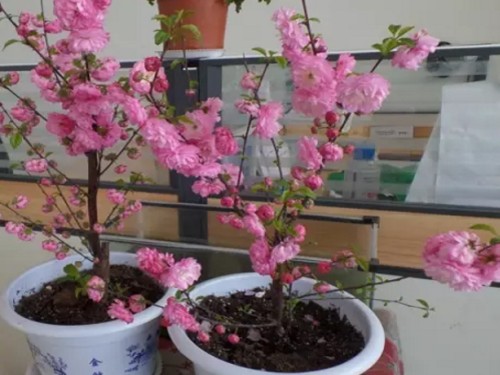
Detailed Explanation of Grafting Techniques and Operation Methods for Flowering Almond (Prunus triloba)
Flowering almond (Prunus triloba) has a cultivation history of several hundred years in China, and it is planted in most parks across the country. This species blooms early and is mainly grown for ornamental purposes. Common cultivated types include the double-flowered flowering almond (double flowers, pink; sepals usually 10) and 'Luanzhi' (10 petals and 10 sepals, pink flowers; leaf undersides hairless).
-

The full dental implant process has three stages, from preoperative examination to postoperative follow-up visits
The dental implant process is not as frightening as it sounds, and professional dental hospitals are already well versed in it. This article explains the whole process of dental implants: preoperative oral examination and bone quality assessment, intraoperative placement of pure titanium implant screws, and regular postoperative follow-up visits, to help you get implants with peace of mind.
-
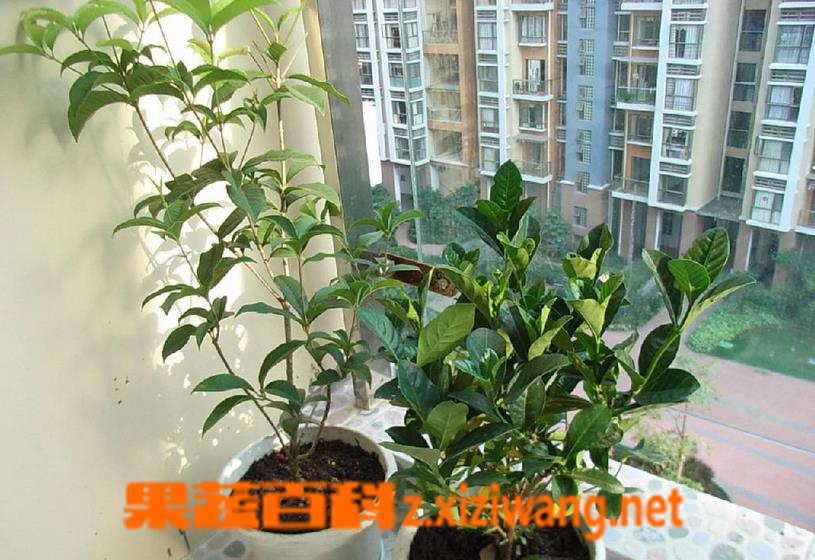
Detailed Explanation of Osmanthus Grafting Methods and Operation Steps
How to graft osmanthus. Osmanthus is one of the ten most famous flowers in China. It stays evergreen through all four seasons, with a rich fragrance that carries far and clear, making it the finest of all flowers. Osmanthus is not only a garden tree species for greening, beautifying and perfuming the environment, but also an economic tree species specially used for supplying spices, food, winemaking and medicine.
-
Preoperative Basics You Need to Know About Installment Payments for Dental Implants
Recently, a hot article circulating online is about how dental implant prices are too high, and most patients cannot afford the expensive price, so clinics, in response to these reasons, have introduced...
-
Technological innovation and cooperative support sweeten growers' hearts
Introduction: Chinese agriculture is booming, and more and more new farmers are getting involved. The corresponding planting techniques are constantly being improved. The editor has collected 3 new techniques and promotional...
-
"Hair Encyclopedia" Scar Hair Transplant Pre-operative and Post-operative Precautions
Scar hair transplant can effectively improve the damage caused by scar-related hair loss and help patients with scar-related hair loss regain their confidence. Good post-operative care is also a guarantee of the results of scar hair transplant...
-
New soybean topping technique for higher yields: operate this way to get a bigger harvest
Soybean terminal buds have strong growth vigor and consume a lot of nutrients. Removing the terminal buds of soybean transfers nutrients to the pods, which helps increase yield. This is especially true for soybean with higher soil fertility and vigorous growth; timely removal of the terminal buds makes the yield-increasing effect even more pronounced. The method for removing soybean terminal buds is: at the early flowering stage, the peak of soybean growth, pinch off the 2-3 cm tender tip at the top of the main stem, so that apical growth is inhibited and nutrients are concentrated for reproductive growth, promoting more flowering and more pod setting, and helping to make the plants shorter and sturdier and enhance stress resistance. Soybean topping should follow the “three
条件筛选