-

What are the 5 vegetables that mothers cannot eat during breastfeeding?
During breastfeeding, mothers need to pay attention to their diet, because some foods can cause a mother's milk supply to dry up, and others can cause discomfort in the baby through breast milk, so...
-
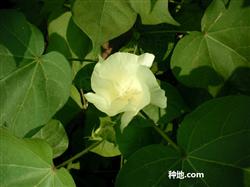
What are the control methods for the cotton stem wood moth borer?
What diseases occur during the cotton boll stage? How should they be controlled? How to control cotton boll stage diseases? The occurrence of cotton boll stage diseases is closely related to climate, variety, insect pests, and cultivation techniques during the growth period. Therefore, the control of cotton boll stage diseases should adopt comprehensive control measures focusing on cultivation management, combined with chemical protection.(...
-

Occurrence Patterns and Control Methods of the Potato Tuber Moth
The potato tuber moth, also known as the potato borer and the tobacco leafminer, is commonly called the "string-skin worm," "embroidery worm," and "potato maggot" by farmers. 1. Damage symptoms: The larvae cause damage mainly by boring and feeding, usually entering through the buds and broken skin of the tubers. Larvae hatched on the plant spin silk and spread with the wind, boring from the leaf surface into the leaf interior to feed and cause damage. After the damaged leaves wither and die, the larvae move to other leaves to cause damage. 2. Occurrence patterns: The potato tuber moth produces several generations a year, overwintering in various stages on mother tubers in the field and on the residual plants and fallen leaves of various hosts. Adult
-
Angoumois grain moth
Scientific name Sitotroga cerealella (Olivier), belonging to Lepidoptera, family Gelechiidae. Distributed throughout the country. Hosts include wheat, corn, rice, sorghum, buckwheat, seeds of gramineous weeds, edible fungi, etc. Damage characteristics: larvae bore into and feed on the above seeds. Morphological characteristics: adult body length 4-5mm, wingspan 14-18mm, body grayish yellow; compound eyes black, antennae filiform, grayish brown; top of head and face densely covered with grayish brown scales; labial palps grayish brown, the second segment relatively thick, the third segment tapering to a point at the tip
-
Identification and Control Methods of the Wheat Ear Moth
Scientific name Apamea sordens (Hufnagel), belonging to Lepidoptera, Noctuidae. Also known as the wheat ear worm. Distributed in Inner Mongolia, Gansu, Qinghai and other provinces. Hosts include wheat, barley, highland barley, wheatgrass, and Iris lactea. Damage characteristics: newly hatched larvae first feed on the floral organs and ovary of the ear, and a few feed on the tender inner surface of the glumes; after consuming these they move to cause damage elsewhere. After the 2nd-3rd instar they feed and hide inside the grains; after the 4th instar the larvae move to the flag leaf, spin silk to bind the leaf margins into a tube shape, and after sunset seek out wheat ears to feed.
-
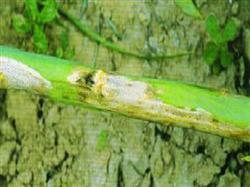
What are the key technical points for harvesting asparagus while retaining the mother stalks?
Asparagus stem blight is a devastating disease known as "asparagus cancer." Once stem blight occurs, it causes reduced yields in mild cases and total crop loss in severe cases, bringing huge losses to asparagus growers. Affected by the 2003 SARS outbreak, asparagus prices were low, many growers abandoned management, stem blight outbreaks were relatively severe, and asparagus fields...
-
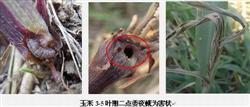
Technical key points for controlling the two-spotted field noctuid moth (Athetis lepigone) during the seedling stage of summer corn
The two-spotted field noctuid moth is a newly emerged pest in summer corn production areas in China. Returning wheat straw to the field provides an excellent environment for the two-spotted field noctuid moth to choose hidden, moist places for laying eggs and hatching. Once the larval peak period coincides with the corn seedling stage and suitable rainfall occurs, it may cause serious damage. The two-spotted field noctuid moth's...
-
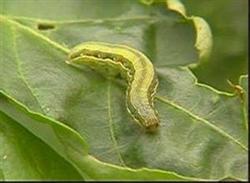
Control Methods and Technical Key Points for the Cabbage Moth
The cabbage moth, also known as the cabbage cutworm and vegetable armyworm, has the Latin scientific name Mamestra brassicae Linnaeus and belongs to the order Lepidoptera, family Noctuidae. The cabbage moth has an extremely diverse diet, with known hosts reaching over 100 species across 45 families. Among vegetables, its main hosts include cabbage, cauliflower, Chinese cabbage, radish, rapeseed, solanaceous and fruiting vegetables, legumes,...
-
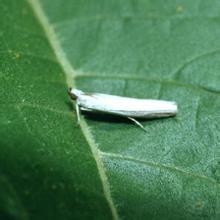
Damage Caused by the Sunflower Moth Borer and Its Control Methods
Damage characteristics: The 1st-2nd instar larvae gnaw on the tubular florets; after the 3rd instar they bore along the gaps between the arranged sunflower seeds to feed on the seeds, eating part or all of the kernel, resulting in empty shells or bored heads, tunneling the flower head into many galleries, and spinning silk webs on the seeds of the head that bind frass and debris, appearing like a felt of silk. The damaged heads mostly rot and grow moldy,...
-
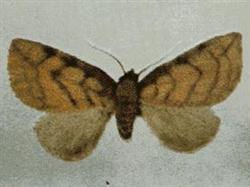
Control Methods and Technical Key Points for the Buckwheat Hook-wing Moth
The buckwheat hook-wing moth belongs to the order Lepidoptera, family Drepanidae. The adult has a body length of 10-13 mm and a wingspan of 30-36 mm, with 3 outward-curving ">"-shaped yellowish-brown lines on the forewings. The larva has a body length of 20-30 mm; young larvae are green or grayish-brown, gradually turning dark brown as the instar increases, and mature larvae are dirty white. This pest mainly...
条件筛选