-
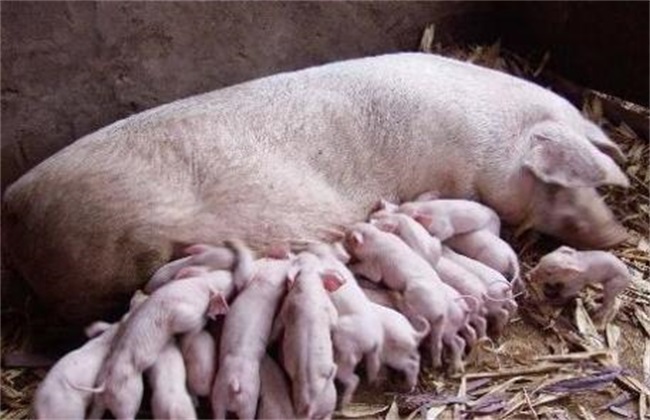
Common Problems of First-Time Mother Pigs and Scientific Solutions
Common Problems of First-Time Mother Pigs
-
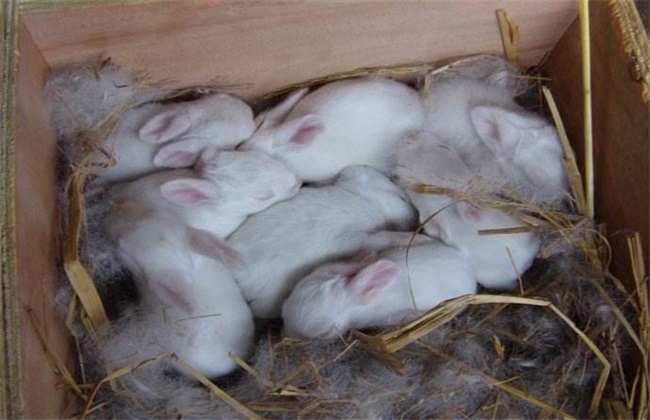
What to Do If a Mother Rabbit Refuses to Eat After Giving Birth? Causes and Solutions
Mother Rabbit Refuses to Eat After Kindling: What to Do If the Mother Rabbit Won't Eat
-
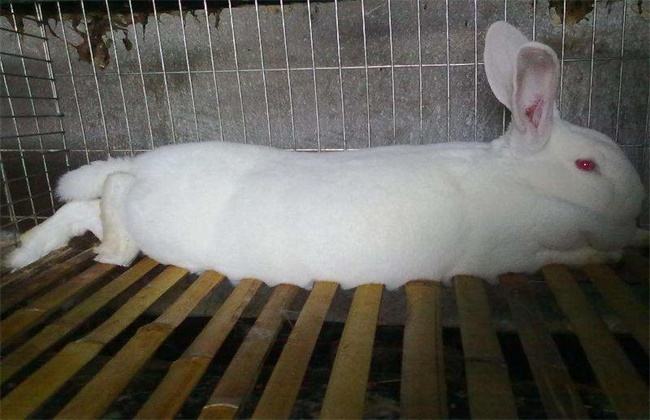
What are the common signs before a mother rabbit gives birth
What are the signs before a rabbit gives birth
-

Phalaenopsis (moth orchid) home growing methods and precautions
Phalaenopsis, named for its graceful posture and flowers shaped like butterflies, is widely cultivated around the world. To grow brilliantly colorful Phalaenopsis, you need to master the growing methods and...
-

How Does a Mother Dog Give Birth? A Detailed Explanation of the Entire Whelping Process
The first step of a mother dog giving birth: the mother dog will experience labor pains and an uneasy expression due to uterine contractions. From the onset of labor pains in the mother dog to the birth of the puppies and their departure from the mother's body, the birth of each puppy takes roughly only one hour; if it exceeds one hour, a veterinarian should be contacted immediately. When each puppy is born, it is wrapped in a thin placental membrane. At this point, the mother dog will bite and pull the puppy's umbilical cord, and lick away the membrane with her mouth so the puppy can breathe deeply, then slowly lick the adorable puppy
-
What measures are there to keep fox cubs alive after the mother fox gives birth?
Fox cubs before weaning are called cubs. Before birth, the cub lives in the mother's uterus under fairly stable conditions and is not easily affected by harmful external factors. After birth, the living conditions change dramatically: from gas exchange, nutrient intake and waste removal through the placenta, it must now breathe, feed and excrete on its own. Because the cub's regulatory functions are not yet fully developed, sudden changes in environmental conditions can easily cause illness and even death. To improve the survival rate of fox cubs, the following measures are proposed for reference
-
What preparations should a mother dog have in place before pregnancy?
Most generally healthy dogs can mate, conceive and give birth on their own without human help, but if a female dog at home becomes pregnant, or if you are arranging a mating for her, the dog owner must take responsibility for the health and safety of both the mother dog and the puppies. Before mating, besides making sure the mother dog has been dewormed first and confirming that all the vaccinations she should have had are indeed fully completed, the mother dog herself should have a strong, healthy body and be free of congenital hereditary diseases or defects.
-
How to Feed a Nursing Mother Dog? A Detailed Guide to Scientific Feeding Methods
The first milk a mother dog produces after giving birth is called colostrum. Colostrum contains a variety of nutrients and can protect the puppies against viruses or other infectious diseases, so it is very important to let every puppy drink colostrum. If the mother dog does not have enough milk to feed her puppies, the dog owner must use a bottle to feed a supplement specially formulated for puppy nutrition. In addition, a nursing mother dog needs sufficient nutrients to replenish her milk supply, and at the same time, a complete diet must be prepared for weaned puppies; your veterinarian can provide the best feeding plan for all of this.
-
Analysis of the reasons why first-time mother pigs refuse to nurse
For first-time mother pigs refusing to nurse, the solutions are: 1. Fix the nursing positions. After farrowing is complete, arrange the piglets around the lying sow with the weak ones in front and the strong ones behind, let them find the teats on their own, observe and adjust promptly, and after 2 to 3 days they will be fixed in an orderly arrangement. 2. Treat udder inflammation. Whenever the milk is plentiful and the piglets have just started sucking the teats, if the sow immediately lets out a scream, jumps up suddenly and even tries to bite the piglets, it means the sow has mastitis
-
How to raise first-time mother pigs? Master these breeding secrets
1. Nutritional regulation during the growing period. For young sows (two-way crossbreeds), starting from 30 kg body weight, each kg of compound feed in the diet should contain 13 megajoules, 16% crude protein, 0.8% lysine, 0.75% calcium, and 0.65% phosphorus; do not restrict feed intake, and let them eat as much as possible. Starting from 45 kg body weight, increase the calcium and phosphorus content by 0.1% each. At 150 days of age, when the young sow weighs about 80 kg, control feed intake to 2.3 kg to 2.5 kg per day. For native-breed young sows, the calculated body weight should be 2 kg to 3 kg less.
条件筛选