Damage Caused by the Sunflower Moth Borer and Its Control Methods
Damage characteristics: The 1st-2nd instar larvae gnaw on the tubular florets; after the 3rd instar they bore along the gaps between the arranged sunflower seeds to feed on the seeds, eating part or all of the kernel, resulting in empty shells or bored heads, tunneling the flower head into many galleries, and spinning silk webs on the seeds of the head that bind frass and debris, appearing like a felt of silk. The damaged heads mostly rot and grow moldy,...
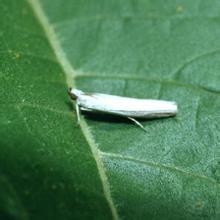
Damage characteristics:
The 1st-2nd instar larvae gnaw on the tubular florets; after the 3rd instar they bore along the gaps between the arranged sunflower seeds to feed on the seeds, eating part or all of the kernel, resulting in empty shells or bored heads, tunneling the flower head into many galleries, and spinning silk webs on the seeds of the head that bind frass and debris, appearing like a felt of silk. The damaged heads mostly rot and grow moldy, reducing yield and quality.
(1) Choose insect-resistant varieties. Varieties that form a hard shell layer quickly suffer little or no damage, and small-seeded oil-type varieties suffer less damage than large-seeded edible varieties.
(2) Autumn plowing and winter irrigation can turn large numbers of overwintering cocoons into the soil, reducing the overwintering insects.
(3) In early August, during the larval stage, spray pesticides: 90% crystalline trichlorfon at 500-1000 times dilution, or 80% dichlorvos emulsifiable concentrate at 1000-1500 times dilution, or 25% ikaruga emulsifiable concentrate at 1500 times dilution.