-
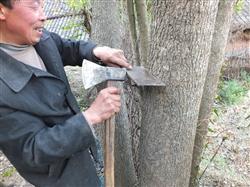
What are the harvesting and processing methods for Eucommia ulmoides?
How is Eucommia ulmoides harvested and processed? Please explain the methods. Eucommia ulmoides is a commonly used traditional Chinese medicine, and harvesting is done by the bark-stripping method. In our province, the more suitable time for bark stripping is from June 20 to July 31. The climate is suitable during this period, and after stripping, Eucommia ulmoides readily regenerates new bark, with a high survival rate. When stripping bark, first make a ring cut around the upper and lower ends of the section of the trunk to be stripped...
-

Detailed Explanation of Eucommia ulmoides Seedling Raising Methods and Planting Techniques
How to raise seedlings and plant Eucommia ulmoides? Please give an introduction. There are many propagation methods for Eucommia ulmoides, and the common ones include seed sowing seedling raising, stem cutting, residual root seedling cultivation, and seedling root seedling raising. (1) Seed sowing seedling raising: first select and breed superior seeds, then carry out seed sowing seedling raising. From robust-growing, smooth-barked, pest- and disease-free trees about 20 years old that have not been stripped of bark for use...
-
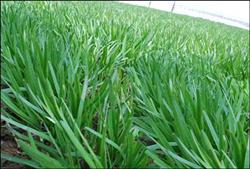
How to manage chives in autumn? A detailed guide to cultivation and management methods
How to manage chives in autumn? Please provide an introduction to the methods. After the Start of Autumn, the climate turns cooler, sunlight is abundant, and rainfall gradually decreases. Chives photosynthesize vigorously, grow quickly, and accumulate nutrients in the root system. This is the key period for strengthening seedlings and nourishing roots. In autumn, chives can be managed with reference to the following methods: Fertilizer and water management for chives: After the Start of Autumn...
-
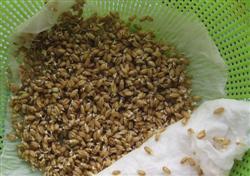
Detailed Explanation of Lettuce Germination Methods and Planting Techniques for Summer and Autumn
How do you germinate lettuce in summer and autumn? What methods can be used for germination? Please introduce the methods. The germination methods for summer and autumn lettuce can refer to the following list: The temperature range for lettuce seed germination is 5~25°C, and germination is hindered above 30°C. When sowing summer and autumn lettuce, the air temperature is relatively high, so subjecting the seeds to low-temperature treatment can make them emerge earlier...
-
Cultivation Techniques for Phoenix Oyster Mushrooms and Control Methods for Yellow Mushroom Disease
How to control yellow mushroom disease in phoenix oyster mushrooms? Please explain the methods. Yellow mushroom disease in phoenix oyster mushrooms is a bacterial disease caused by infection with Pseudomonas bacteria, which makes the fruiting bodies discolored, rotten, and foul-smelling, and the incidence rate is generally higher in the first flush. When the disease occurs, slime-like pathogenic bacteria appear on the surface of the substrate bags, some mycelia show yellowing symptoms, and in severe...
-
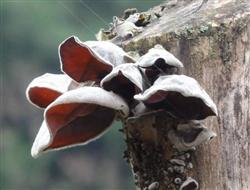
How to grow white-backed wood ear? A detailed guide to black wood ear cultivation methods
How to grow white-backed wood ear? An introduction to the environmental requirements of white-backed wood ear (1) Temperature. The suitable temperature range for mycelial growth is 8-37°C, with the optimum at 25-28°C; the suitable temperature range for fruiting body growth and development is 13-30°C, with the optimum at 18-22°C. Above 26°C the ear pieces grow quickly but are thin and turn red, resulting in poor product quality...
-
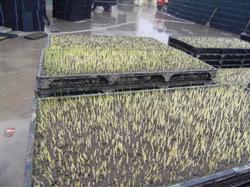
What are the control methods for rice seedling blight?
What harm does rice seedling blight cause? How do you control rice seedling blight? Experienced gardeners are also invited to help explain. For the harm and control methods of rice seedling blight, you can refer to the following introduction. Harm of rice seedling blight 1. Harm of seedling blight to rice sprouts: it occurs before emergence or just as the seedlings emerge; the young sprouts or young roots of the seedlings turn brown, and the diseased sprouts become distorted, rot, and die. Mold layers form on the seeds or at the base of the sprouts.
-
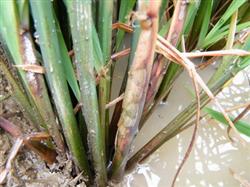
How to prevent and control rice sheath blight? A detailed guide to the control methods
How serious is the damage caused by rice sheath blight? How do you prevent and control rice sheath blight? We ask netizens to help explain. The damage caused by rice sheath blight is divided into leaf sheath infection, leaf infection and stem infection, described in detail below. Leaf sheath infection: near the water surface, small dark green water-soaked spots with blurred edges appear, which then gradually expand into an oval or...
-
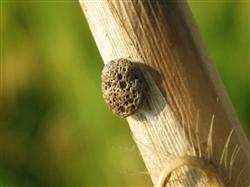
What are the control methods for rice sheath blight?
How should rice sheath blight be controlled? When is the best time to start detailed control of rice sheath blight? Please help advise. The harm of rice sheath blight to rice is very serious. The best control method is to start control from the very beginning of preparing to plant rice. The following is a detailed introduction to the control methods and reasons for your reference...
-
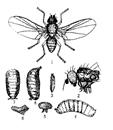
What are the control methods for rice leafminer?
This year when planting rice, I found a large number of leafminers in the field. What harm does the rice leafminer cause? How do you control the rice leafminer? We ask fellow netizens to help introduce and guide methods for controlling the harm and control methods of the rice leafminer. Zhongdi Web gives a detailed introduction and control methods below for the reference of fellow netizens. Rice leafminer...
条件筛选