Cultivation Techniques for Phoenix Oyster Mushrooms and Control Methods for Yellow Mushroom Disease
How to control yellow mushroom disease in phoenix oyster mushrooms? Please explain the methods. Yellow mushroom disease in phoenix oyster mushrooms is a bacterial disease caused by infection with Pseudomonas bacteria, which makes the fruiting bodies discolored, rotten, and foul-smelling, and the incidence rate is generally higher in the first flush. When the disease occurs, slime-like pathogenic bacteria appear on the surface of the substrate bags, some mycelia show yellowing symptoms, and in severe...
How to control yellow mushroom disease in phoenix oyster mushrooms? Please explain the methods
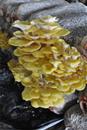
Yellow mushroom disease in phoenix oyster mushrooms is a bacterial disease caused by infection with Pseudomonas bacteria, which makes the fruiting bodies discolored, rotten, and foul-smelling, and the incidence rate is generally higher in the first flush. When the disease occurs, slime-like pathogenic bacteria appear on the surface of the substrate bags, some mycelia show yellowing symptoms, and in severe cases the pathogen directly attacks the mushroom bodies, causing diseased mushrooms to develop lesions, turn yellow, and even die. From infection by the pathogen to the appearance of symptoms (dead mushrooms), it takes only a few hours. ① Dry rot type: it can occur from the young mushroom stage to maturity; after onset, part of the cap or stipe turns scorched yellow, causing light-colored mushrooms to become yellow mushrooms, and the mushroom bodies grow slowly and gradually become rigid until the whole mushroom body shrinks and dries up, as if dried out from lack of water. ② Wet rot type: the diseased area or the entire cluster of mushrooms feels sticky and wet; in severe cases, all diseased mushrooms show pale yellow water-soaked rot, with viscous secretions and a foul odor.
Causes of phoenix oyster mushroom disease:
(1) Poor ventilation in the mushroom shed, high temperature, high humidity, and frequent watering.
(2) Low management level, failure to remove diseased mushrooms in time, insect damage, and improper manual handling can all cause the occurrence of this disease.
(3) Old mushroom houses that have been cultivated for consecutive years or have previously grown enoki mushrooms (Flammulina velutipes) without thorough disinfection.
(4) Poor quality of spawn or substrate bags and lack of disease resistance.
Preventive measures for phoenix oyster mushrooms:
(1) Improve the resistance of phoenix oyster mushroom spawn itself, cultivate healthy substrate bags, and continuously enhance their disease resistance.
(2) Regularly disinfect the mushroom house.
(3) Pay attention to the water quality used for spraying; for each use, add 20-25 g of bleaching powder to every 50 kg of water. At the same time, prevent the spread of pathogens during manual handling.
(4) Appropriately increase ventilation and air exchange, especially for large mushroom sheds of more than 200 sq m with small spacing between sheds and low-lying terrain, where ventilation should be strengthened even more. On hot, windless, or rainy days, carry out thorough ventilation.
Treatment methods for phoenix oyster mushrooms:
(1) For substrate bags that are about to fruit or are being prepared for fruiting, frequently spray the pollution-free special fertilizer for edible fungi - Gususu or gene activator, to improve mycelial disease resistance and also increase yield and improve quality.
(2) Regularly use low-toxicity, residue-free pesticides to cut off insect transmission routes. When there are no mushrooms, use the special-effect edible fungus mite-control agents produced by the Zhejiang Academy of Agricultural Sciences - Chongmanling or Guchongsusha for control; Chongmanling is especially effective for pest control and also protects and promotes mycelial growth.
(3) Each time you spray water, add 3-4 tablets (6-8 g) of improved Wanxiaoling to every 50 kg of water; for those already diseased, add 10 tablets (20 g) of improved Wanxiaoling for treatment, or use 25% Jundu Xianfeng plus oxytetracycline for treatment; alternating the two gives the best effect.
Click to get more phoenix oyster mushroom cultivation techniques
Click to get more edible fungus cultivation techniques