How to manage chives in autumn? A detailed guide to cultivation and management methods
How to manage chives in autumn? Please provide an introduction to the methods. After the Start of Autumn, the climate turns cooler, sunlight is abundant, and rainfall gradually decreases. Chives photosynthesize vigorously, grow quickly, and accumulate nutrients in the root system. This is the key period for strengthening seedlings and nourishing roots. In autumn, chives can be managed with reference to the following methods: Fertilizer and water management for chives: After the Start of Autumn...
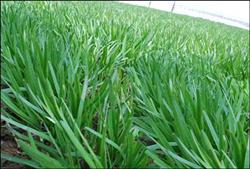 How to manage chives in autumn? Please provide an introduction to the methods
After the Start of Autumn, the climate turns cooler, sunlight is abundant, and rainfall gradually decreases. Chives photosynthesize vigorously, grow quickly, and accumulate nutrients in the root system. This is the key period for strengthening seedlings and nourishing roots. In autumn, chives can be managed with reference to the following methods:
ChivesFertilizer and water management:After the Start of Autumn, temperatures gradually drop, which is favorable for chive growth. Before the chives grow rapidly, a heavy topdressing should be applied once, with 300-500 kg of decomposed soybean cake applied per 667 sq m. When topdressing, use a bamboo pole to push the chives from between the rows to both sides, exposing the ground between the rows, open a small ditch, scatter the soybean cake inside, and then cover with soil. After fertilizing, water heavily once. Alternatively, water first, and once the bed surface is suitable, use a bamboo pole to divide the chives from between the rows to both sides, spread the soybean cake between the rows, then hoe, mix the soybean cake with the soil, and firm it down. After that, water once every 5-7 days, for 4-5 consecutive times. In late September, apply 20 kg of urea per 667 sq m together with watering. In early October, stop watering and fertilizing.
ChivesStop harvesting to prevent lodging:Stop harvesting during the root-nourishing period of chives. After harvesting stops, chives grow quickly and are prone to lodging. Once the field becomes shaded, diseases and leaf rot often occur. Therefore, supports should be set up on both sides of the chive bed, and wire should be pulled inside the bed to prevent chives from lodging. This helps ventilation and light penetration in the field, maintains vigorous photosynthesis in chives, promotes chive growth, and reduces the occurrence of pests and diseases.
ChivesPest and disease control:During the root-nourishing period of chives, attention should be paid to pest and disease control. The main diseases are chive phytophthora blight and gray mold, with high temperature and high humidity being the main causes of onset. Commonly used agents include 50% carbendazim wettable powder 500-800 times solution, or 50% triadimefon 800-1000 times solution. The main insect pests are chive maggots, thrips, and others. Chive maggots cause damage in autumn from September to October. To control the larvae, 50% phoxim emulsifiable concentrate 3000 times solution can be used and poured along the chive roots, or 150-200 ml of Lorsban emulsifiable concentrate per 667 sq m, mixed with 1000 kg of water, with the sprayer nozzle removed, and the solution sprayed along the rows into the chive root area.
Click to get more chive cultivation techniques
Click to get more vegetable cultivation techniques