-

Key Technical Points and Methods for Light Pruning of Tea Plants
Light pruning is a shaping and pruning operation carried out on the basis of formative pruning, with the aim of continuing to develop the tea plant canopy and the plucking surface. The cutting position is generally raised 4-8 cm above the previous year's cut. For spring tea harvested with leaves retained, keep the spring shoots and cut off the summer and autumn shoots. For spring tea harvested without leaves retained while summer tea is harvested with leaves retained, cut off the shoot position above the true leaves retained from the summer and autumn shoots. If both spring and summer tea are harvested with leaves retained, pruning should be based on the net increase in height of the canopy surface, and the stubble left should not be too high. Light pruning is done with horizontal shears in a single pass to cut level, and the cuts should be smooth. Light pruning is best carried out in late autumn or
-
Introduction to the Variety Characteristics and Cultivation Methods of Dutch Parsley
Variety origin: native to the Netherlands. Introduced from the Beijing Academy of Agriculture and Forestry Sciences. Characteristics: prefers a cool climate, relatively cold-tolerant, with optimal growth at around 20 degrees Celsius; long daylight easily promotes bolting and reduces quality, so it should be cultivated in protected areas with delayed autumn planting or advanced early planting. Cultivation points: transplant when seedlings are about 40 days old, water frequently with small amounts, keep the soil moist, apply sufficient base fertilizer, ensure topdressing, and take care to prevent the soil from drying out and waterlogging in the field.
-
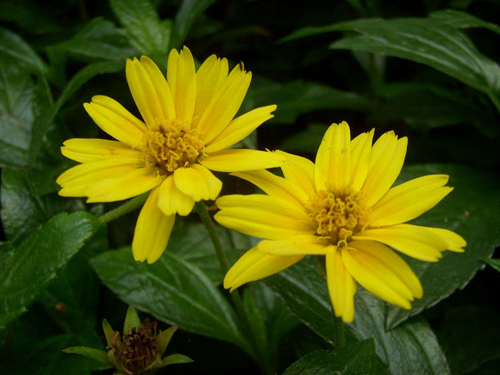
Cultivation and Care Methods and Medicinal and Other Uses of Wedelia trilobata
Wedelia (Wedelia trilobata, also known as South American wedelia) Scientific name: wedeliatrilobata. Common names: Three-lobed wedelia, Dijinhua, Chuandilong (Yunnan), Longguqi. Family and genus: Asteraceae. Morphological characteristics: Perennial herb. Stems creeping, leaves opposite, ovate-lanceolate.
-
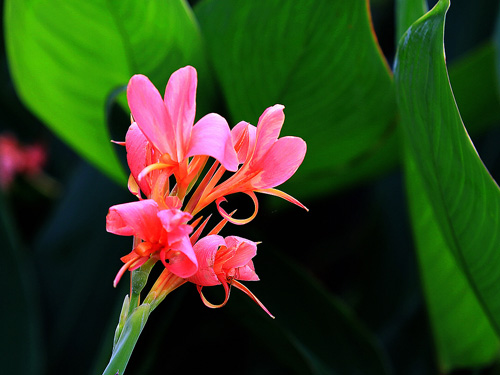
Cultivation and Care Methods for Aquatic Canna (also known as Variegated Canna)
Aquatic Canna (Variegated Canna) Scientific name: Canna glauca. Alternative name: Florida Canna. Family and genus: Cannaceae, Canna genus. Morphological characteristics: Perennial rhizomatous herb, dwarf, plant height 50-80 cm. Has root tubers, leaves broadly elliptical, alternate.
-

How to grow celery seedlings? Detailed explanation of methods and key technical points
How should celery be grown from seed?
-

Detailed explanation of eggplant grafting technology, methods and steps explained clearly in one go
Eggplant grafting technology
-
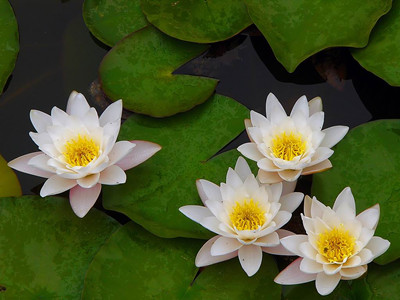
Water Lily Cultivation and Management Methods and Technical Key Points
Beautiful water lilies can be grown not only in ponds but also in pots. For pond cultivation, drain the pond water in early spring, apply base fertilizer, then add fresh pond mud and refill with water. The water should be added in several rounds until fully filled. As new leaves grow, gradually add more water; during the flowering season, the water depth can be maintained at 70-80 cm. In winter, more water should be added
-
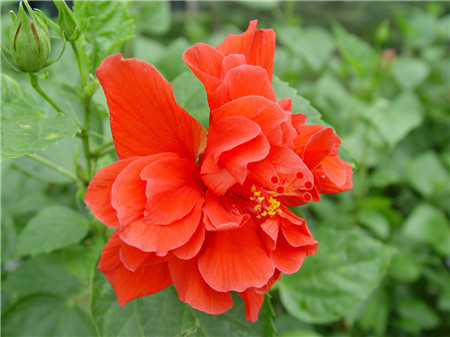
How to grow Chinese hibiscus? Detailed cultivation and management methods
Chinese hibiscus grows vigorously and has a long flowering period, so it needs plenty of nutrients, which means the potting soil must be very fertile. The potting soil mix for cultivating Chinese hibiscus should be prepared in different ratios according to its growth stage. During the growing period, pay attention to fertilizer management. After potting, place it in semi-shade. After 10-15 days of recovery, move it to a spot with plenty of sunlight.
-
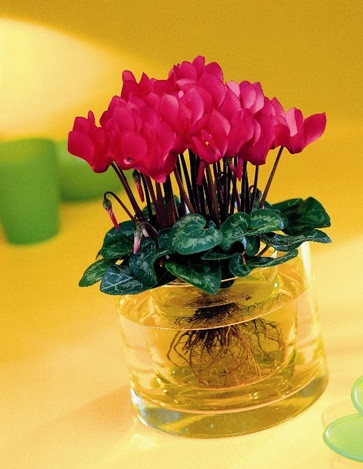
Detailed Explanation of Cyclamen Hydroponic Methods and Steps
Growing cyclamen in water only began to appear in Europe in the last year or two. Because this cultivation method frees cyclamen from traditional flower pots and substrate, it is both clean and attractive, and can give blooming cyclamen plants many cultivation and application forms. As soon as it appeared on the market
-
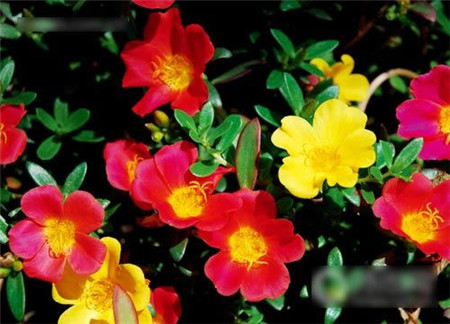
Detailed Explanation of Sunflower Planting Techniques and Methods
Sunflowers (moss rose) are very easy to survive, so their planting technique is very simple. Although simple, the following points should still be noted during the operation of sunflower planting. Sunflower seeds are very tiny, about 8400 seeds per gram, and are often sown in seedling trays, with a very light covering of fine vermiculite
条件筛选