-
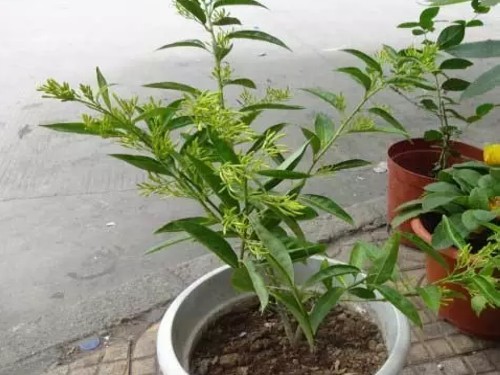
How to grow potted night-blooming jasmine? These methods you need to master
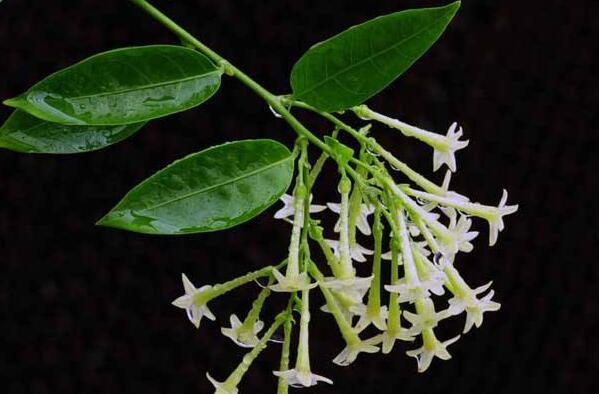
Night-blooming jasmine, also called night-fragrant flower, night-fragrant tree, night lilac, tuberose, night orchid fragrance and so on, is a flowering ornamental plant native to the tropical regions of the Americas. Its branchlets are slender and weak, hairy, with milky sap. Its flowers are mostly yellow-green, with a fresh fragrance that becomes even stronger at night. It is mostly grown as a potted ornamental plant, but it is not suitable for placing indoors, as its floral fragrance makes breathing difficult
-
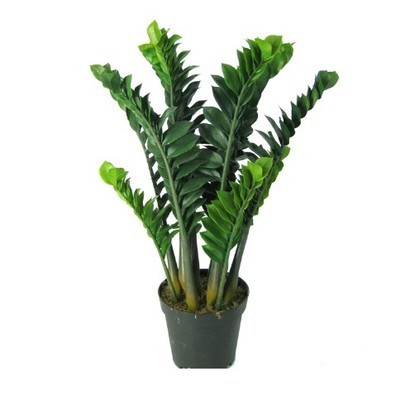
What to Do When ZZ Plant Leaves Turn Yellow? Detailed Guide to Growing Methods and Precautions
ZZ plant (Zamioculcas zamiifolia), a perennial evergreen herbaceous plant, is a rare foliage plant with underground tubers, native to tropical Africa. The ZZ plant is also known as Zamioculcas and golden pine. It has no main stem above ground; adventitious buds sprout from the tubers. The editors at Yiqiwang will now introduce the ZZ plant to everyone.
-
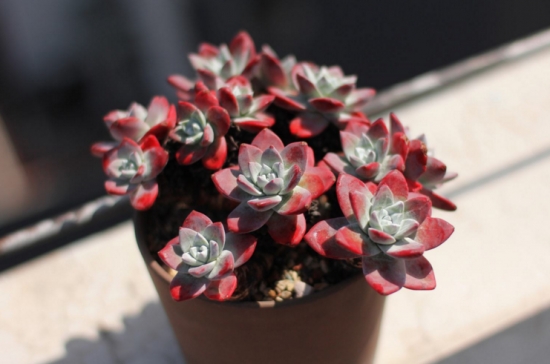
Succulent Seed Sowing Methods: A Detailed Guide to Soil Mix, Germination Rate and Survival Rate
Many succulent enthusiasts have likely had experience sowing succulents themselves, and quite often it does not succeed. There are many factors involved, including the seeds, the substrate, and so on. Below is a summary of some experiences from hobbyists sowing succulents, which is very useful for reference. Succulent sowing experience
-

Potted Night-blooming Jasmine (Cestrum nocturnum) Cultivation Methods and Management Techniques
Night-blooming jasmine is an ornamental plant native to subtropical regions, with a fresh fragrance that is especially stronger at night. Its flowering period is long, blooming continuously from May to October. The flowers can not only be enjoyed for their scent and to repel mosquitoes, but are also edible and medicinal.
-
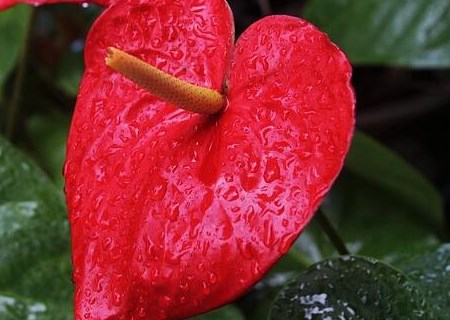
Anthurium seed planting and watering methods, causes of yellowing and drying leaves, and prices
Anthurium, also known as flamingo lily, is a perennial evergreen herbaceous plant of the Araceae family. It prefers warm, humid, semi-shaded environments and dislikes direct sunlight. Anthurium has unique and beautiful flowers with a long blooming period, making it suitable for pot cultivation. So do you know what the seed planting methods for anthurium are? How to water it? What to do when leaves turn yellow and dry up? How much does a pot cost?
-
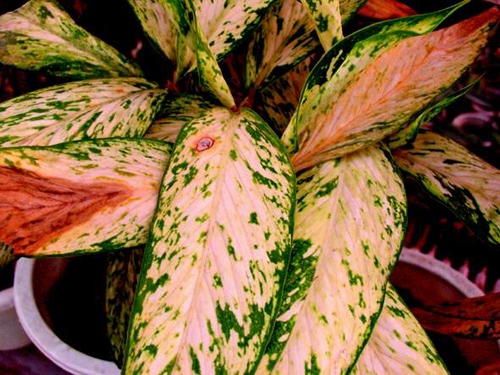
What to Do About Cold Damage in Flowers? Symptom Identification and Prevention Methods
When flowers suffer mild cold damage, herbaceous flowers show discoloration, necrosis and spots on the surface; woody flowers also show bud blight, cracked bark, gum exudation and leaf drop.
-
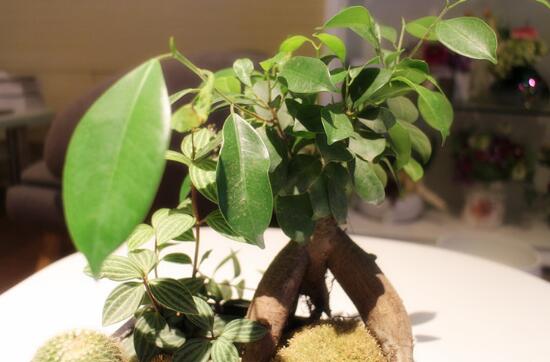
What to do when a Ginseng Ficus gets scale insects? Pest and disease control spraying methods
Ginseng Ficus, a beautiful ornamental plant, has well-developed roots that protrude above the soil surface and are shaped like ginseng, giving it a uniquely striking appearance and making it highly ornamental when grown indoors. Normally, Ginseng Ficus has strong adaptability and is not prone to pests or diseases, but sometimes it can still be threatened by diseases and plagued by pests
-
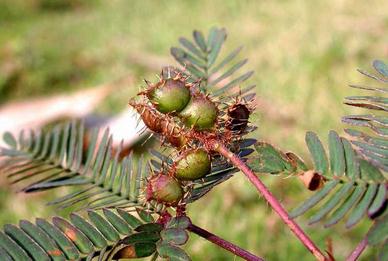
What does the mimosa plant look like, and is it toxic? A complete guide to care methods in one article
Mimosa (Mimosa pudica) is a perennial herb or subshrub in the Fabaceae family. Because its leaves respond to heat and light and close immediately when touched by an external force, it is named mimosa. So what does the mimosa plant look like? Is it toxic? How do you care for it? Let's take a look right away.
-
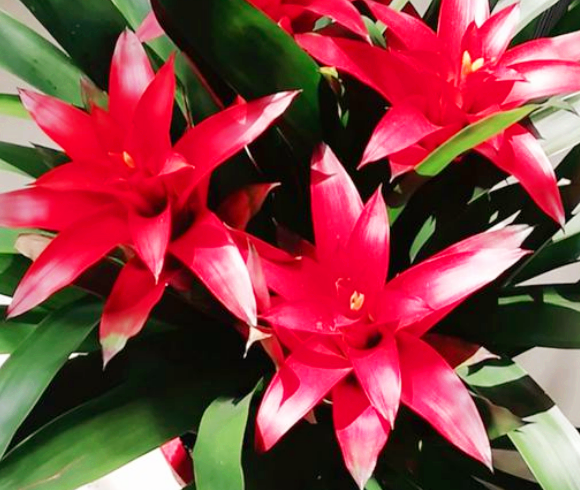
Can Guzmania (Vriesea) Be Kept Indoors? Care Methods and Precautions
Guzmania is an idiom we learned in textbooks as children, carrying the meaning of good luck throughout the year. But actually, Guzmania is also the name of a plant, named because it blooms only once a year, with red flowers growing at the top of the stalk or crown. Because of its auspicious meaning and high ornamental value
-
How many propagation methods does the four o'clock flower have? Master cuttings and turn one pot into ten
Every flowering season, the four o'clock flower (Mirabilis jalapa) produces many beautiful blooms, with fresh colors and a rich fragrance, making it a rare feast for us. However, many flower lovers are not satisfied, because a single pot of four o'clock flowers is too plain, and it is only beautiful when many pots bloom together, and that is when we need to master the propagation methods of the four o'clock flower
条件筛选