-

What are the emergency rescue methods for frozen kits (baby rabbits)?
Causes of kits freezing: one is that the due date was not recorded properly or the doe kindled early for some reason, and the kindling box was not put in place in advance; another cause is that the doe's maternal instinct is weak, and she kindled outside the box; a further cause is that after nursing, when the doe jumps out of the kindling box, individual kits that are not getting enough milk clamp onto the teat and will not let go, so they are dragged out and become frostbitten because the weather is relatively cold. Regardless of the cause, a frostbitten kit must not be left too long; if its heart is still beating, emergency measures will generally succeed. The methods are as follows: 1. Immerse the kit
-
Analysis of the Causes and Handling Methods of Female Mink Eating Their Kits
Every year from June to September is the main stage of growth and development for mink kits. During more than 40 years engaged in mink production, the author has found that some female mink eat their kits. Through investigation, the causes and handling methods of kit-eating are introduced as follows: 1. Poor maternal instinct and vicious habits. Once discovered, the remaining kits should immediately be removed and given to another female mink to nurse. 2. Lack of nutrition and insufficient feed. This is caused by a deficiency of certain nutritional components in the feed, such as insufficient protein content, or by an inadequate amount of feed supplied; sufficient full-price feed should be provided.
-
A Detailed Guide to Scorpion Venom Collection and Processing Methods
I. Scorpion Venom Collection When a scorpion is provoked, out of its instinct for defense or attack, it will release venom from its venom sac. Scorpion venom collection is carried out based on this principle. The commonly used methods for collecting scorpion venom include the tail-cutting method, the artificial stimulation method, and the electrical stimulation method. (1) Tail-cutting method: With one hand, use tweezers to grip both sides of the fifth segment of the scorpion's posterior abdomen; with the other hand, use scissors to cut off the scorpion's tail segment. After crushing it, immerse it in physiological saline to extract the toxic portion. Collect the toxic liquid, place it in a container, and then make it into dried venom powder.
-
Processing Methods and Technical Points for Mandarin Orange Peel Food Products
Mandarin orange peel accounts for about 20% of the total weight of the fruit. In China at present, aside from a small amount used as traditional Chinese medicine, dried tangerine peel, and for extracting essential oils, most of it has not yet been utilized. In fact, mandarin orange peel contains large amounts of vitamin C, carotene, protein, sugars and various trace elements that are beneficial to human health, has high nutritional value, and can be processed into many kinds of health foods or food ingredients, making it an important food resource. Orange peel jam: take mold-free orange peel, wash clean, soak in clean water, then remove and drain, chop and put into a pot with water to soak, bring to a boil over high heat, then switch to low heat
-
What are the control methods for leaf diseases of hot peppers?
The main leaf diseases of hot peppers include anthracnose, brown spot, bacterial leaf spot, and gray leaf spot. These diseases can occur alone or together, among which bacterial leaf spot is more severe, often causing early leaf drop or even complete defoliation, greatly affecting the yield and quality of hot peppers. It is currently the rainy season, and the high-temperature, high-humidity climate conditions favor the occurrence of leaf diseases in hot peppers. Control measures: 1. Agricultural measures: After rain or irrigation, carry out timely intertillage to reduce soil moisture. 2. Use 77% Kocide at 500 times dilution (used alone
-
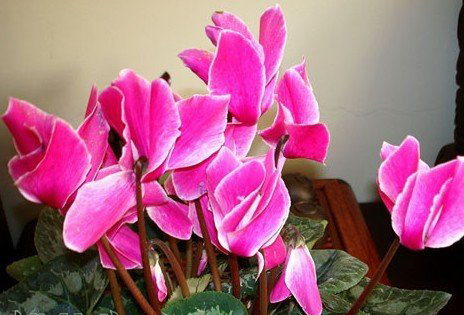
How to rescue wilted flowers and plants? Practical methods shared
When flowers and plants wilt, this is the most headache-inducing problem for growers. There are many causes of wilting in flowers and plants, such as lack of water, lack of fertilizer, lack of light, unsuitable temperature, being unsuited to the pH level contained in the soil, excessive application of chemical fertilizer, infection by a virus, being attacked by pests, damage from toxic gases in the air, and so on
-
What Causes Deformed Lion's Mane Mushrooms? Causes and Prevention Methods
For many years, I have been cultivating lion's mane mushrooms (Hericium erinaceus), and during the cultivation process I have found that some lion's mane mushrooms develop deformities. The causes and prevention methods are summarized as follows: 1. Bald mushrooms without spines. The mushroom body is clustered and branched, with enlarged individuals, a shriveled and rough surface, no spines, loose and crisp flesh, slightly yellow or brown in color, and normal aroma. 1.1 Causes: Mainly due to relatively high temperature and relatively low humidity. Under the condition of 25°C, the fruiting body evaporates too much, and if the humidity is not raised in time, no spines form, resulting in bald mushrooms.
-
Cultivation Methods and Techniques for Belgian Evergreen Azaleas
It is advisable to choose acidic soil for cultivation. You can use garden soil and leaf mold mixed with pond mud or bran cake, pile and compost them before use. If you can collect mountain soil rich in humus from forest valleys, that is even better. The best planting time is winter and spring. Seedlings bought from the market or ordered by mail can be directly potted in early spring. When potting, first place a tile (plastic mesh is also acceptable) at the bottom of the pot, add potting soil, and then plant the seedling. Do not plant too deep; covering 1 cm-2 cm of soil above the roots is sufficient. After planting, water thoroughly immediately, then place it in a shaded area for care. Because Belgian evergreen azaleas are not very
-
Occurrence Patterns and Control Methods of Jujube Fruit Shrink Disease
I. Symptoms and Damage Jujube fruit shrink disease, also known as jujube fruit wilt disease, jujube fog wilt disease, etc., is one of the major diseases in all major jujube-growing regions of China. In jujube fruits affected by fruit shrink disease, yellow-brown irregular discolored spots first appear on the fruit shoulder or body, then the fruit skin becomes water-soaked and earthy yellow with indistinct edges, and later the fruit skin turns dark red, shrinks, and loses its luster. In the diseased area of the flesh, brown spots and earthy yellow softness appear from the outside inward. Diseased fruits taste bitter. The fruit stalk turns brown or dark brown. The entire diseased fruit is shrunken and small, and falls off before maturity.
-
Causes and Control Methods for Short, Thin, and Hollow Scallion Stalks
During production, various factors can cause the scallion stalk to be short, thin, and hollow, thereby reducing the yield and quality of scallions. I. Causes of short, thin, and hollow scallion stalks 1. Variety type Scallions are divided into two types: long-stalk and short-stalk. The length of the scallion stalk is related to the variety, and long-stalk varieties should be used in production. 2. Soil quality and cultivation conditions The selected plot has heavy clay soil, is plowed shallowly and not finely; during the growing period, intertillage and hilling are not timely, and the soil below the roots becomes compacted; planting is shallow, row spacing is small, base fertilizer is insufficient, and topdressing
条件筛选