-
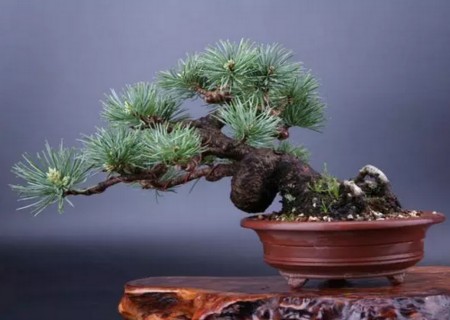
How to Fertilize Five-Needle Pine Bonsai? Detailed Methods and Tips
This tree species is one of the more precious among five-needle pines, generally used as bonsai material, rarely grown in the ground. Five-needle pine has low fertilizer requirements, and fertilization should not be excessive or too concentrated. Too much fertilizer will cause leggy shoot growth and longer needles, detracting from its ornamental value. Five-needle pine is relatively cold-tolerant and shade-tolerant, preferring well-drained, slightly acidic soil
-
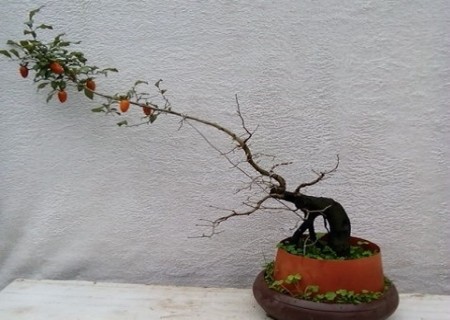
How to prune a Japanese persimmon (Diospyros rhombifolia) bonsai? Detailed methods and techniques
The Japanese persimmon (Diospyros rhombifolia) is a star species in the bonsai world. At exhibitions, it not only earns the approval of bonsai enthusiasts but is also loved by the general public. Apart from tree-form Japanese persimmons, which are mainly grown for their fruit, the Japan Hime Persimmon Association has registered many cultivar names based on fruit color, shape, size, calyx, and the presence or absence of oil-drop spots.
-
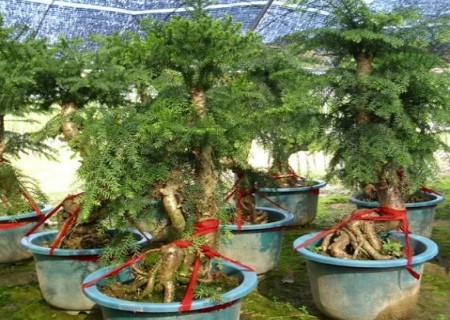
How to propagate the Norfolk Island pine? A detailed guide to common propagation methods
The Norfolk Island pine (Araucaria heterophylla) originates from the southeastern coastal regions of Oceania, such as northern Australia. It is now introduced and cultivated in provinces including Guangdong. Some cities in northern China began introducing Norfolk Island pine bonsai in 2002, and they have grown well. The Norfolk Island pine is a highly ornamental tree species and is rated as one of the world's three major ornamental trees.
-
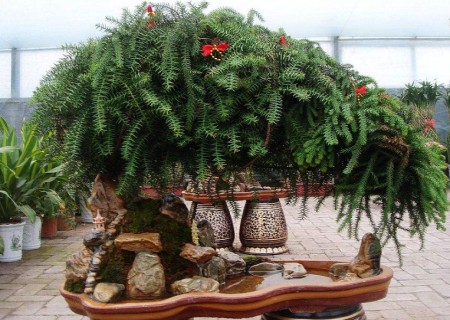
How to prune a Norfolk Island pine bonsai? Detailed methods and techniques
The Norfolk Island pine (Araucaria heterophylla) is a highly ornamental plant with very strong vitality, usually evergreen year-round, and also a great helper for purifying the air, helping humans improve the air environment, so it is often suitable for care indoors in insufficient light and prefers warmth. Large Norfolk Island pine bonsai have a majestic momentum
-
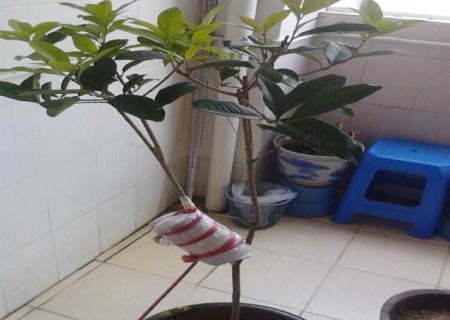
How to Propagate Osmanthus by Layering? A Full Breakdown of Methods and Steps
Layering propagation makes use of the habit of branches rooting when they come into contact with soil: part of a branch or its stem is buried and pressed into the soil to let it root, and it is then separated into an independent plant. Layering is one of the many methods of flower propagation; it involves pressing and burying the lower branches of the mother plant into the soil
-
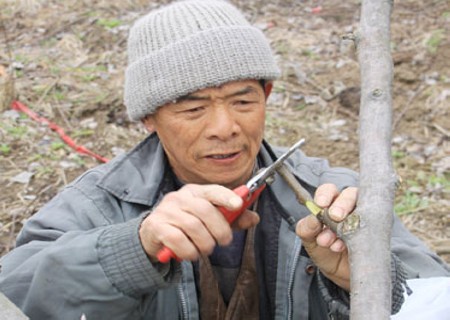
Detailed Explanation of Pear Tree Grafting Methods and Technical Points
Pear tree grafting in July and August mainly refers to bud grafting. First, grafting for pear nursery seedling raising and after rootstock orchard establishment. Second, grafting when renewing varieties. That is, when renewing inferior variety trees with good branching ability in a one-year-old pear orchard, the high bud grafting method is used to change the top. The grafting of pear tree rootstocks uses T-shaped bud grafting
-
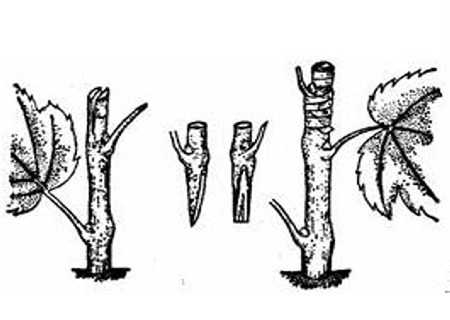
Key Points and Detailed Operation Methods of Softwood Grafting on Pear Trees
Grafting is a propagation method in which a branch or bud from one plant is attached to the branch, trunk or root of another plant so that they form a new plant. The nursery stock produced by grafting is called a grafted seedling. The branch or bud used for grafting is called the scion, and the plant that bears the scion is called the rootstock
-
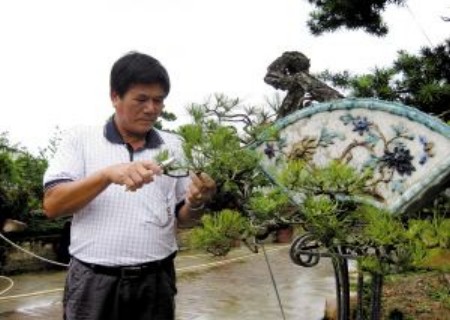
How to Prune and Needle-Control Mountain Pine Bonsai? Detailed Methods and Techniques
Mountain pine, also known as Masson's pine, is a common tree species in the Lingnan region and one of the famous species for making bonsai. Its vigorous, majestic, rugged and ancient-looking trunk, sturdy and upright, evergreen and verdant, is gradually gaining the attention and affection of bonsai enthusiasts. Masters through the ages have often produced outstanding works, and it is deeply welcomed by bonsai lovers. However, its needles tend to be long
-
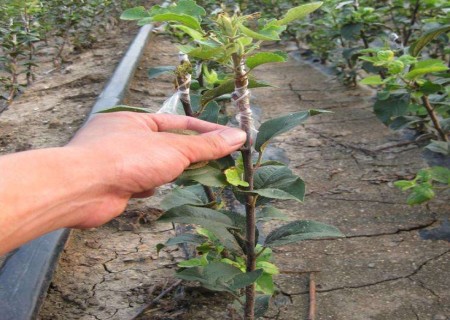
Pear Grafted Seedling Management Methods and Technical Key Points
Transplanted grafted pear seedlings, due to the high density in the sowing nursery, often grow unevenly. It is best to divide and replant the successfully grafted semi-finished seedlings before spring budding in the second year, in order to expand the nutrient area of the young seedlings. At the same time, cutting the root system also solves the problem of the rootstock's main root being too long. After divided replanting,
-
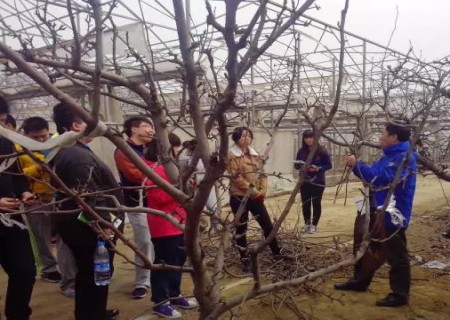
Key Points and Operation Methods of Chip Budding Grafting Technique for Pear Trees
Pear trees, due to the physiological characteristics of the variety or improper management, develop bare legs on the main branches (trunks), ultimately leading to a dense exterior and hollow interior, with fruiting branches becoming weak and shifting outward, ineffective consumption of nutrients, small fruit, poor quality, and low yield. To solve this problem, after several years of practical exploration
条件筛选